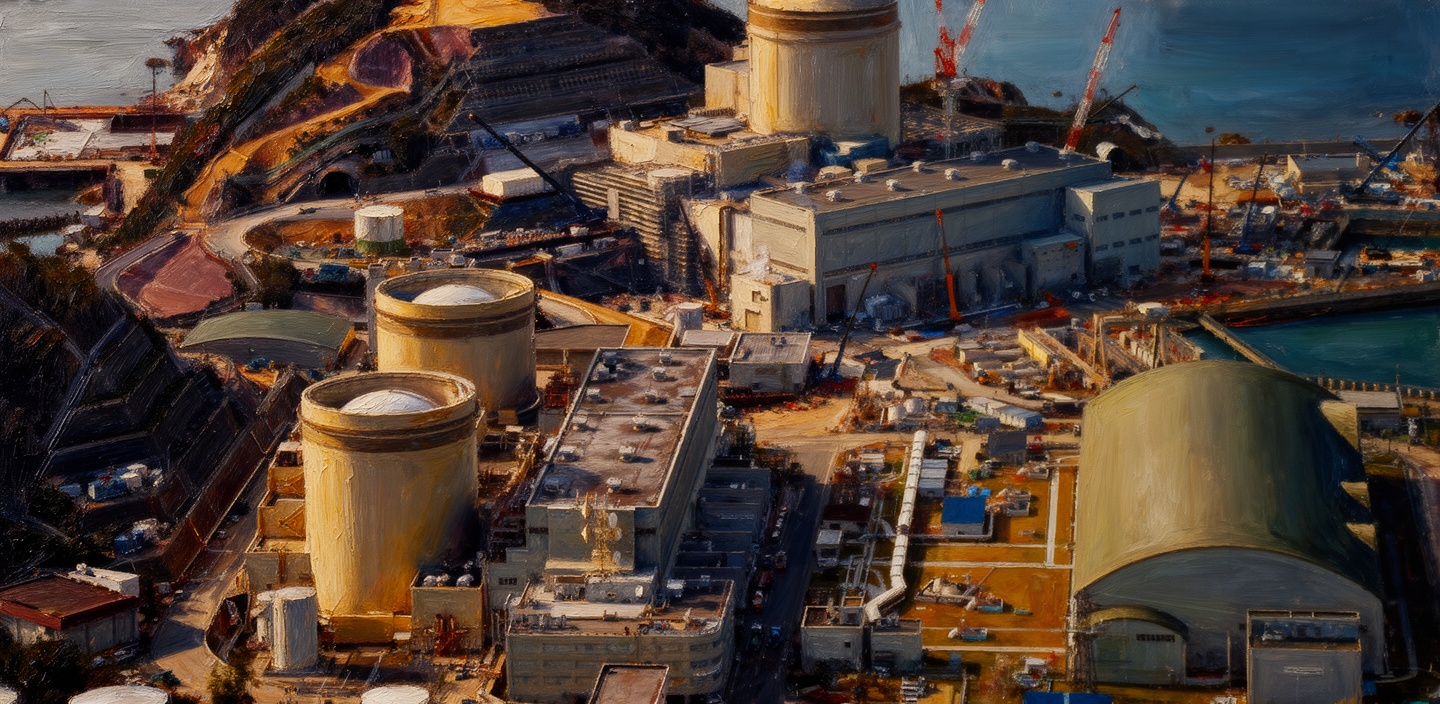
Japan Eases Nuclear Plant Approvals with Counterterrorism Reviews
Japan's decision to expedite nuclear plant approvals could impact regional energy security. By integrating counterterrorism reviews, Japan aims for faster implementation amidst global energy demands.
Japan has initiated a new strategy to expedite the approval process for nuclear power plants by incorporating counterterrorism reviews into the evaluation framework. This decision is driven by the increasing global energy demands and a pressing need to enhance energy security domestically. Utilizing previous reviews effectively will facilitate swift approvals, allowing project developments to proceed more smoothly.
The country’s energy policy has faced scrutiny in the years following the Fukushima disaster, which raised safety and regulatory concerns among the public and international observers. Proponents of nuclear energy argue that it is essential to reduce reliance on fossil fuels while securing a sustainable energy future for Japan. The integration of counterterrorism measures is perceived as a step towards enhancing the overall safety of the nuclear infrastructure.
Japan's nuclear capacity, which has significantly diminished post-Fukushima, has been a topic of intense debate. The government aims to revive this capacity while ensuring that safety protocols are robust. Nuclear plants, once a cornerstone of Japan's energy policy, are now under stringent regulatory measures; hence speeding up the review process could bolster Japan's nuclear output.
Operational details on the revised approval system indicate a streamlined approach to risk assessments, prioritizing national security concerns alongside nuclear safety protocols. This initiative includes both domestic and international security evaluations, which are expected to last no more than three to four months, thus enhancing efficiency in the approval workflow.
The anticipated consequences of this decision could significantly reshape Japan's energy landscape. By speeding up approvals, Japan is poised to restore a degree of energy independence while contributing to its commitments to reduce greenhouse gas emissions. However, potential backlash from public opinion and environmental groups must be navigated carefully as the nation moves forward with its nuclear ambitions.