Ukrainian Military Adapts After Four Years of War
Ukraine’s military is evolving amidst ongoing conflict with Russia, enhancing strategic capabilities. Insights from recent assessments reveal critical adaptations for future engagements.
The ongoing war between Ukraine and Russia has prompted significant shifts in the Ukrainian military’s operational strategies over the past four years. Recent evaluations indicate that the Ukrainian armed forces are increasingly focusing on modernizing their tactics and leveraging advanced technologies to meet evolving threats on the battlefield.
Since the conflict's inception in 2014, Ukraine has had to contend with various challenges, from troop readiness to equipment shortages. However, the Ukrainian military has made substantial strides in reforming its command structures and enhancing training protocols. Collaborations with NATO allies have also played a crucial role in this process, ensuring that Ukrainian forces are well-prepared to face the sophisticated capabilities employed by Russian forces.
Strategically, the adaptations of the Ukrainian military are pivotal for resisting further aggression from Russia. The shift towards asymmetric warfare techniques is intended to exploit vulnerabilities in the enemy's operational methods, aiming to level the playing field despite the numerical and technological advantages that Russia possesses.
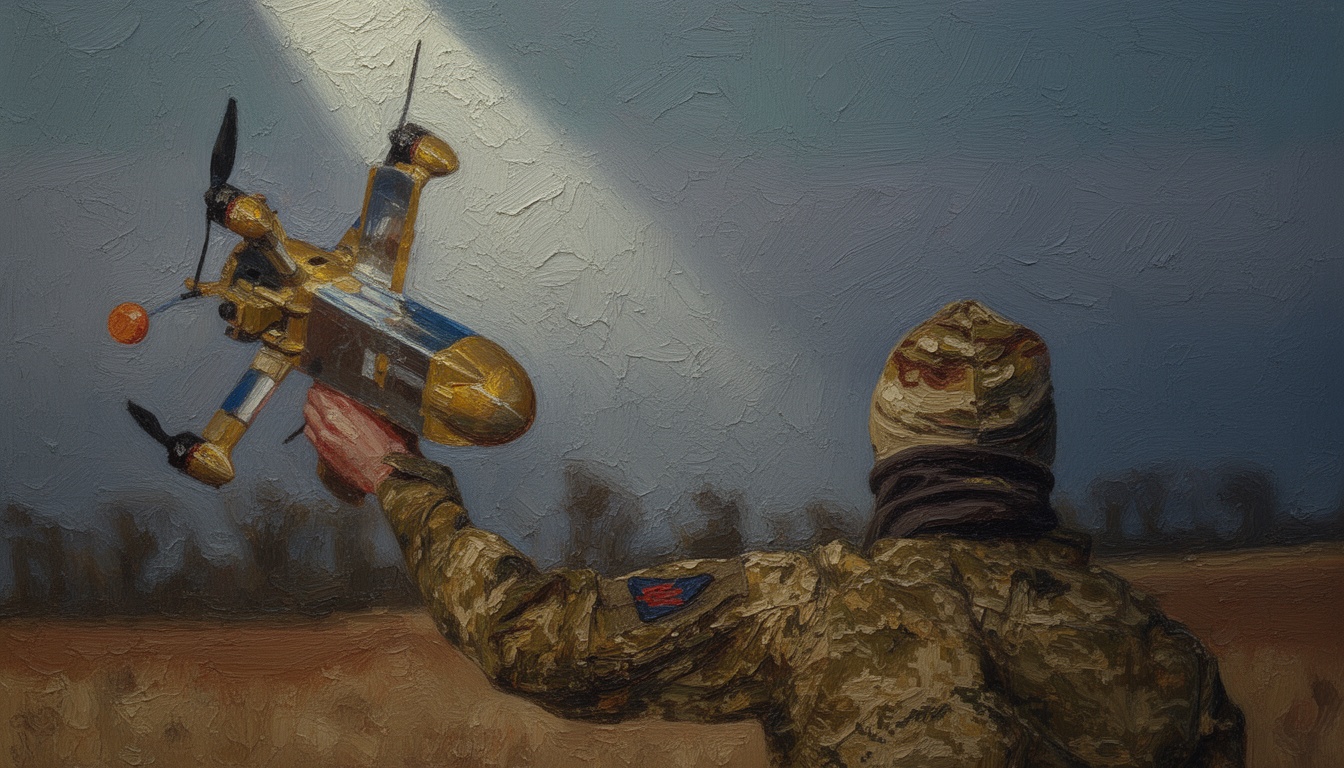
In terms of technological advancements, the Ukrainian military has improved its drone capabilities, integrating UAVs for reconnaissance and targeted strikes. Additionally, increased investment in cyber defense measures reflects a growing awareness of the multifaceted nature of modern warfare, where cyber operations are just as critical as kinetic engagements.
Looking ahead, the evolution of the Ukrainian military signifies broader implications for regional security dynamics in Eastern Europe. Continuous adaptation and alignment with NATO’s defense initiatives will not only bolster Ukraine’s defensive posture but could also reshape the strategic landscape in the face of Russia’s long-term military ambitions.