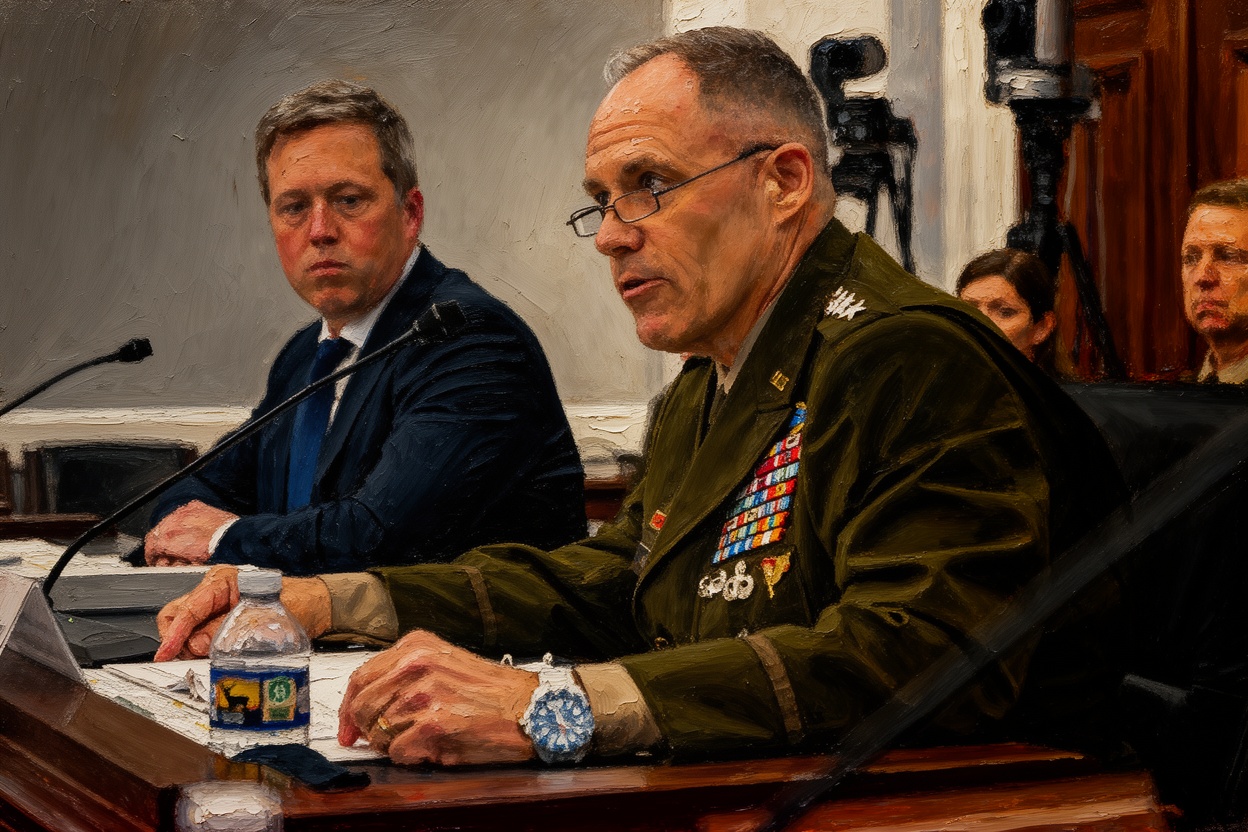
Poland Deployment Cancellation Raises Concerns Among Military Leaders
The cancellation of the Poland deployment has sparked criticism among lawmakers, who argue it sends a negative message to Russia and allies. The timing of the decision is also under scrutiny.
Army leaders are facing intense scrutiny following the cancellation of a planned deployment to Poland. This move, which some lawmakers have dubbed a strategic misstep, has drawn sharp criticism from various corners within the political landscape. Representative Don Bacon from Nebraska has notably expressed that this decision sends a "terrible message" not only to Russia but also to U.S. allies in the region.
Background context indicates that the forces were originally intended to bolster NATO's eastern flank amid increasing tensions from Russia. With heightened concerns surrounding Russia's aggressive actions, including troop buildups near Ukraine, questions have been raised about the implications of abandoning such strategic deployments. Lawmakers emphasize that the order undermines the security assurances that the U.S. has previously extended to its allies in Eastern Europe.
The strategic significance of this cancellation cannot be understated, as it could embolden adversarial powers by signaling a lack of commitment to regional defense. Dependable partnerships are critical to maintaining deterrence against potential aggressors, and any perceived retreat could shift the balance of confidence among allies. As Russia continues to test NATO's resolve, such decisions may have lasting repercussions on collective security arrangements.
Operationally, the cancelled deployment was to include several battalions equipped with advanced weaponry and support equipment. The U.S. Army's 82nd Airborne Division was slated to deploy, showcasing a commitment to conventional determent through rapid-response capabilities. The cancellation not only halts these preparations but also raises concerns about the readiness and participation of U.S. forces in any future multinational operations.
In terms of likely consequences, this decision may lead to a reevaluation of U.S. military posture in Eastern Europe. Allies may seek reassurances about the U.S.'s defense commitments in the face of potential Russian aggression. Overall, the fallout from this critical decision is expected to resonate within military and diplomatic circles, demanding a careful reassessment of U.S. strategic priorities moving forward.