Chinese Scientists Develop Alloy Surviving 2,400 Degrees Celsius
Chinese researchers have created a groundbreaking alloy withstanding extreme heat, crucial for defense and aerospace applications. This development could significantly advance materials used in hypersonic vehicles and nuclear reactors.
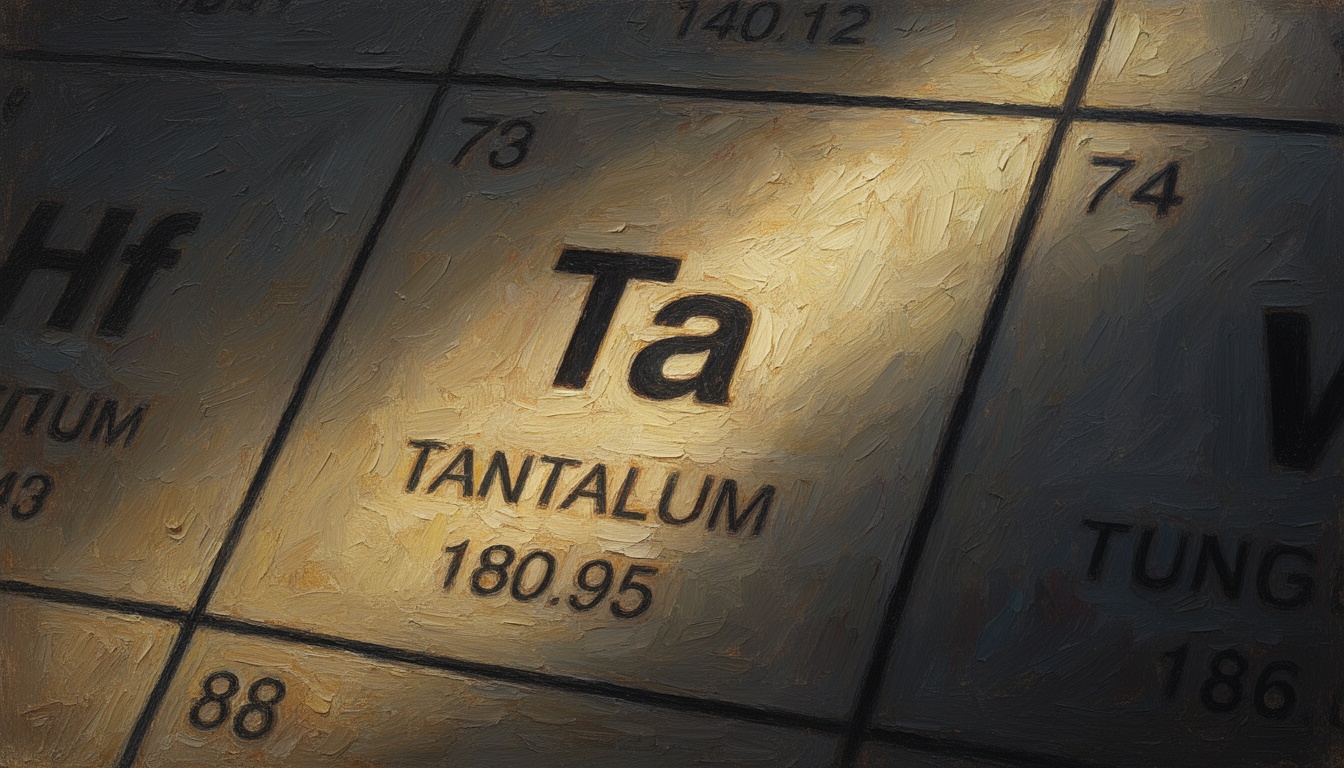
A team of Chinese scientists has reportedly developed an innovative alloy capable of maintaining structural integrity at temperatures reaching 2,400 degrees Celsius. This breakthrough utilizes tantalum, a metal known for its hardness and flexibility, which enhances heat resistance and safety for critical applications.
The necessity for materials that can endure extreme temperatures is paramount in the aerospace, hypersonic vehicle, and nuclear reactor sectors. Traditional metals typically lose their strength at temperatures exceeding 2,000 degrees Celsius, resulting in melting or a disastrous softening effect. The new alloy developed marks a potential shift in overcoming this limitation, allowing for greater advancements in technology and capability.
Strategically, the implications of this alloy extend to military applications, where higher performance materials are vital. The ability to effectively use materials that can withstand such temperatures could revolutionize the development of advanced weaponry and vehicles, enhancing national security measures that rely on sophisticated technology.
This alloy's composition and durability are expected to influence a broad spectrum of industries. The integration of tantalum presents substantial operational benefits, including improved heat resistance and load-bearing capacity. Future testing and application developments are anticipated to verify its effectiveness in real-world conditions.
Overall, the successful creation of this alloy opens avenues for numerous future projects, potentially leading to innovations that could redefine standards across sectors dependent on high-performance materials. As research continues, the lasting impact of this development could be felt in the global defense landscape.