Iranian Strikes Cause Significant Damage in Kuwait's Mangaf
Iranian attacks on multiple locations in Mangaf, Kuwait, raise serious security concerns in the region. The events highlight ongoing tensions between Iran and its neighbors.
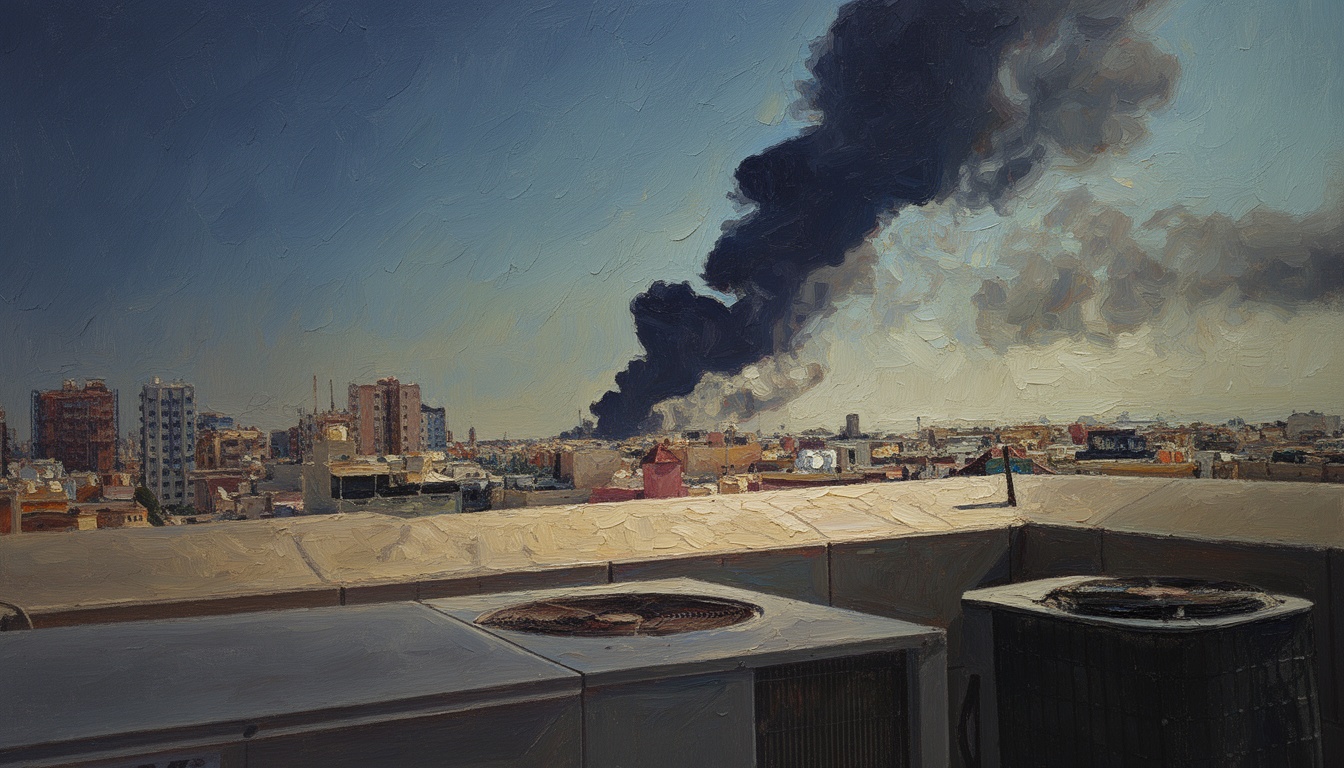
On Wednesday, towering plumes of smoke were observed rising over Mangaf, Kuwait, following a series of Iranian missile strikes targeting various sites. Eyewitnesses reported multiple explosions, indicating significant damage in the area. Although exact casualty figures remain unconfirmed, the scale of the strikes suggests a substantial impact on local infrastructure.
This escalation marks a troubling increase in hostilities emanating from Iran, which has consistently demonstrated its willingness to project military power in the region. The Mangaf strikes are likely part of a broader strategy by Iran to assert its dominance amid ongoing geopolitical tensions. Kuwaiti officials have condemned the strikes, emphasizing their approach towards regional stability and security.
Strategically, these attacks underscore the fragile security environment in the Persian Gulf, where Iranian capabilities are increasingly scrutinized by regional powers and international observers. The potential for a wider conflict remains high, as regional allies rally in support of Kuwaiti sovereignty and security measures.
Operationally, Iran's ability to launch such strikes underscores its ongoing investment in missile technology and precision targeting systems. The Iranian military has been modernizing its arsenal, which could shift the balance of power in the region. Future assessments of the incident will likely focus on the implications for regional defense postures and alliances.
As tensions escalate, the international community faces mounting pressure to address Iranian military actions. The attacks could compel regional nations to enhance their defense capabilities, increasing military cooperation and joint exercises with allies. The situation remains dynamic and will require close monitoring in the coming days.