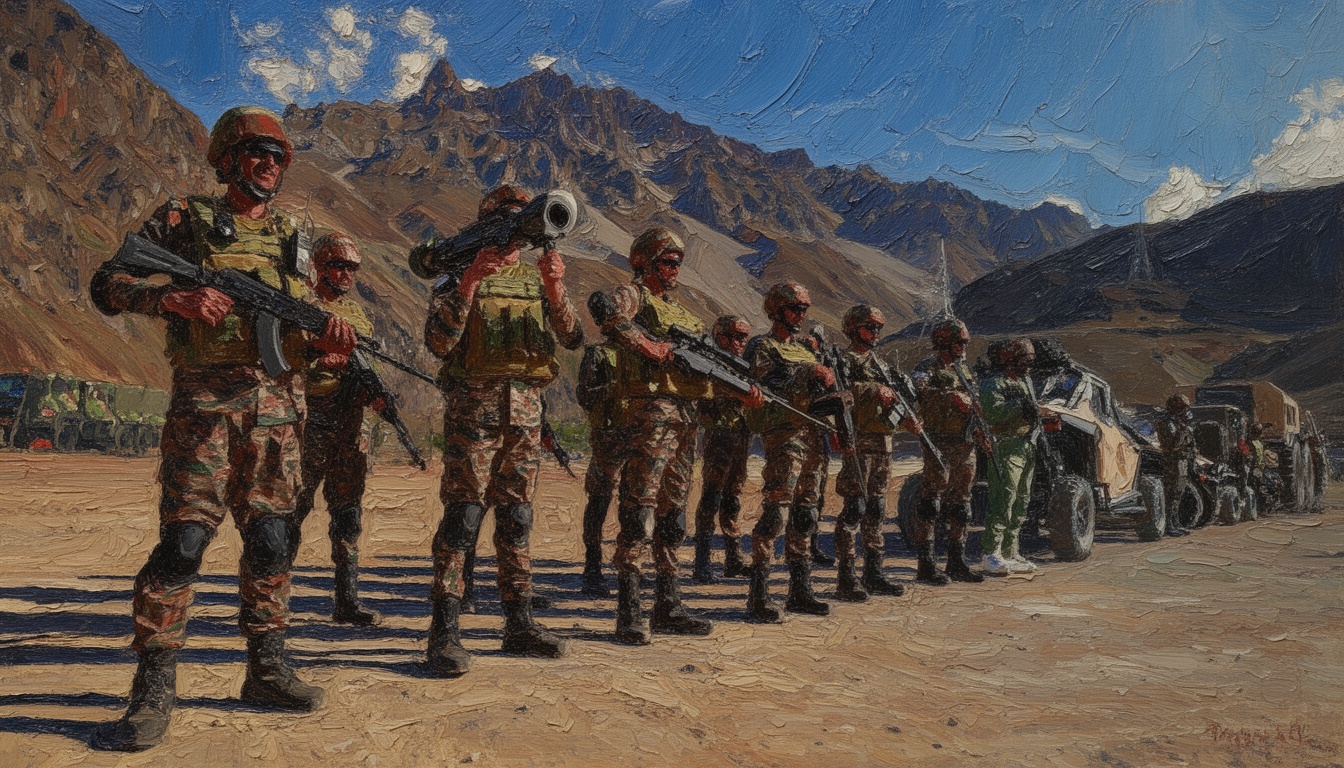
India Strengthens Military Structure Against China and Pakistan
India is undergoing a significant military restructuring to enhance its defense capabilities against China and Pakistan. This strategic shift raises questions about the effectiveness of the Integrated Theatre Commands in addressing simultaneous threats.
India is undertaking its most significant military restructuring since independence, with plans to place the army, navy, and air force under Integrated Theatre Commands. This change aims to enhance operational efficiency and address security concerns posed by neighboring countries China and Pakistan. Analysts are weighing the implications of this move amid the ongoing border tensions in the region.
The proposed Integrated Theatre Commands will oversee specific conflict areas, allowing for a more unified command structure. However, experts highlight the challenges inherent in balancing resources and strategies to confront both Chinese aggression and Pakistani border issues at the same time. Concerns persist regarding whether the Indian military can operate cohesively under this new structure.
Strategically, this reorganization reflects India's response to evolving security threats and the need for a more agile and adaptive military. The initiative indicates a recognition of the complex geopolitical landscape in South Asia, where rapid developments necessitate a robust defense posture. India aims to project strength and deterrence in light of increasing provocations from both China and Pakistan.
Operationally, the restructuring involves integrating capabilities across land, sea, and air forces, enabling quicker and more efficient responses to threats. The shift is expected to lead to closer coordination among branches of the military, building a more cohesive force able to address multiple contingencies. However, the successful implementation of this strategy will require overcoming bureaucratic obstacles and fostering inter-service cooperation.
The likely consequences of this military reform could position India more favorably in the balance of power in South Asia, enhancing its deterrent capabilities. Nonetheless, the challenges of executing an integrated approach remain significant, and how the military adapts to this new command structure will be crucial for its effectiveness in potential future conflicts.