Thailand's Navy Faces Risks Amid Budget Cuts
Thailand's naval capabilities are jeopardized due to significant budget cuts. The strategic importance of the Gulf of Thailand and Andaman Sea highlights the need for modernization and resource allocation.
Thailand's naval forces face severe risks as budget cuts threaten to undermine their operational readiness and capabilities. The Royal Thai Navy is responsible for monitoring two crucial maritime regions: the Gulf of Thailand to the east and the Andaman Sea to the west. Both areas are vital for trade routes, energy resources, and regional security, making the navy's role critical despite its relatively low profile in global military discussions.
Historically, Thailand's geography has necessitated a robust naval presence to ensure security and stability across its lengthy coastline and busy shipping lanes. The Gulf of Thailand is marked by lucrative offshore energy interests and significant shipping traffic, which require vigilant oversight to protect these economic lifelines. Simultaneously, the Andaman Sea serves as a key gateway to the Indian Ocean, further increasing the strategic importance of Thai naval capabilities.
The Royal Thai Navy's stated objective, described in a recent white paper published in 2023, emphasizes the need for modernization and enhancement of its maritime fleet. However, persistent budget constraints hinder these plans and could lead to a widening capability gap compared to neighboring naval forces throughout the region. Without appropriate funding, the navy may struggle to maintain its readiness and ability to respond effectively to emerging maritime threats.
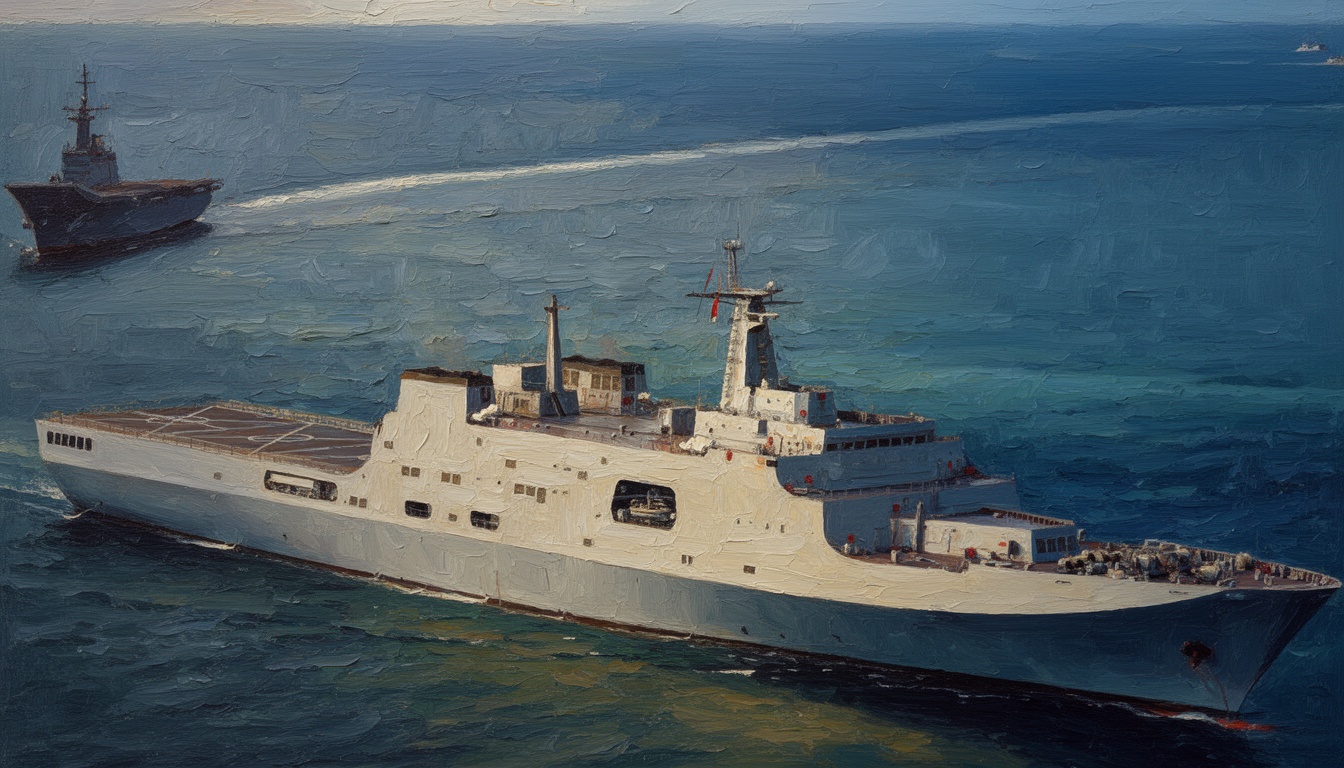
In terms of operational capability, Thailand's naval forces consist of various vessel types, including frigates, corvettes, and support ships. Moving forward, the navy's modernization efforts will likely require acquiring advanced platforms and systems to enhance interoperability and deterrence potential. The directed focus on two distinct maritime theatres emphasizes the urgency for Thailand to secure adequate funding and resources to uphold its naval commitments.
The consequences of falling behind could be significant as regional tensions escalate and competition for maritime resources intensifies. The Royal Thai Navy must act decisively to ensure it does not compromise its strategic position in two pivotal seas. Failure to address these budgetary challenges may result in decreased security and increased vulnerability to threats in the future.