Trump to Discuss Strait of Hormuz Demining Efforts at G7
US President's plans for Strait demining indicate rising regional tensions. Key allies like Britain and France may play a role in stabilization efforts.
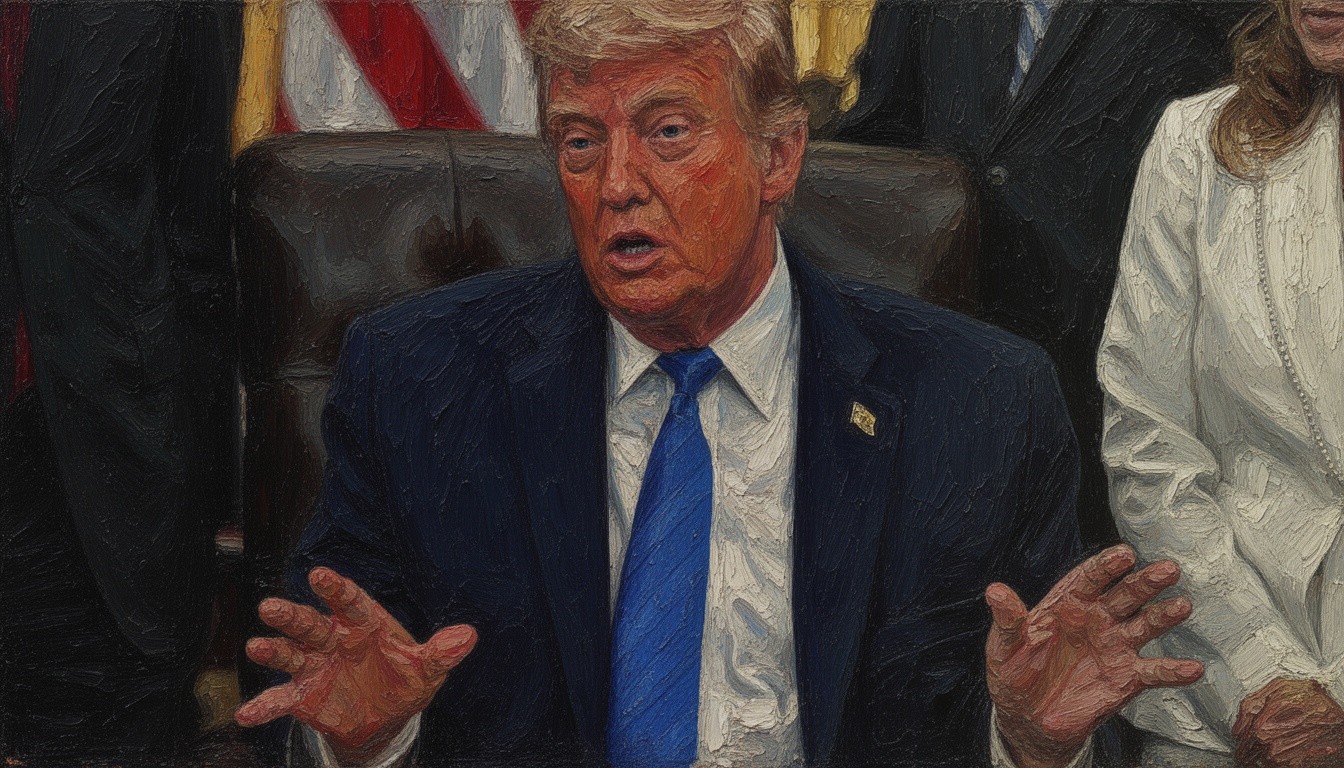
US President Donald Trump is expected to address the critical issue of demine efforts in the Strait of Hormuz during the upcoming Group of Seven (G7) summit in France. According to a senior US administration official, the discussion highlights America's commitment to enhancing maritime security in one of the world's vital chokepoints for oil transport. This summit, scheduled for next week, is poised to tackle several pressing international security challenges, underscoring the strategic significance of the Hormuz Strait.
The Strait of Hormuz has become a focal point of geopolitical tensions, particularly between Iran and the US, with several incidents reportedly escalating threats to maritime security. Britain and France, both prominent G7 members, have shown interest in supporting demining operations should there be a pause in regional conflicts, indicating their willingness to enhance collaboration in ensuring a secure passage through the Strait. Such actions reflect a broader strategy of collective defense among allies faced with the ongoing instability in the region.
The strategic implications of a successful demining initiative in the Strait of Hormuz cannot be understated. This waterway is pivotal for global oil shipments, with around 20% of the world's oil passing through its narrow channels. The involvement of key Western allies in demining operations would not only facilitate smoother maritime trade but also serve to stabilize a region beset with historical tensions and conflicts. Enhanced maritime security would be a critical deterrent against potential Iranian aggression.
In terms of operational details, the specifics of the proposed demine operations are yet to be finalized. However, potential deployment of naval assets from the UK and France to assist in this undertaking could be on the table, complementing the US Navy's already significant presence in the region. This collaboration may also include intelligence-sharing to assess threats and coordinate responses effectively, given the complexities of ensuring safety in contested waters.
Looking ahead, the discussions at the G7 summit are likely to signal a shift in diplomatic approaches towards the Strait of Hormuz. A concerted effort to de-escalate tensions and ensure free passage could pave the way for broader stability initiatives in the Middle East. If successful, these discussions could evolve into a unified coalition focused not just on immediate safety, but also on long-term peace and security frameworks within the region.