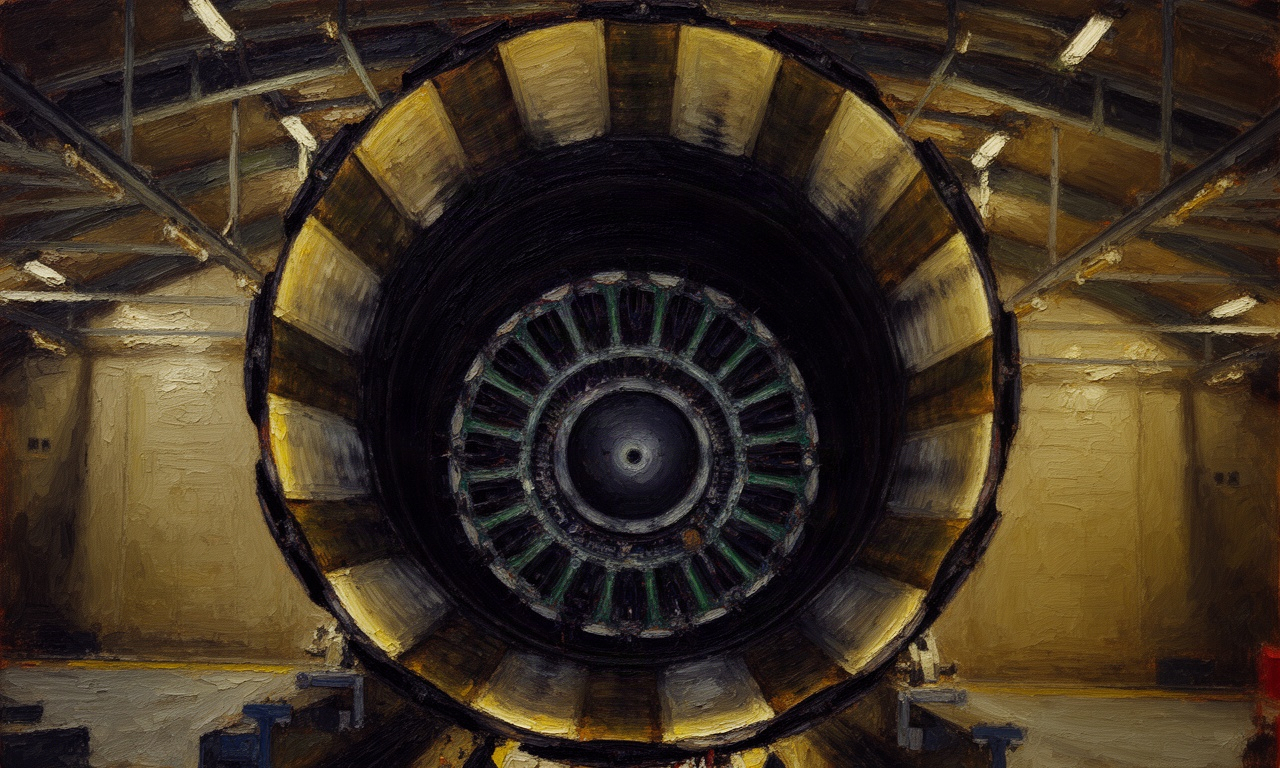
US Air Force Faces Jet Engine Production Challenges
The U.S. Air Force is experiencing significant delays in jet engine manufacturing due to quality control issues and material shortages, impacting operational readiness.
The U.S. Air Force has reported facing major challenges in jet engine manufacturing that could hinder its operational capabilities. Key issues include production delays, persistent quality control problems, and shortages of essential materials. These challenges are jeopardizing crucial repairs and the procurement of new aircraft engines, essential for maintaining air superiority.
The operational readiness of the U.S. Air Force is at risk as these manufacturing issues unfold. The inability to swiftly produce reliable jet engines could have cascading effects on mission support and fighter jet deployments. Quality assurance is paramount, yet lapses in production oversight have prompted internal reviews and adjustments.
Strategically, the implications of manufacturing delays extend beyond the immediate needs of the Air Force. The U.S. military relies heavily on advanced technology and quick turnaround times in a rapidly changing global security environment. An efficient production line is crucial in ensuring that American forces can respond promptly to emerging threats.
Specific details remain scarce, but the Air Force’s admission of material shortages points to potential vulnerabilities in its supply chain. These shortages could stem from geopolitical factors, including trade restrictions or disruptions from global suppliers, further complicating the manufacturing landscape.
As these challenges persist, measures to address production efficiency must be accelerated. Without effective solutions, the U.S. Air Force may face extended timelines for operational upgrades and increased reliance on aging aircraft, raising concerns over air readiness and defense competency.