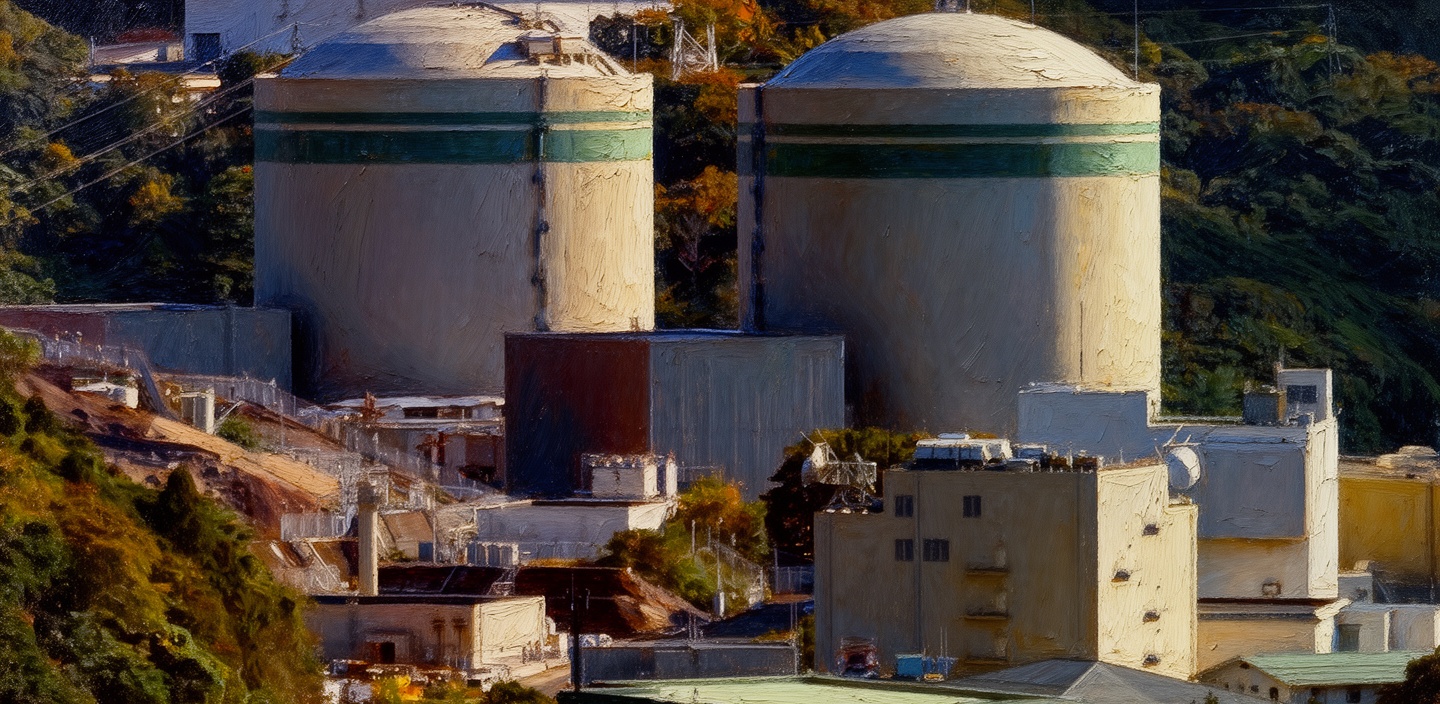
Japan Struggles to Replace Nuclear Reactors Amid Worker Shortage
Japan faces a significant challenge in replacing aging nuclear reactors due to a critical shortage of skilled labor. This situation poses a risk to the country's energy security and technological advancements in the nuclear sector.
Japan is currently grappling with a pressing issue as it endeavors to replace its aging nuclear reactors. The government's energy agency reported that the project is being severely hampered by a shortage of skilled workers necessary for construction and maintenance tasks. This delays not only the replacement process but also raises concerns over the stability of Japan's energy supply.
Following the Fukushima disaster in 2011, Japan has been seeking to revitalize its nuclear energy sector, which has historically been a significant part of its energy landscape. The program aims to replace older reactors with safer, modern designs. However, the lack of a skilled workforce to undertake these complex tasks is threatening to derail these efforts, leaving Japan reliant on fossil fuels for longer periods.
The strategic significance of this challenge cannot be overstated. As a leading industrial power, Japan's ability to maintain energy independence through nuclear power is critical for its economic stability and national security. Failure to address this worker shortage could mean greater vulnerability to global energy market fluctuations and supply uncertainties, impacting both domestic consumers and international partners.
Details reveal that the government has initiated various training programs to cultivate new talent in the nuclear sector. However, these efforts could take years to bear fruit, as facilitating the necessary expertise for these high-stakes roles is a significant undertaking. Current reactors require not just mechanical skills but also a deep understanding of safety regulations and state-of-the-art technology.
In conclusion, Japan's race to modernize its nuclear fleet amidst a labor shortage represents a pivotal moment for the nation. If unresolved, this problem may impede its energy transition goals and provoke a reliance on less sustainable energy sources, altering the balance of its energy strategy for years to come.