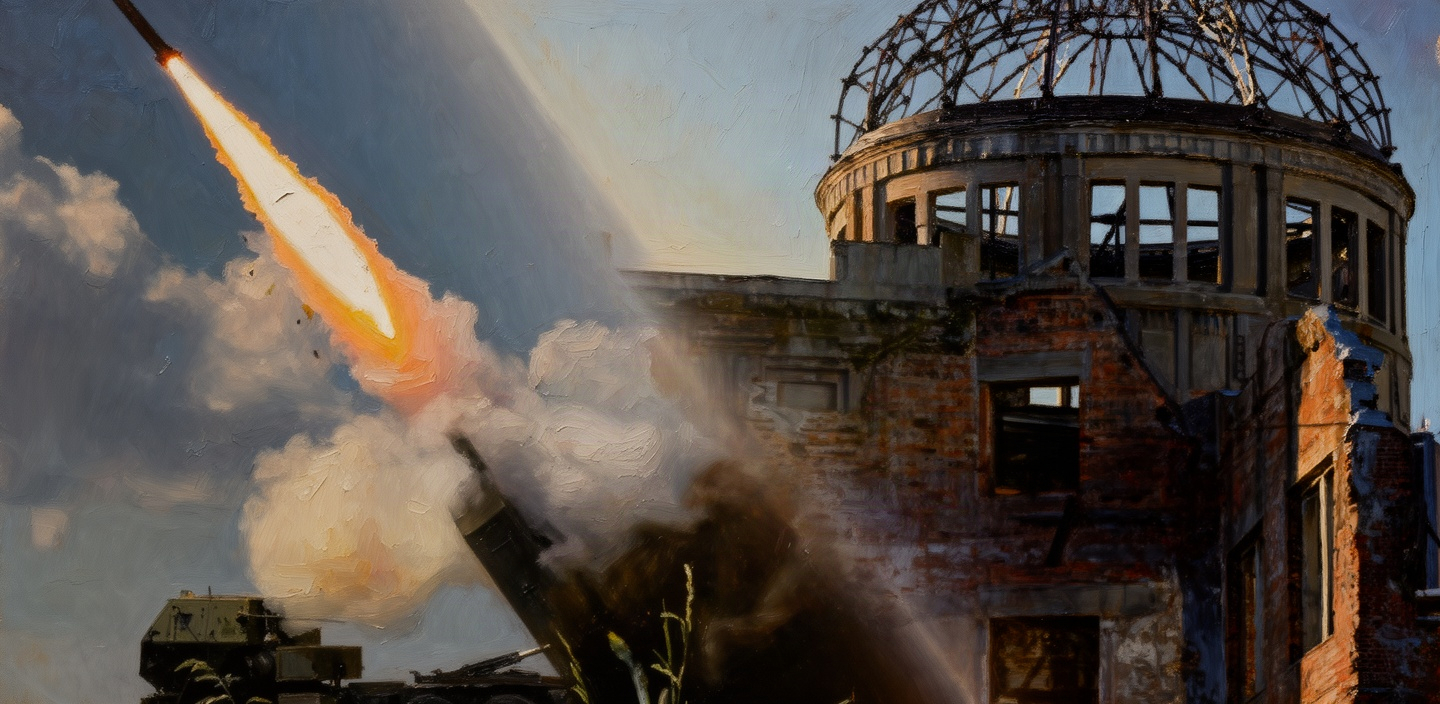
Nuclear Arms Makers See 30% Financing Increase Amid Geopolitical Risks
Rising geopolitical tensions have led to a significant boost in financing for nuclear arms manufacturers, reflecting an increased global focus on military capabilities. This trend indicates a worrying prioritization of nuclear weapons amidst ongoing global instability.
Nuclear arms manufacturers have reported a dramatic increase in financing, with an astonishing 30% rise confirmed for the fiscal year 2023. This surge is attributed to heightened geopolitical risks, including ongoing conflicts and exacerbating tensions between major powers. Countries are increasingly viewing nuclear capabilities as essential to their national security strategies, leading to investments from both private and state actors in the defense sector.
Historically, fluctuations in defense spending have been tied to international relations, with heightened tensions often prompting nations to bolster their military capabilities. The recent conflicts in Eastern Europe and the Indo-Pacific region have intensified these risks. Analysts have noted that as countries such as Russia and China expand their military arsenals, rivals may feel pressured to respond in kind, further driving investments in nuclear technologies.
The strategic implications of this funding surge are significant. Increased investments in nuclear arms could lead to an arms race reminiscent of the Cold War era, where nations prioritized deterrence over diplomacy. As seen with nations like North Korea and Iran, the pursuit of nuclear weapons can destabilize entire regions, raising alarms among international security organizations and policymakers.
Key financial players in recent rounds of funding include major defense contractors and private equity firms, who are increasingly willing to invest in projects related to thermonuclear weapons and advanced missile systems. Notably, companies specializing in missile defense technologies and nuclear submarines have reported new contracts valued in billions, reflecting a disturbing trend towards prioritizing offensive capabilities.
The long-term consequences of this trend could reshape global security architectures. As nations continue to ramp up funding for nuclear capabilities, the potential for miscalculations or accidents increases. Experts warn that without effective arms control agreements and diplomatic engagements, the world could find itself on a precarious edge, balancing between deterrence and a potential catastrophic conflict.