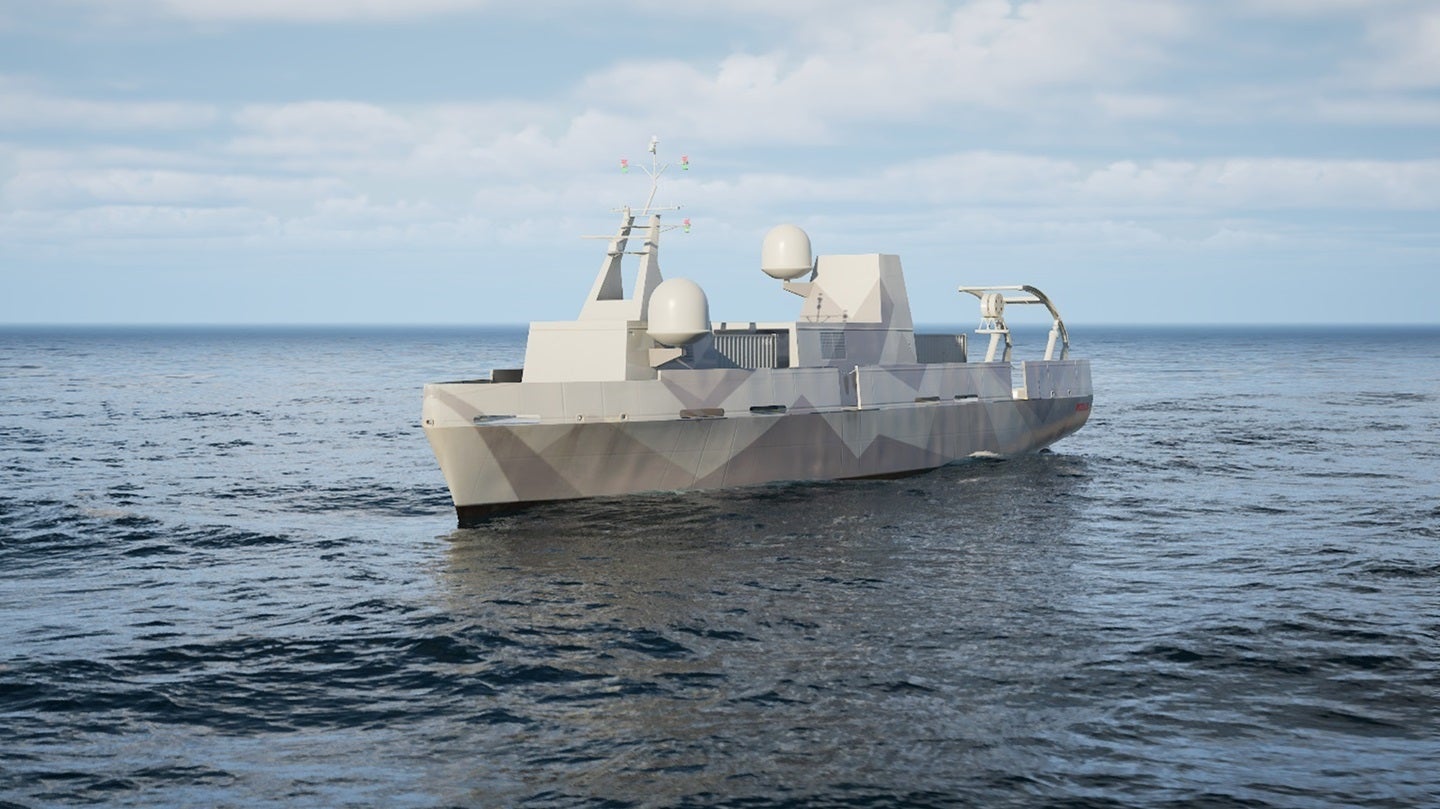
UK Cancels Type 83 for Type 9X Uncrewed Systems
The UK Government has shifted focus from the Type 83 destroyers to the Type 9X uncrewed systems, impacting key defense timelines.
The UK Government has officially cancelled its plans for the Type 83 air defense destroyers, redirecting its efforts toward the Type 9X family of uncrewed systems. This decision signifies a substantial shift in the UK's naval strategy, prioritizing technology that enhances operational flexibility and reduces crewed vessel dependency.
The Type 83 destroyers were originally slated to reinforce the UK's air defense capabilities, yet the government has opted instead to invest in the Type 9X design. The Type 9X aims to integrate various unmanned platforms, enhancing situational awareness and operational efficiency in maritime operations. The rescheduling of the UK Maritime Uncrewed Systems Vehicle (MUSV) testbed timeline now aligns with this new focus, raising concerns about potential gaps in air defense during the transition.
Strategically, this pivot reflects the UK's acknowledgment of the changing nature of modern warfare, where unmanned systems are becoming increasingly pivotal. Integrating these systems into the Royal Navy’s fleet will likely enhance the UK's deterrence capabilities and operational readiness in a complex security environment.
The Type 9X family, equipped with advanced sensor and communication systems, aims to improve interoperability among allied forces. This includes a range of operations, from surveillance to logistical support. The exact specifications are still under discussion, but the focus will be on modular designs that can quickly adapt to mission requirements.
Looking ahead, this policy shift indicates a trend towards automation and unmanned systems in naval warfare. The UK’s commitment to the Type 9X and the resulting implications for air defense could lead to strategic partnerships with other nations investing in similar technologies, impacting regional security dynamics.