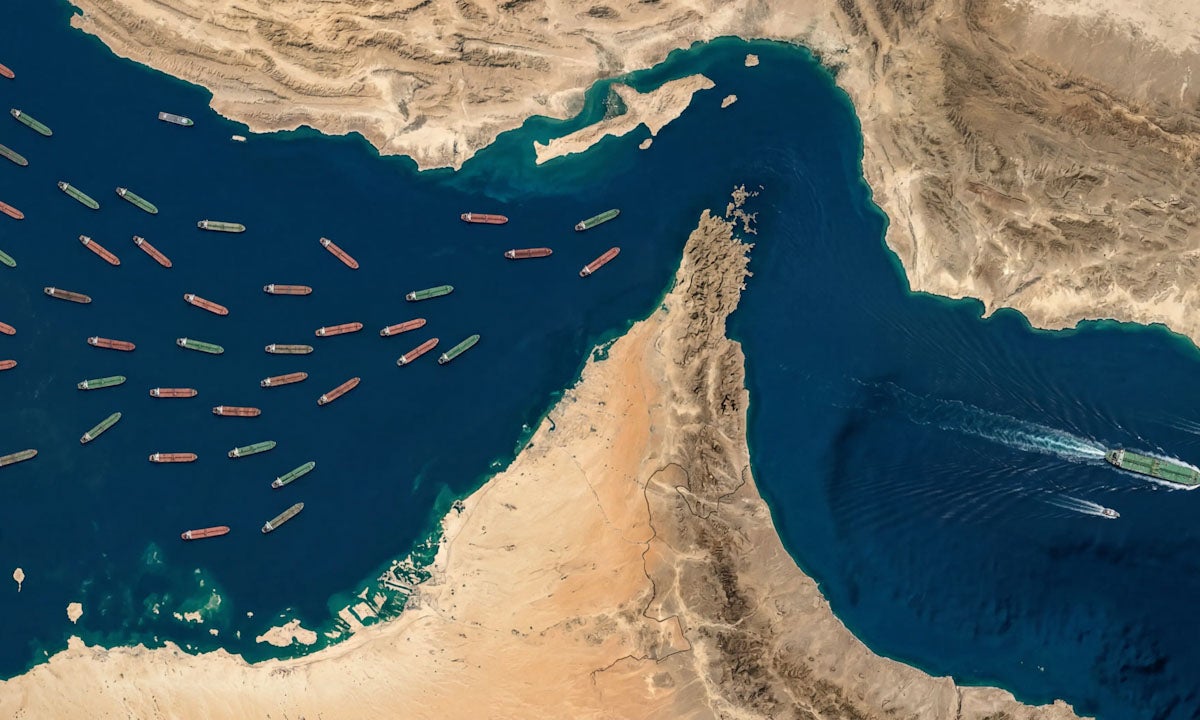
Iran Conflict Triggers Global Oil Price Volatility
The ongoing conflict involving Iran is causing significant fluctuations in global oil prices, impacting international markets and security dynamics.
The conflict involving Iran has escalated, leading to immediate repercussions in the global oil market. Recent reports indicate that oil prices surged by over 5% in a single day due to geopolitical tensions. This volatility poses risks not only to energy security but also to global economic stability, as nations dependent on oil imports face increased costs and potential supply disruptions.
Historically, Iran's geopolitical strategies and conflicts have influenced oil supply across the Middle East. Sanctions and military engagements have previously destabilized oil markets, causing the Organization of the Petroleum Exporting Countries (OPEC) to adjust production levels frequently. The current tensions appear to mirror these past incidents, where military actions have led to immediate spikes in oil prices, raising alarm among economists and policymakers.
The strategic significance of these developments cannot be overstated. With countries like Saudi Arabia maintaining their production levels and the United States monitoring the situation closely, the balance of power in the Middle East remains precarious. The fluctuating oil prices have broad implications for global energy strategies and can impact military logistics for various nations dependent on fuel supplies.
Technical assessments show that the Brent crude benchmark stood at $90.50 per barrel as tensions escalated, raising concerns that prices could approach $100 if the conflict intensifies. Analysts predict that sustained volatility could prompt OPEC to consider further production cuts or increases in response to shifting demand across global markets.
In summary, the ongoing conflict in Iran and the resulting oil price spikes are likely to cause lasting ramifications for the global economy and energy security. Nations will need to adapt quickly to these shifts to mitigate negative impacts, requiring strategic foresight in their energy policies and military logistics considerations as tensions escalate further.