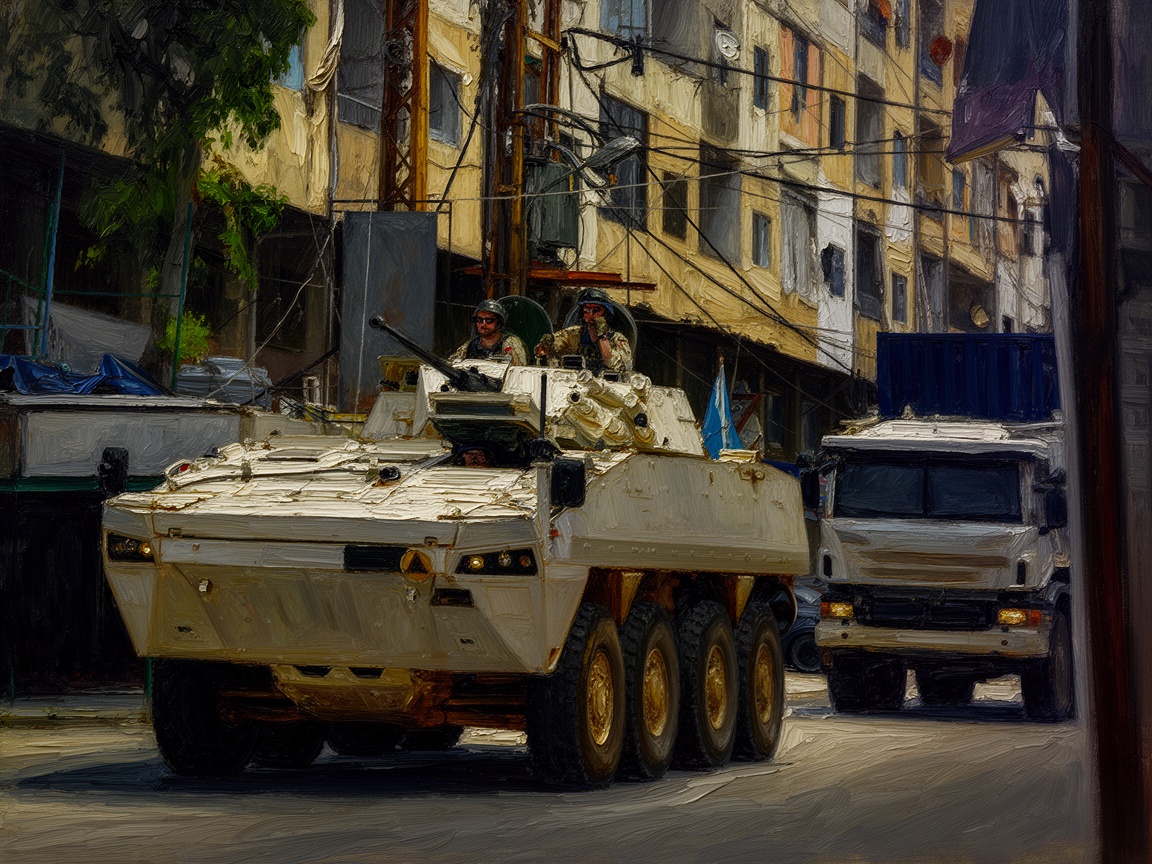
China Demands UNIFIL Stay Amid Escalating Israel-Hezbollah Conflict
China is pressing for the United Nations Interim Force in Lebanon (UNIFIL) to remain in its position as violence intensifies between Israel and Hezbollah. The increased casualties have raised concerns about stability in the region.
China has called for a reversal of the United Nations Interim Force in Lebanon's (UNIFIL) potential withdrawal amid escalating hostilities between Israeli forces and Hezbollah militants. Reports indicate that UNIFIL has experienced a significant increase in casualties recently, raising alarms about the mission's sustainability in such an increasingly dangerous environment.
The UNIFIL mission, established in 1978 to monitor the cessation of hostilities and assist in restoring peace and security in southern Lebanon, has become increasingly critical in light of the renewed violence. As Israel conducts operations against Hezbollah targets, the peacekeeping force has found itself in the crossfire, resulting in multiple casualties among its personnel.
The strategic significance of UNIFIL's continued presence cannot be overstated. With rising tensions in not just Lebanon, but throughout the region, China's insistence on maintaining UNIFIL’s mandate underscores the urgency of preserving a stabilizing force. If UNIFIL were to withdraw, the potential for further escalation would likely increase significantly, posing a threat to regional peace and security.
Technical details about the UNIFIL's current deployment reveal that approximately 10,000 peacekeepers are operating in Lebanon, a number that has remained relatively stable despite the growing dangers posed by local militant groups like Hezbollah. As the Israeli-Hezbollah conflict shows no signs of abating, the international community is closely monitoring developments to ascertain the fate of UNIFIL.
Ultimately, China's demand reflects a broader concern about international peacekeeping missions in conflict regions. The potential withdrawal of UNIFIL not only weakens the immediate peace efforts but may also set a precarious precedent for similar missions globally, endangering future stability initiatives and emboldening militant factions.