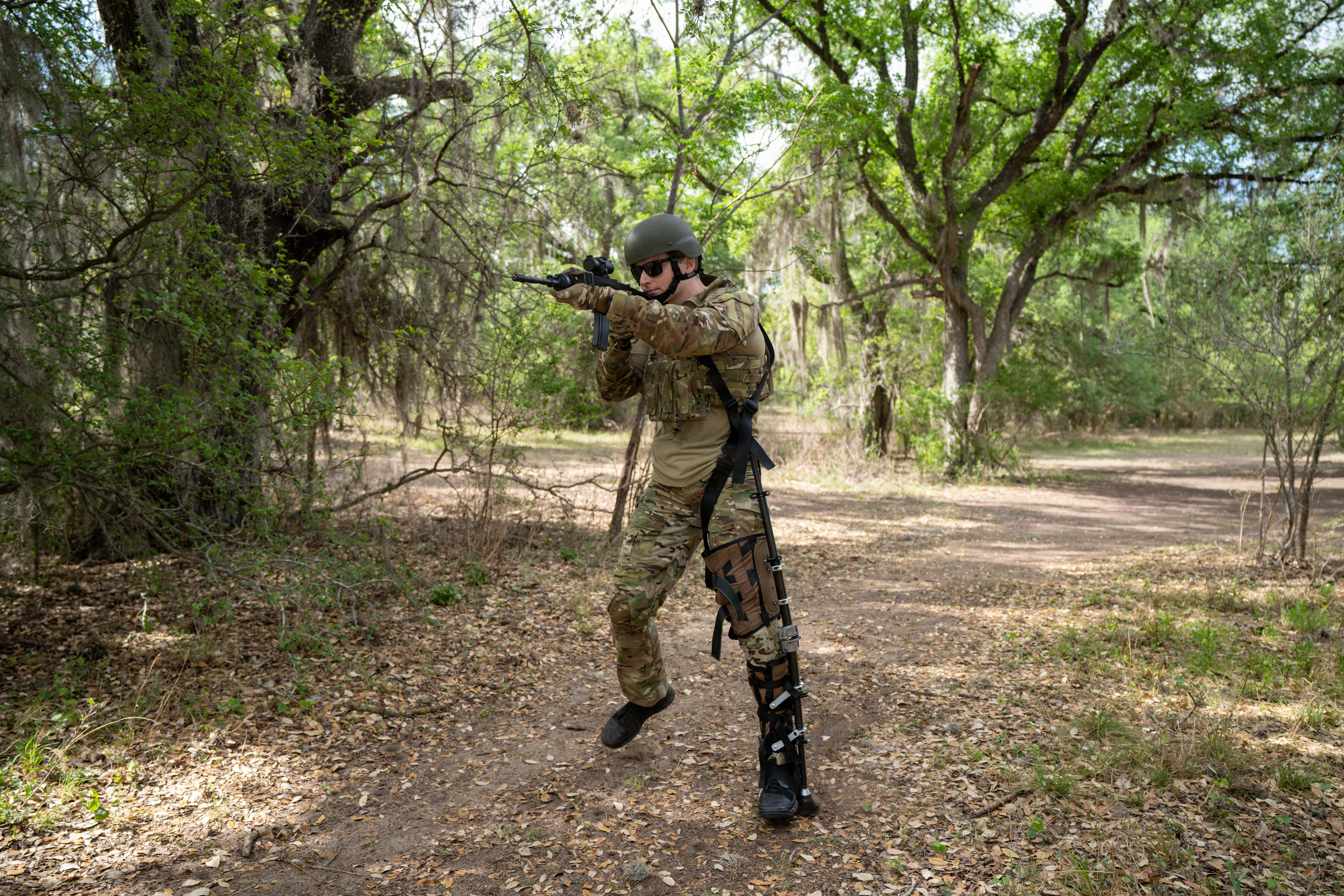
Army Develops Exoskeleton for Battlefield Injuries
The development of a new exoskeleton could enhance battlefield survivability for injured soldiers, enabling mobility and combat capabilities. This innovation addresses critical evacuation challenges in military operations.
The United States Army is developing an advanced exoskeleton designed specifically for soldiers suffering from lower-limb injuries during combat. This breakthrough technology aims to allow injured troops to stand, walk, and even fire their weapons when evacuation is either impossible or significantly delayed. By enhancing mobility in such critical conditions, the exoskeleton is anticipated to play a vital role in preserving the lives of soldiers while providing additional tactical options during engagements.
Historically, injuries to lower-limb extremities have been among the most common and debilitating for soldiers in the field, often leading to prolonged incapacitation and increased mortality when evacuation cannot be achieved promptly. The introduction of this exoskeleton could transform the military approach to managing battlefield injuries, enabling injured personnel to maintain combat capabilities and mobility until they can be safely evacuated or treated.
From a strategic perspective, this development reflects a significant advancement in military medicine and technology, aligning with broader goals of enhancing soldier survivability and operational effectiveness. Should this exoskeleton be successfully integrated into Army operations, it may set new standards for battlefield readiness and enhance the overall combat effectiveness of U.S. forces under dire circumstances.
The technical specifications of the exoskeleton have not been fully disclosed, but reports suggest it incorporates lightweight materials and advanced robotics to ensure that soldiers can operate it without being impeded. This design aims to facilitate ease of movement while providing necessary support, particularly for individuals facing mobility constraints due to injuries. If adopted, the exoskeleton could represent a significant leap in military technology focused on enhancing active-duty capabilities even in severely compromised situations.
In terms of future implications, the deployment of such technology could radically alter combat dynamics, potentially leading to revisions in battlefield tactics and training protocols. By allowing injured personnel to remain effective, this exoskeleton might change how units adapt to injuries on the field, thereby reducing the pressure on evacuation resources and enhancing mission success rates.