US-Iran Conflict Escalates with Mutual Infrastructure Strikes
Recent mutual strikes between the US and Iran escalate tensions, impacting regional security. The deployment of additional US Air Force assets signals a significant military response.
On October 31, 2023, the conflict between the United States and Iran intensified with mutual strikes targeting critical infrastructure. Reports confirm that both nations conducted operations against each other's facilities, escalating the ongoing tension in the Middle East.
This surge in hostilities marks a significant point in a prolonged conflict, as relations between Washington and Tehran have steadily deteriorated over various geopolitical issues. The United States has increasingly expressed concerns regarding Iran's regional influence and missile capabilities, prompting these latest military actions.
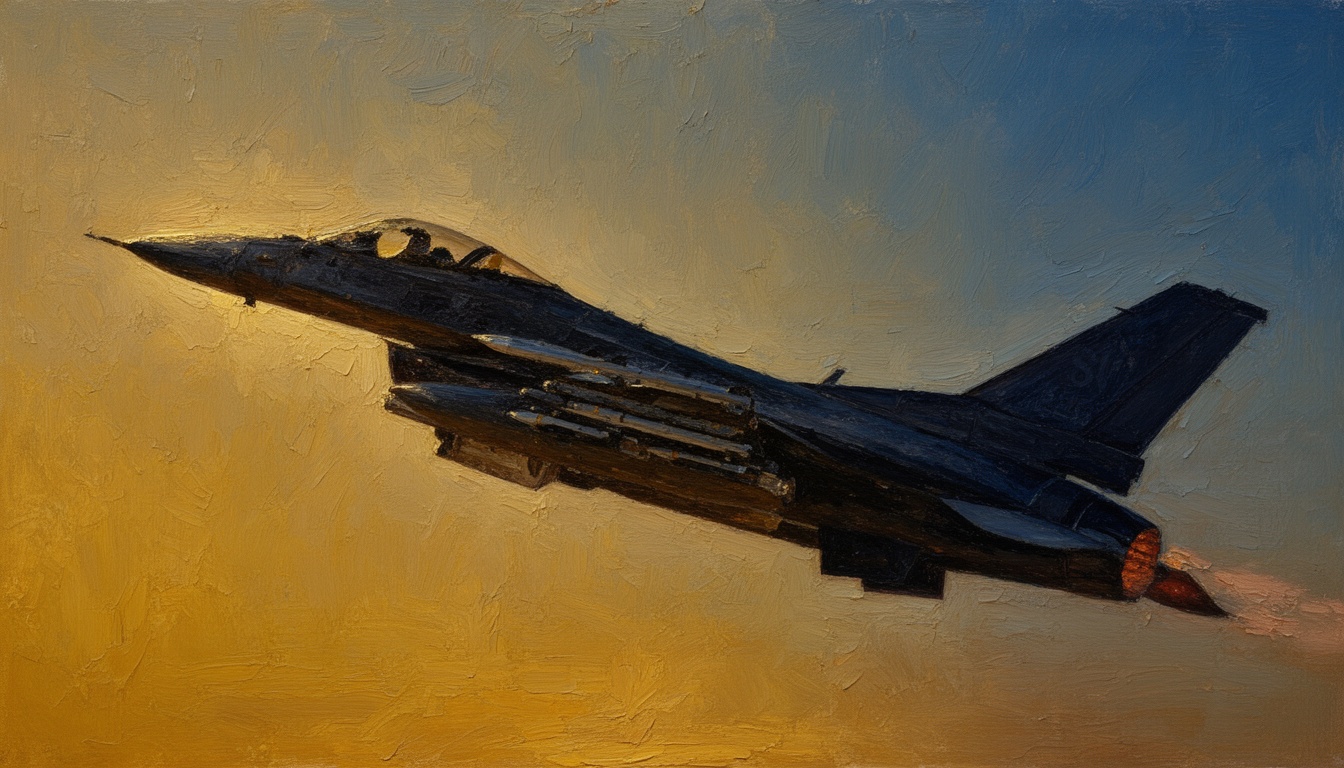
Strategically, the addition of US Air Force tankers and fighter jets to the region represents a major shift in the military posture, indicating a readiness to engage more actively. The air assets deployed include KC-135 Stratotankers and F-15E Strike Eagles, enhancing the US capability for operational flexibility within the region.
Moreover, the military response from the US seems to be a direct counter to recent Iranian provocations, which include missile tests and increased support for proxy groups operating in Iraq and Syria. The deployment of these military assets underlines Washington's commitment to countering Tehran’s influence in the region.
As mutual strikes are likely to trigger further retaliatory actions, the situation could lead to significant instability in the Middle East. Analysts predict that the escalation may complicate diplomatic channels and heighten the risk of a broader military confrontation, emphasizing the urgent need for strategic dialogue to de-escalate tensions.