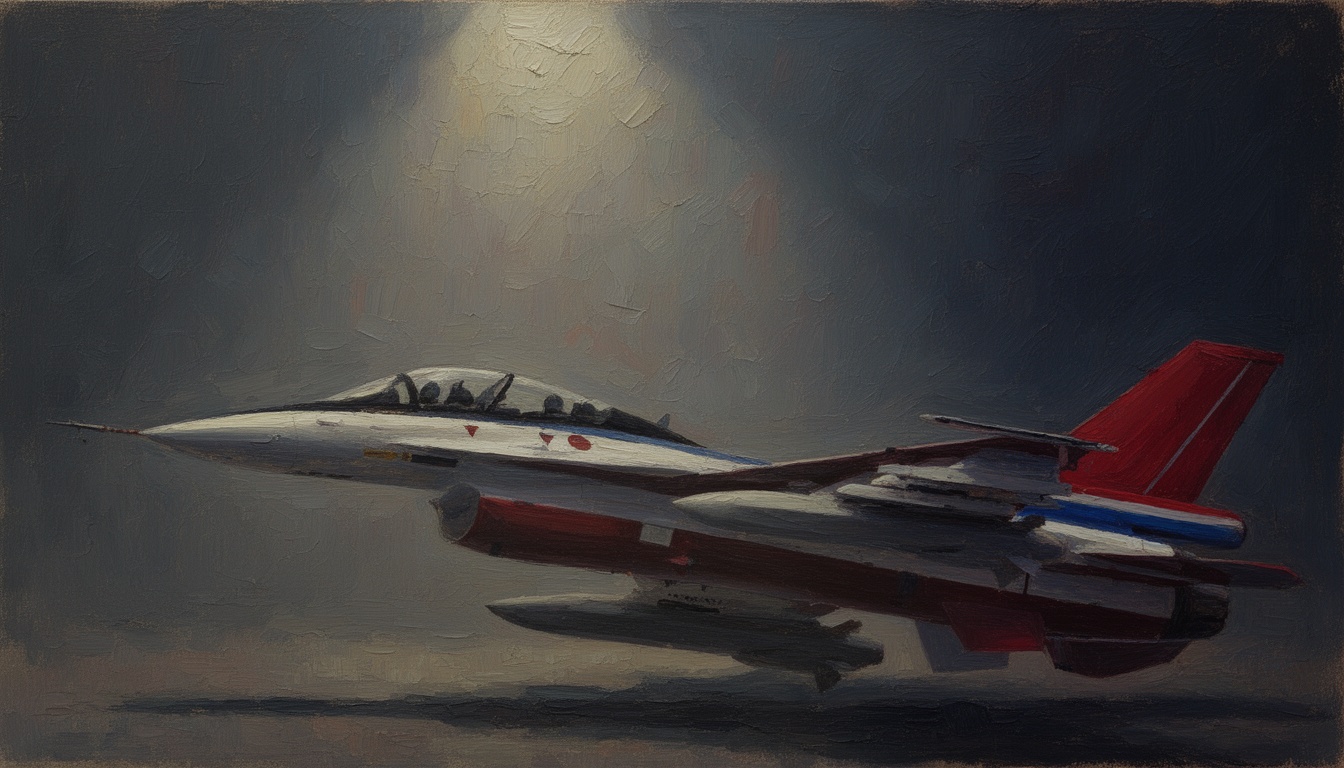
Japanese F-2 Fighter Wings New Large Stealth Cruise Missile
The F-2 fighter's capability is significantly enhanced with a possible new air-launched missile, potentially the Type 25, expanding its standoff strike reach.
A Japanese F-2 fighter has been observed carrying a new large stealth cruise missile beneath its wings, significantly increasing its strike capability. This missile is suspected to be the Type 25, which has not been publicly displayed before. The integration of this advanced weapon system marks a notable upgrade for the F-2, enhancing its ability to engage targets from a distance without entering heavily defended airspaces.
The F-2 fighter, developed jointly by Japan and the U.S., has a history of incorporating advanced technologies and weaponry. The Type 25 missile, if confirmed, would be pivotal in modernizing Japan's defense strategy, particularly given the increasing military tensions in the Asia-Pacific region. Expansion of standoff capabilities allows for greater strategic flexibility in responding to any threats.
In terms of specifications, the Type 25 missile is intended to feature stealth characteristics designed to evade detection by enemy radar systems. The missile's operational range and effectiveness represent a significant enhancement over previous munitions available to the F-2 fleet. This development aligns with Japan's ongoing initiatives to bolster its self-defense capabilities and respond to regional security challenges.
The emergence of the Type 25 coincides with Japan's ambitions to modernize its Air Self-Defense Force, enhancing its deterrent posture against potential adversaries. The deployment of advanced weaponry like the Type 25 would solidify the F-2's role in Japan's aerial combat strategy, allowing for effective responses to asymmetric threats, particularly in contested environments.
As regional tensions escalate, Japan's defense posture remains under scrutiny. The enhancement of the F-2's armament with a new stealth cruise missile could lead to increased engagement and collaboration among allies like the U.S. and other regional partners, reinforcing collective security measures in a volatile theater.