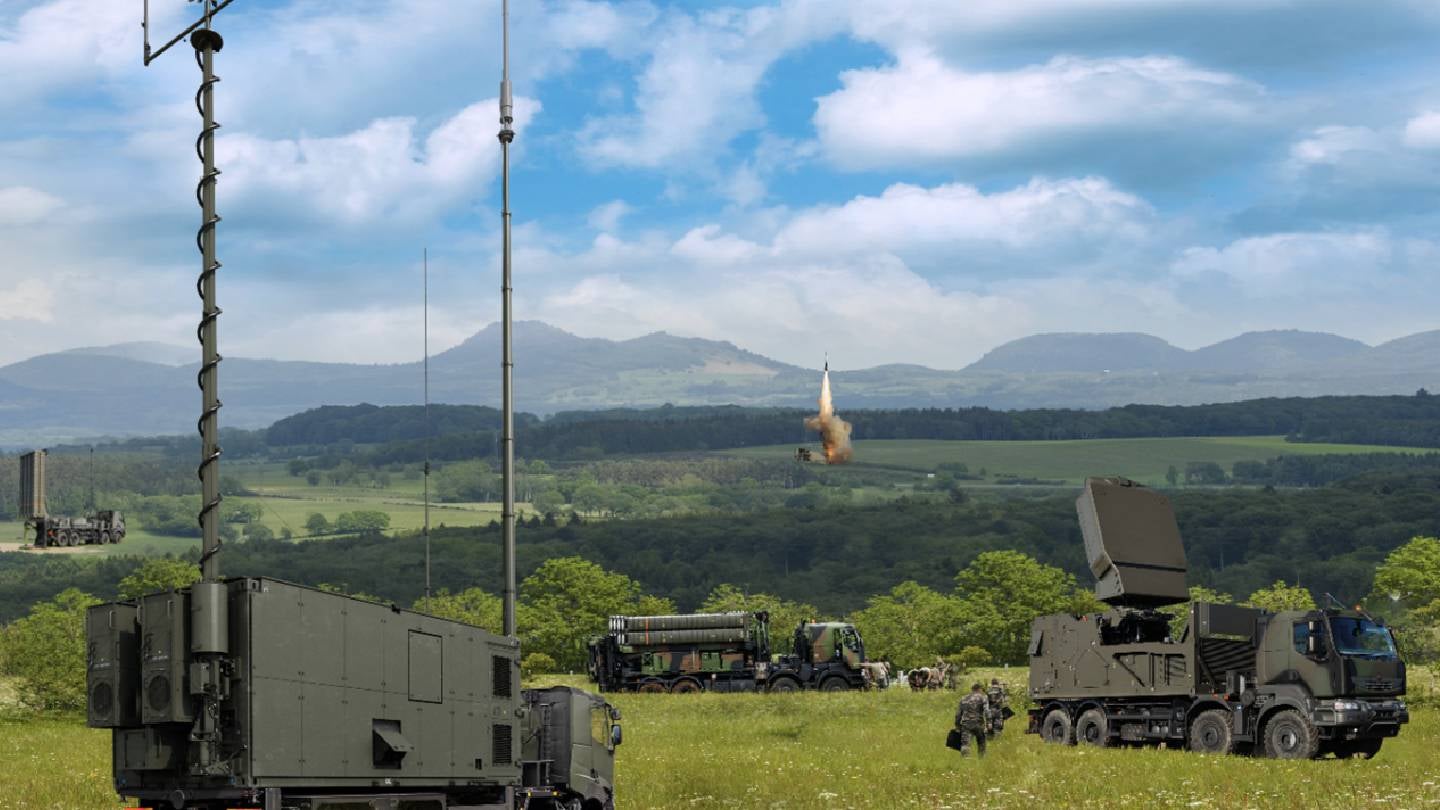
Denmark Signs First Export Contract for SAMP/T NG Defence System

Denmark has signed the first export contract for the European SAMP/T NG long-range air and missile defense system. The deal marks a milestone for European defense integration and Denmark's future air defense posture. Analysts will watch for details on interoperability, industrial offsets, and regional security implications.

Denmark has formalized its first export contract for the European SAMP/T NG long-range air and missile defense system. The agreement underscores Denmark's commitment to expanding its layered air defense capability with a system designed for high-precision engagement of aerial threats at extended ranges. The signing confirms a significant commercial and strategic milestone for the SAMP/T NG program and its European supply chain.

Context around this development points to a broader push within Europe to diversify and strengthen multilateral defense capabilities. Denmark's decision aligns with a regional trend toward greater interoperability among allied air defense networks. It also complements ongoing modernization efforts across Nordic and Baltic security architectures, potentially encouraging similar orders from neighboring states.

The strategic significance centers on deterrence, resilience, and industrial participation. By placing an export contract with a European system, Denmark signals confidence in European manufacturing ecosystems and in the ability to field an integrated air defense layer that can counter contemporary and future threats. The move may influence alliance planning, exercises, and joint posture in response to evolving air and missile competition in the region.

Technical and operational specifics remain to be disclosed publicly, but the SAMP/T NG system is characterized by long-range engagement capabilities, advanced radar and command-and-control elements, and compatibility with a broad set of air and missile threats. The contract is expected to involve substantial industrial participation, maintenance commitments, and potentially future expansion or upgrade options. Observers will parse the final terms for indications of system integration with Denmark's existing fighters, early-warning networks, and allied defense architectures.

Looking ahead, the export contract could shape Denmark's defense industrial base and its role in European security architecture. If negotiations include offset packages or co-production, Danish industry may gain deeper access to advanced European defense technologies. In the near term, the focus will be on testing, certification, and prioritizing seamless interoperability with partner systems as regional tensions fluctuate and defense budgets adapt.