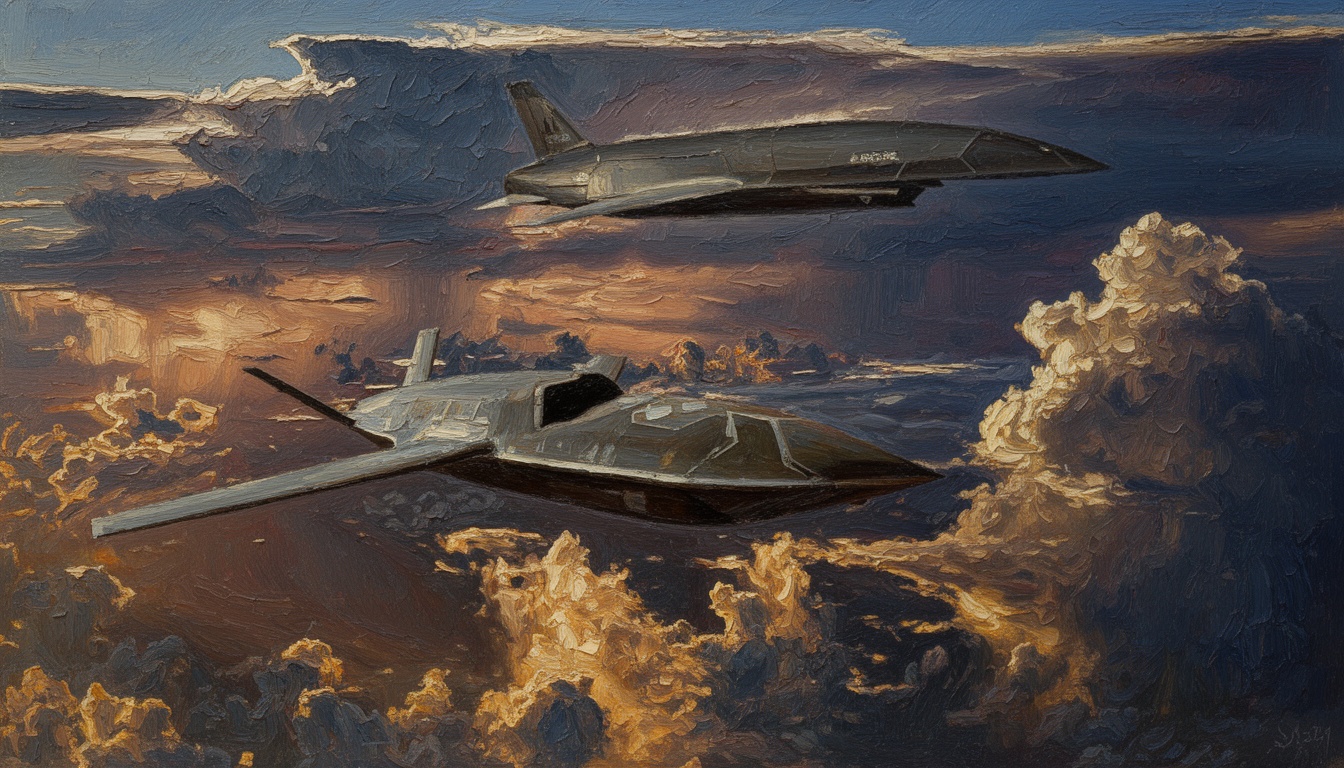
Air Force Plans Downselect for Second CCA Batch Next Year
The Air Force is set to refine its strategy for the second batch of CCAs, with a separate competition planned to replace the MQ-9A Reaper. This initiative underscores the evolving landscape of unmanned aerial systems.
The United States Air Force is preparing to downselect candidates for its second batch of Combat Collaborative Aircraft (CCA) by next year. This rigorous process is part of the broader strategy to enhance capabilities in unmanned aerial systems. An Air Force official confirmed that the downselect will help streamline the acquisition and evaluation process for CCAs, which are intended to complement existing platforms.
In tandem with the CCA initiative, a separate competition is expected to launch early in the next fiscal year aimed at replacing the MQ-9A Reaper unmanned aerial vehicle (UAV). The MQ-9A Reaper has been a workhorse for intelligence, surveillance, and reconnaissance (ISR) missions. However, its operational limitations have prompted the Air Force to seek more advanced and versatile alternatives that can perform a wider range of missions.
The strategic significance of these developments cannot be overstated. As potential conflict zones become increasingly complex, the necessity for advanced UAVs that can execute diverse operational tasks is paramount. This downselect signals a robust commitment from the Air Force to maintain technological superiority in the air.
Details on the specifications for the new CCA and its operational framework are still pending. However, the emphasis will likely be on enhanced autonomy, improved sensor packages, and integration with existing systems. The ongoing refinement of these concepts is critical for the Air Force's future engagement strategies and achieving their mission objectives.
Looking ahead, the outcomes of these programs could redefine the U.S. Air Force's approach to unmanned warfare. With global competitors advancing their aerial capabilities, the urgency to deploy a more capable, next-generation platform is more pressing than ever. This strategic pivot might also influence defense industry trends and international collaborations in advanced UAV technology.