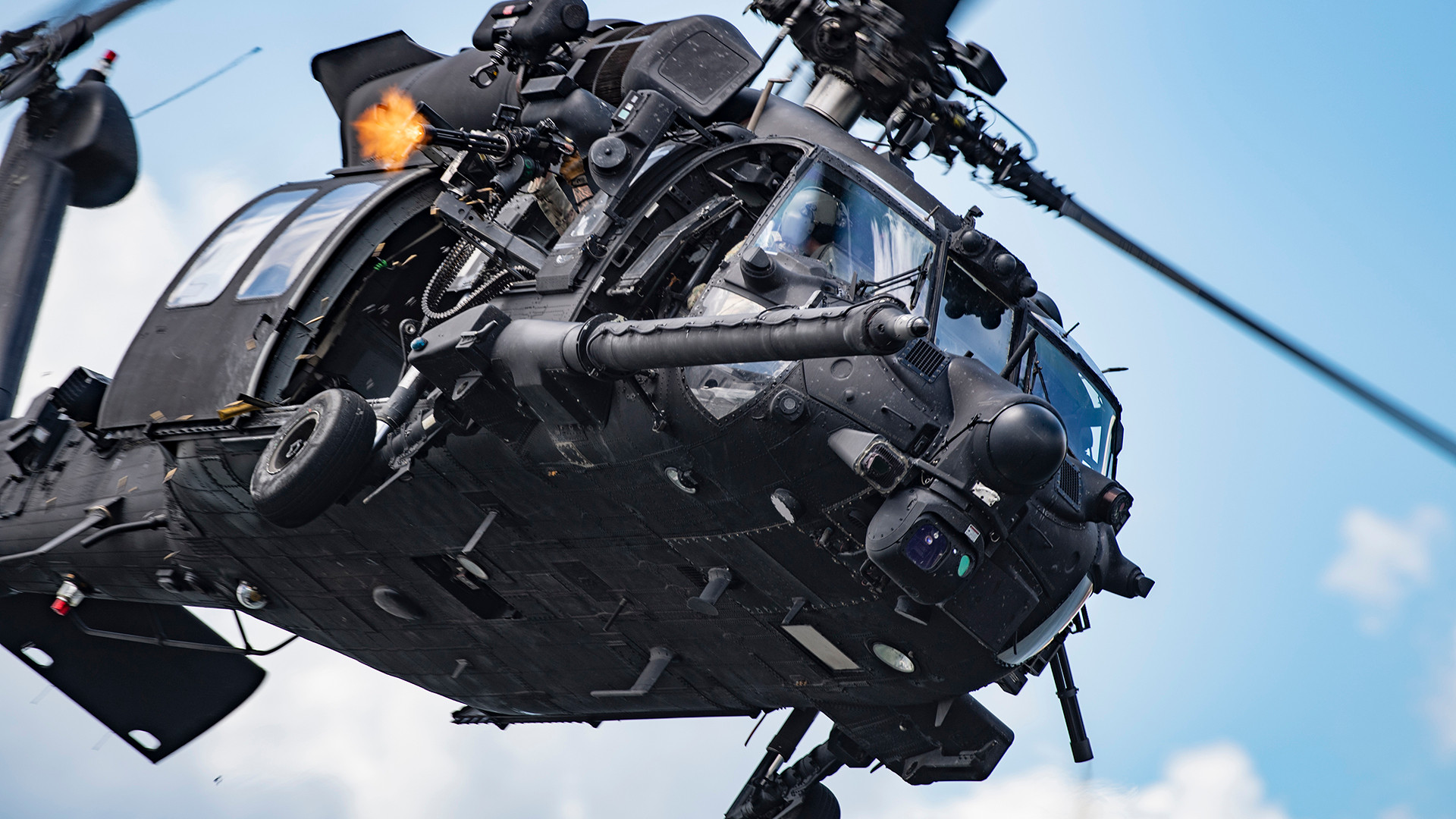
New Turbine Engines Enhance MH-60M Black Hawk Capabilities
The US Army's Improved Turbine Engine Program aims to significantly enhance the performance of MH-60M Black Hawk helicopters. However, uncertainty looms over the program's future direction and implementation.
The US Army is advancing its Improved Turbine Engine Program (ITEP), which is expected to deliver substantial performance enhancements for the MH-60M Black Hawk helicopters, widely utilized by elite units. The upgrades are intended to improve fuel efficiency and operational capabilities during critical night operations. Despite the ambitious plans, challenges remain in securing funding and finalizing technology solutions.
Background concerns about the ITEP stem from the need for a more powerful engine to meet the demands of modern warfare, especially in adverse conditions. As helicopter missions grow in complexity, particularly those performed by the 160th Special Operations Aviation Regiment, the urgency for these advanced engines becomes evermore evident. The project was initiated to replace the existing T700-GE-701 engine, which has limitations in endurance and thrust.
Strategically, the success of the ITEP is not only vital for enhancing Black Hawk performance but also for maintaining aerial superiority in special operations missions. The capability to improve the operational range and payload of these helicopters directly impacts the Army's effectiveness in diverse combat scenarios, including anti-terrorism operations. Therefore, the program's future could significantly influence the operational readiness of US forces.
In terms of technical and operational details, the ITEP is expected to incorporate new design elements that enhance power while minimizing weight. Specific targets include improving the thermal efficiency of the engine while increasing the lift capability. However, the projected timeline for deployment remains uncertain, with delays potentially impacting the operational capabilities of the entire fleet.
Consequences of either delays or challenges in implementation could have serious implications for US Army operations. A failure to deploy the ITEP on schedule might necessitate reliance on aging engines, compromising mission efficiency and safety. In light of these developments, continued advocacy for funding and support for the program is essential for ensuring the Black Hawk's place in future military engagements.