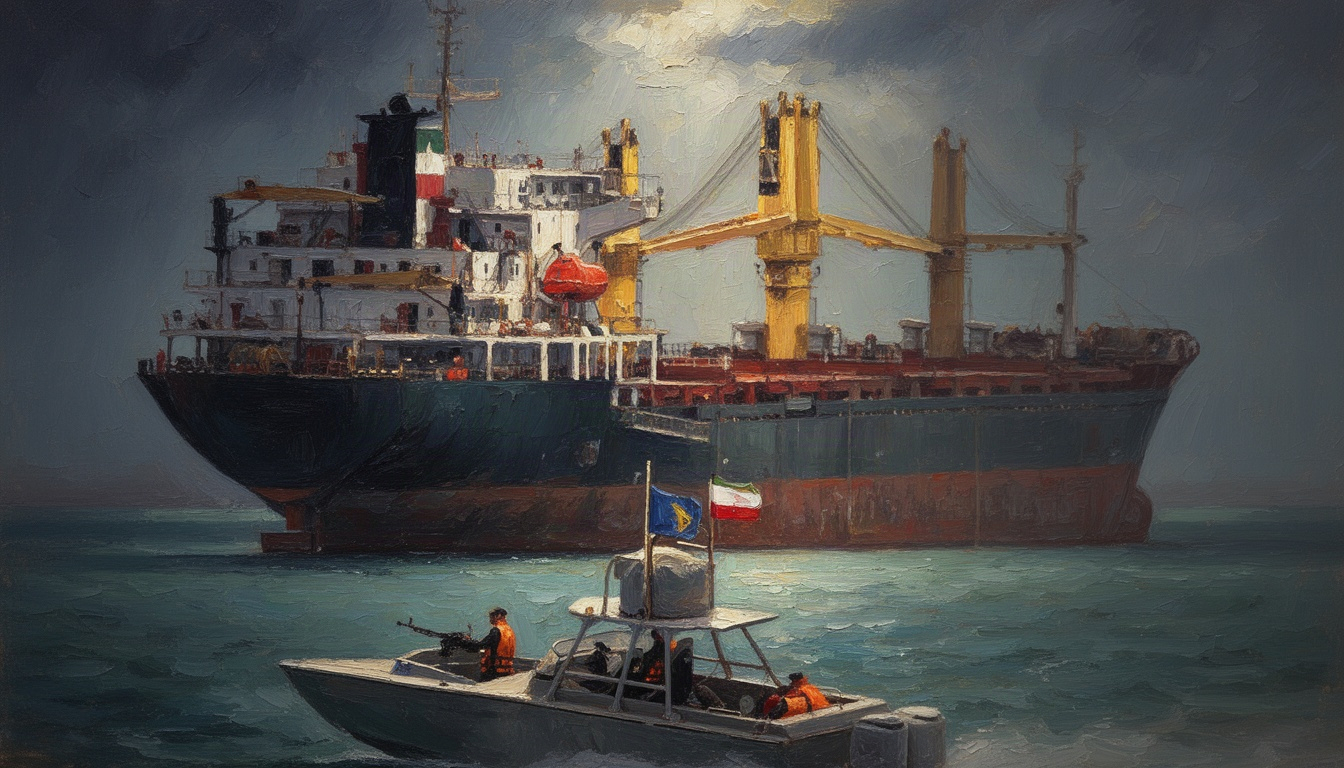
Iran and Oman Enhance Control Over Strait of Hormuz
The efforts by Iran and Oman to stabilize the strategic Strait of Hormuz reflect significant regional security dynamics. Despite a fragile ceasefire, tensions between the U.S. and Iran continue to linger.
Iran and Oman are reportedly collaborating to enhance control over the critical Strait of Hormuz, a vital shipping lane for global oil supplies. This cooperation comes amid ongoing tensions between Iran and the United States, although direct military engagements have not occurred recently.
Historically, the Strait of Hormuz has been a flashpoint for regional conflicts, given its strategic importance for oil transit. Approximately 20% of the world's oil passes through this narrow waterway, linking the Persian Gulf with the Arabian Sea. Both nations appear to recognize the imperative of securing this passage amidst unpredictable geopolitical circumstances.
The strategic significance of Iran and Oman's collaboration cannot be understated. By fostering tighter control over the strait, both countries aim to assert regional influence and ensure their respective national security interests are met. This partnership may also be seen as a counterbalance to U.S. presence and its alliances in the region.
Operationally, the Iranian and Omani naval forces have reportedly increased their patrols around the strait. The exact details of their joint exercises remain undisclosed, but there are indications of improved coordination. This could entail deploying advanced naval assets or conducting surveillance operations to deter potential threats.
The continuation of a shaky ceasefire demonstrates the volatility of the situation in the region. Should tensions escalate, any breakdown in cooperation could lead to significant ramifications for global oil markets and regional stability, making ongoing diplomatic dialogues crucial for peace in the area.