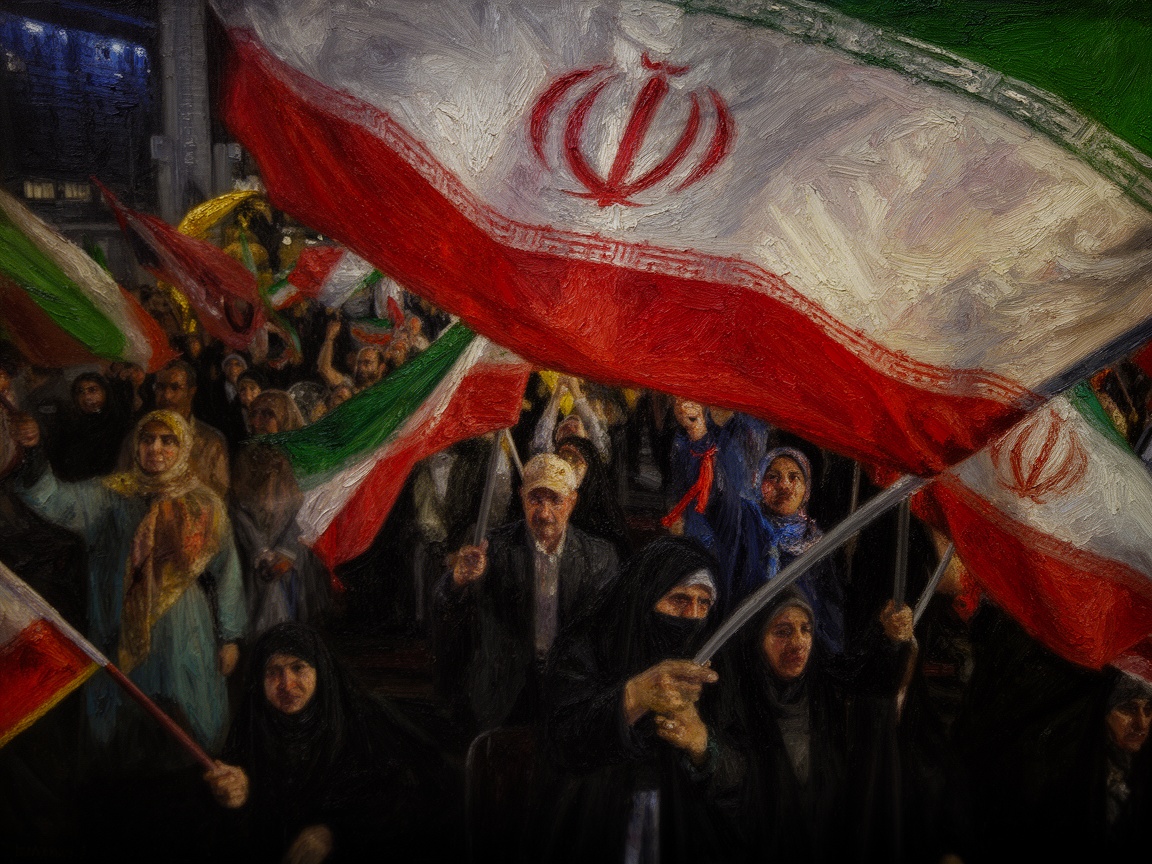
Iran Describes Military Shift Following Beirut Raid Response
Iran's military strategy emphasizes initiative and offensive capabilities against Israel. This change reflects a more aggressive posture in the region.
Iran's military establishment is heralding a significant shift in doctrine following recent military responses to Israeli actions in Beirut. Iranian officials have characterized the attacks on Israeli targets as integral to a new strategic approach that values taking initiative and asserting offensive power in military operations.
This recalibration in military strategy comes amidst a backdrop of heightened tensions between Iran and Israel, where both states have engaged in a series of confrontations. The Iranian response to the Beirut raids underscores their commitment to countering what they perceive as Israeli aggression, demonstrating an intent to escalate military confrontations when required.
The strategic significance of this doctrine lies in the potential shift of power dynamics in the Middle East. By advocating for a more proactive military stance, Iran aims to enhance its deterrence capabilities while showcasing its willingness to challenge regional adversaries like Israel directly, which could prompt a reevaluation of strategies among other regional and global stakeholders.
Operationally, Iran’s military focus will likely incorporate advanced tactics and systems designed to improve their offensive capability, potentially including ballistic missile deployments and drone strategies. Such developments could alter the operational landscape, giving Iran the ability to strike targets at greater distances and with more precision.
In the longer term, this military shift could provoke further escalations and attract responses from Israel and its allies. If Iran follows through with rapidly implementing these strategic changes, the implications for Middle Eastern security could be profound, possibly leading to a new phase of intensified conflict between Iran and Israel.