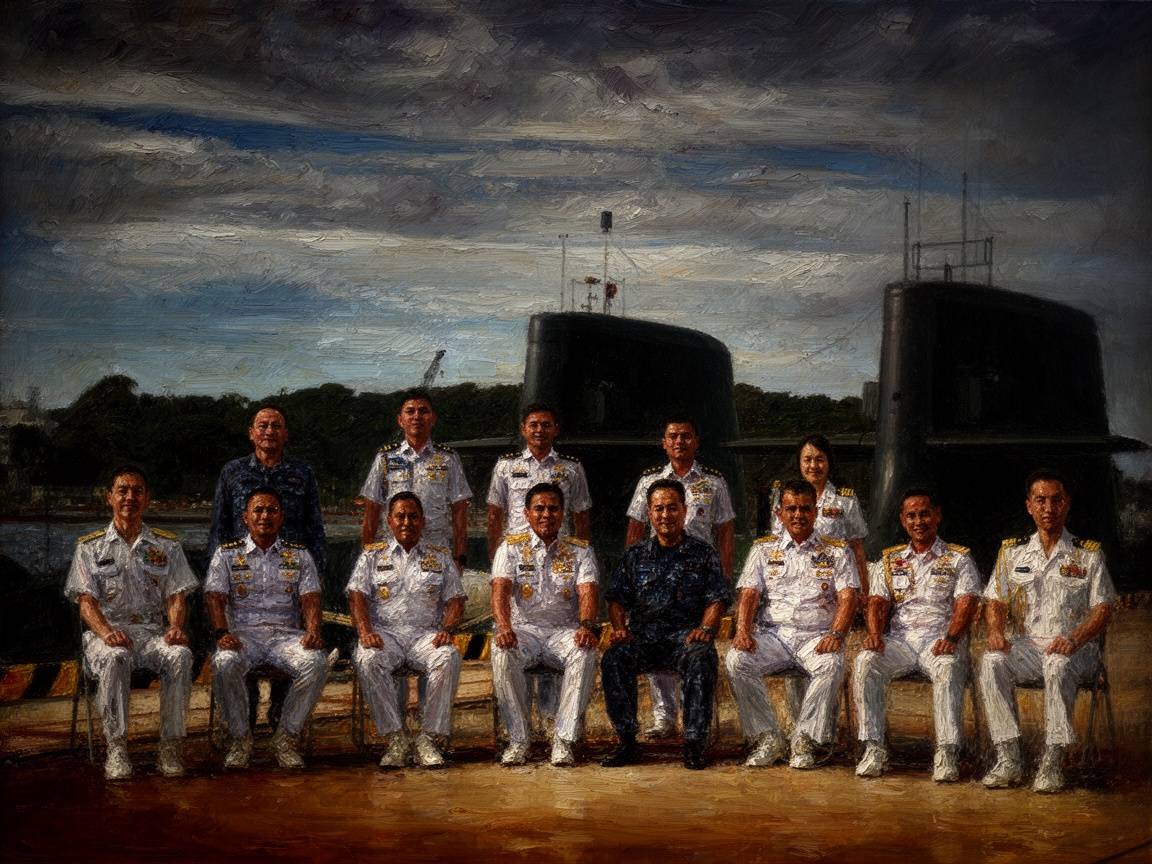
Indonesia Confirms Offers of Mogami Frigates and Submarines
Japan is enhancing security ties with Indonesia through military offers as regional tensions rise. The potential acquisition of Mogami-class frigates and submarines signifies a strategic partnership.
Japan has formally extended offers to Indonesia for the acquisition of Mogami-class frigates and submarines. This development was confirmed on April 11 by Admiral Muhammad Ali, the Chief of Staff of the Indonesian Navy (TNI AL). The move aligns with Japan's efforts to bolster security cooperation with Indonesia, particularly in light of the evolving geopolitical landscape in the region.
The backdrop to this offer includes Japan's recent alteration of its arms export policies, allowing for greater military engagement with international partners. This signifies a shift in Japan's defense strategy, focused on enhancing deterrence capabilities among regional allies amid rising maritime tensions. The offer of the Mogami class, known for its stealth features and advanced sensor systems, highlights Japan’s commitment to strengthening collective regional security.
Strategically, the potential acquisition of these vessels by Indonesia could significantly enhance its naval capabilities, enabling more effective patrolling and deterrent operations in its territorial waters. The Mogami-class frigates are designed to operate in diverse combat scenarios and can be integrated into multi-domain operations alongside allied forces.
Operationally, the Mogami-class frigates boast advanced radar systems, enhanced stealth, and combat management capabilities, demonstrating considerable sophistication in modern naval warfare. The additional submarine offers will provide Indonesia with critical underwater warfare capabilities, essential for securing its vast maritime territory and interests.
Should these negotiations advance, they will likely lead to deeper military collaboration between Japan and Indonesia, shaping future defense policies and regional security frameworks. Such developments could also provoke reactions from other nations in the region amid an already complex security environment.