China’s Iran Strategy: Power Without Projection
China's strategic restraint regarding Iran alters geopolitical dynamics. This development signals a potential shift in international alliances and power balances.
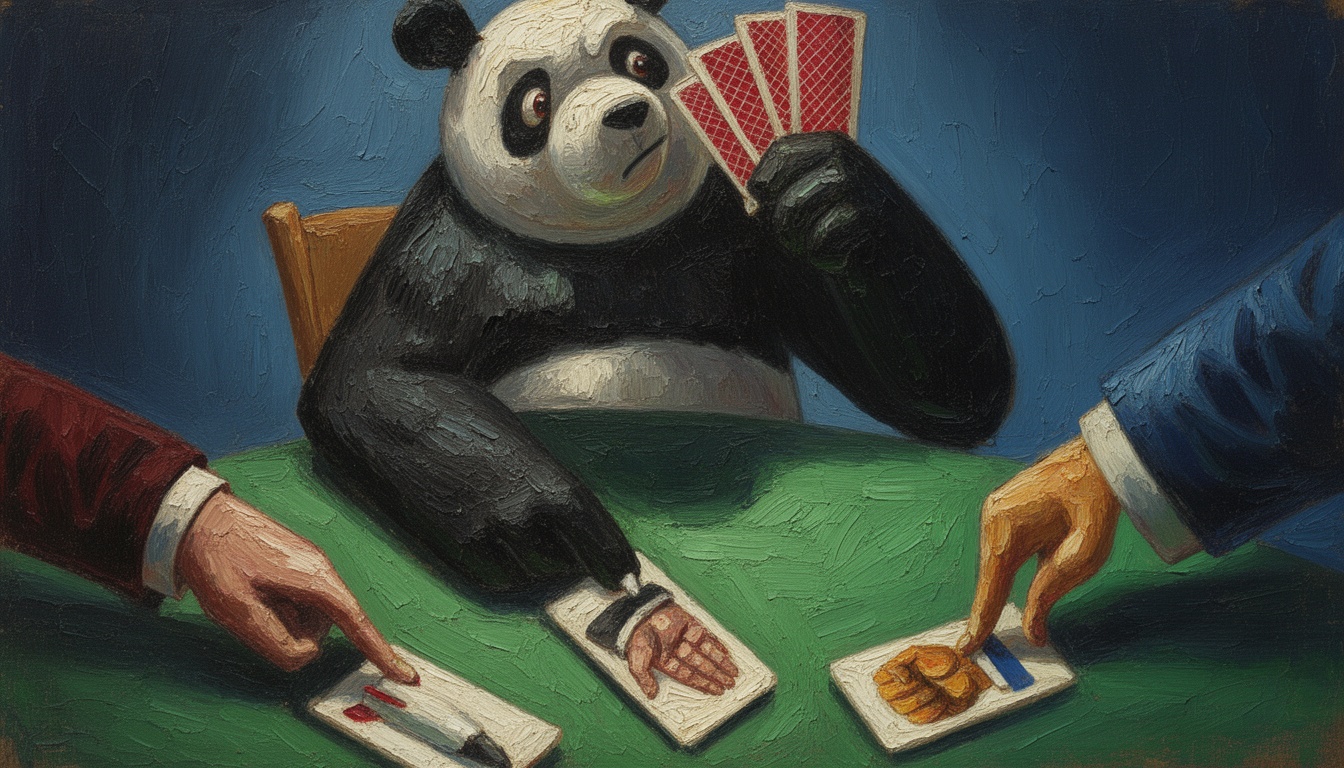
During the G7 summit in Evian-les-Bains, France, on June 17, US President Donald Trump acknowledged China's strategic approach towards the ongoing US-Israeli conflict with Iran. Notably, he commended Beijing for maintaining a 'neutral' stance, a significant deviation from prior expectations regarding China's role in global conflicts. Trump's remark highlighted that China could have projected power through military means but opted instead for restraint, altering perceptions of its foreign policy.
Historically, China's foreign policy has been characterized by a cautious approach, particularly in volatile regions like the Middle East. However, this recent acknowledgment from a major global leader signals a deeper recognition of China's growing influence and its ability to shape outcomes without resorting to direct intervention. This shift could contribute to a redefinition of alliances within the G7 and beyond, as nations reassess their diplomatic strategies in light of China's increasing presence.
The strategic significance of this development cannot be overstated. As geopolitical tensions rise in the region, China's decision to refrain from military escalation while simultaneously engaging in diplomatic dialogues reflects a nuanced understanding of global power dynamics. This approach may allow China to maintain its influence while mitigating the risks associated with direct confrontation with major powers such as the US.
Moreover, operationally, China's strategy seems rooted in its long-established principle of non-interference and economic engagement. In the case of Iran, Beijing has prioritized economic ties, focusing on energy imports and infrastructure investments over military posturing. This tactical restraint could strengthen China's position as a mediator in the region, leveraging its economic clout to foster stability instead of chaos.
Moving forward, the consequences of this strategic pivot are likely to resonate across the geopolitical landscape. As China continues to navigate its relationships with Iran and the West, other nations may look to emulate its model of restraint. This could lead to a recalibration of power balances, whereby traditional military interventions give way to economic alliances and diplomatic negotiations, shaping a new era in international relations.