7.8 Magnitude Earthquake Strikes Philippines, One Dead
A severe earthquake in the Philippines has triggered tsunami warnings and prompted authorities to evacuate coastal regions. Immediate actions are underway to assess damage and respond to aftershocks.
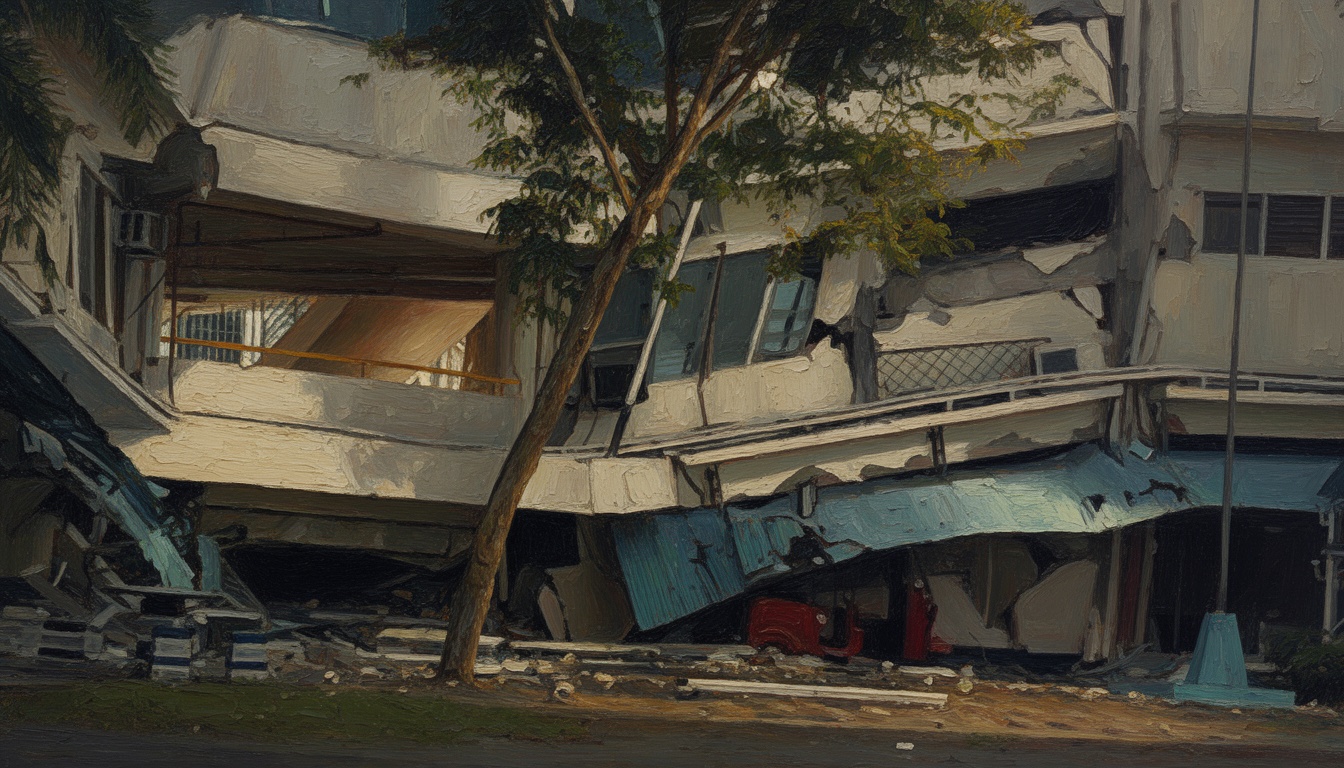
A 7.8 magnitude earthquake struck the southern Philippines on Monday, resulting in the death of at least one individual. The quake caused buildings to collapse and has led to tsunami warnings being issued across the region. This significant seismic event occurred at 7:37 AM local time.
The earthquake was centered about 24 kilometers west of Sarangani province in Mindanao at a depth of 35 kilometers (22 miles). Authorities have recommended that residents in affected coastal areas in both the Philippines and nearby Indonesia evacuate to higher ground immediately as a precautionary measure against possible tsunamis. The US Geological Survey (USGS) confirmed the earthquake's details and has been monitoring the situation closely.
This earthquake's magnitude and the subsequent tsunami warnings highlight the Philippines' vulnerability to seismic events. The region is located along the Pacific Ring of Fire, known for its frequent quakes and volcanic activity. Philippines officials are mobilizing emergency services to assess the damage and provide assistance to affected communities, particularly in coastal areas susceptible to tsunami risks.
Aftershocks have been reported, with at least one registering a magnitude of 6.1, adding to the concerns of safety and infrastructure stability. The full scale of damage remains uncertain as authorities assess the affected areas. Emergency response teams are being deployed, and residents are being urged to remain cautious in the following days.
In light of this event, the need for enhanced building regulations and emergency preparedness in earthquake-prone regions of the Philippines will likely come under scrutiny. This earthquake serves as a stark reminder for the international community regarding the ongoing risks posed by natural disasters in such geologically active areas.