US War on Iran Escalates Amid Domestic Repression
The conflict in Iran highlights deepening human rights abuses and authoritarian governance. International attention could impact the regime's actions and civil society resilience.
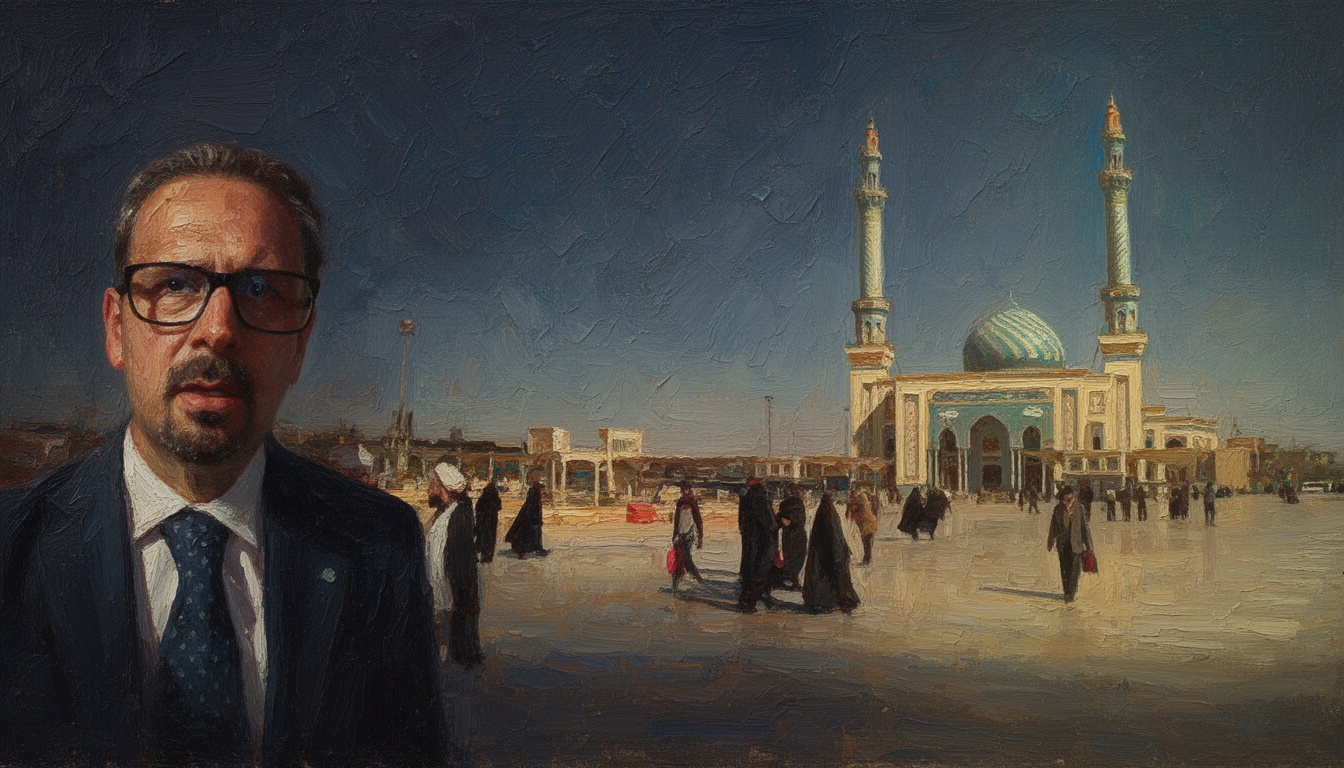
Recent statements indicate a growing concern over the Iranian regime's response to public dissent amid ongoing unrest. Mahmood Amiry-Moghaddam, President of Iran Human Rights, emphasizes that while the regime faces international scrutiny, it has simultaneously intensified domestic repression. Civilians in Iran are reportedly risking their lives to bring attention to their plight, highlighting the precarious situation as authorities leverage regional conflicts to justify crackdowns on dissent.
The backdrop of this situation includes months of protests, driven by widespread dissatisfaction with economic conditions and government policies. The Iranian government has responded with increased violence and arrests, as highlighted by Amiry-Moghaddam's observations. The conflict represents both an internal struggle for civil rights and a complex interplay of international pressures that could influence the regime.
Strategically, the situation poses significant implications for global diplomatic efforts to address human rights violations in authoritarian states. The Iranian authorities have demonstrated adaptability by exploiting foreign geopolitical tensions while simultaneously suppressing civil society. This dual approach presents challenges for any potential resolutions aimed at improving conditions for the Iranian people.
From a technical perspective, the Iranian regime continues to use surveillance technology and social media monitoring to suppress dissent effectively. Reports have indicated that more than 20,000 individuals have been arrested since the onset of protests in September 2022. The tight grip of the government diminishes hopes for meaningful reforms amid ongoing civil unrest.
The long-term consequences of these developments signal a potential escalation in both repression and international attention. The resilience of Iranian civil society could either invite further crackdowns or galvanize a more profound challenge to authoritarian practices. The situation remains fluid as both regional dynamics and human rights advocacy efforts continue to evolve.