South Korea Unveils Controversial Korean War Memorial in Seoul
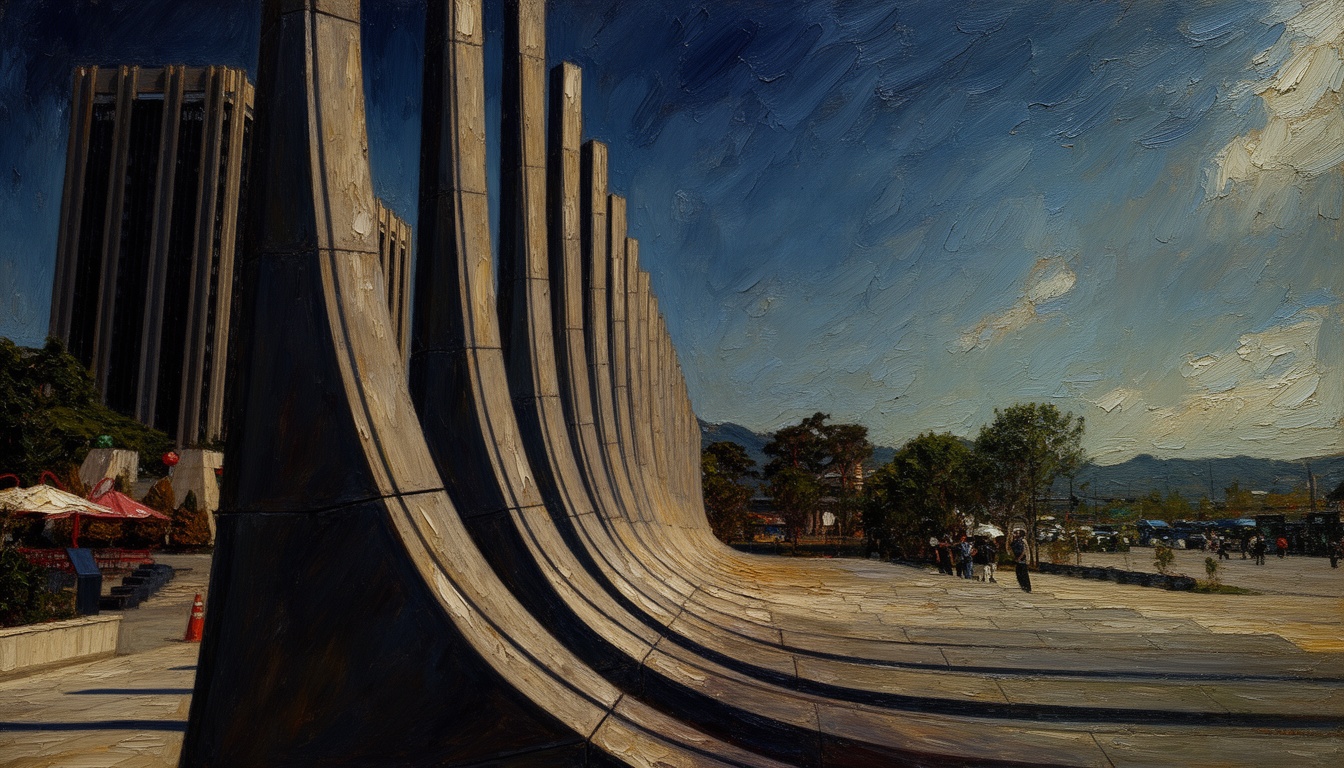
The unveiling of a massive memorial has sparked a symbolic conflict in Seoul. The 23 stone monuments represent South Korea and allied nations from the Korean War.
In a polarizing development that has ignited a public debate, South Korea unveiled a new Korean War memorial in Gwanghwamun Square, Seoul. This expansive site features 23 stone monuments symbolizing South Korea and the 22 foreign countries that fought alongside it during the 1950-53 conflict. The controversy stems from mixed perceptions about the memorial's place in a location historically tied to civic gatherings and pro-democracy protests.
Gwanghwamun Square has long served as a focal point for South Korean national identity, making the addition of such a memorial particularly contentious. Critics argue that placing the war memorial in a highly trafficked tourist area undermines its solemnity and distorts its intended purpose. Supporters contend that it is vital to recognize the sacrifices made during the Korean War, reinforcing South Korea's military history and honoring those who served.
Strategically, the memorial's unveiling can be seen as an assertion of South Korea’s identity and resilience, particularly in a region surrounded by evolving security dynamics. The dedication comes as South Korea navigates its role within the broader context of U.S.-China tensions and North Korean aggression, highlighting the importance of historical remembrance in shaping national identity.
The memorial consists of 23 granite structures, each one representing an ally that contributed to the United Nations' military effort during the Korean War. This includes countries like the United States, United Kingdom, Canada, and Australia, among others. Each stone bears inscriptions honoring the respective nations, emphasizing the collaborative efforts made during a critical period in Korean history.
Looking forward, reactions to the memorial are likely to continue shaping public discourse in South Korea. The division among citizens could influence future monuments and memorials, as the nation grapples with how to represent its complex military history in a manner that resonates with both current and future generations. As tourism to the site increases, its role in educating visitors about the war and its ongoing implications for peace in the region remains to be seen.