US Missile Shortages Could Strengthen China's Position During Trump Visit
US weapons stockpile depletion risks diminishing bargaining power for Donald Trump in China. This situation raises concerns about US military readiness in the Indo-Pacific region.
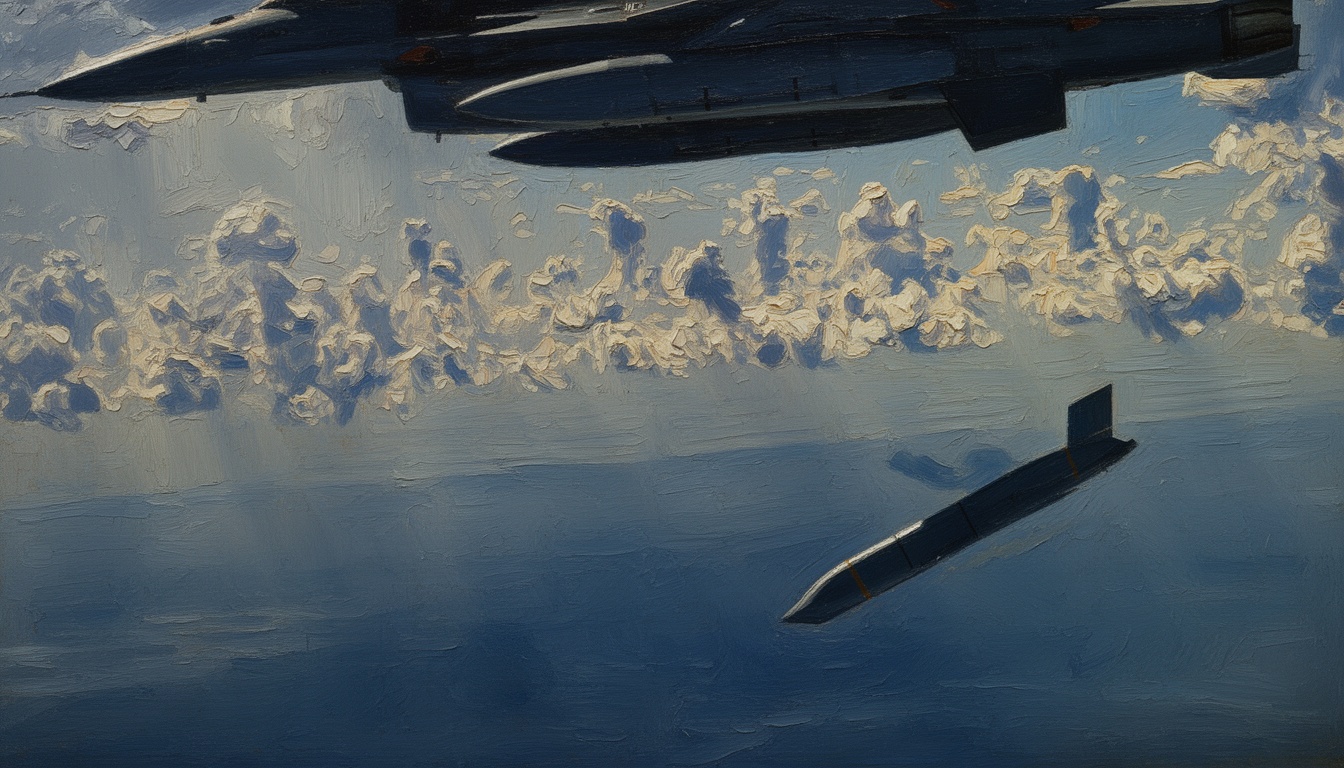
The United States is facing a significant depletion of its weapons stockpiles following its military engagements, particularly the recent war in Iran. As President Donald Trump prepares for a high-stakes visit to China, this shortage may critically undermine his bargaining power in discussions with President Xi Jinping. Accompanying Trump on this important diplomatic mission is Defence Secretary Pete Hegseth, marking the first time since 1972 that a Pentagon chief has traveled with a president to Beijing.
The dwindling inventories of weapons raise alarm not only regarding US military preparedness but also about its strategic position in the Indo-Pacific region. With the potential for confrontation in this vital area, the timing of Trump's visit coincides with a moment when Beijing may feel emboldened due to America's reduced military resources. This dynamic could lead to increased pressure on the U.S. to make concessions in trade and security agreements during the meetings.
China's growing control over supply chains and manufacturing capabilities in the defense sector could further complicate US position during these negotiations. With critical weapon systems like the F-35 and other advanced technologies dependent on foreign supply, the US's dependency on China for certain components sets a precarious backdrop for the upcoming talks. Any perceived weakness on the part of the US could be interpreted by Beijing as an advantage to press harder for favorable terms.
The implications of these shortages extend beyond the immediate discussions between Trump and Xi. Should the US be seen as unable to project power effectively in the Indo-Pacific due to these deficiencies, it may embolden not just China but other regional adversaries. The long-term consequences could redefine alliances and shift the balance of power within the region.
Going forward, the US will need to address its military readiness and ensure a stable supply of weapons and advanced technology to regain its footing in strategic discussions with allies and adversaries alike. Without sufficient leverage, the US risks not only diminishing its immediate bargaining position but also enabling a shift in the global power balance toward China.