Russia Attempts to Secure Third Power Status in Southeast Asia
Russia positions itself as a potential counterbalance to US-China rivalry in Southeast Asia. Through energy partnerships and economic agreements, Moscow aims to enhance its influence in the region.
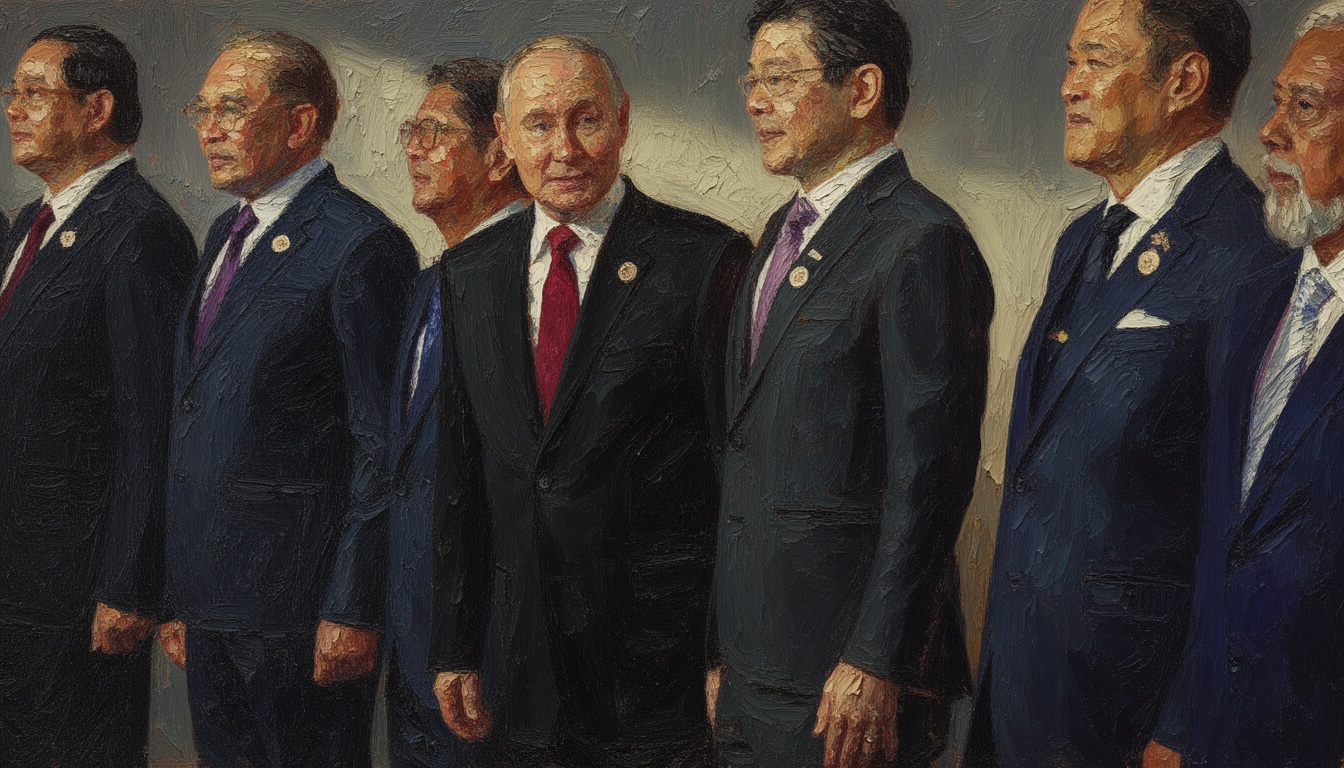
Russia is actively seeking to enhance its influence in Southeast Asia by presenting itself as a viable 'third power' amidst rising tensions between the United States and China. This ambition was prominently showcased during the Asean-Russia Commemorative Summit held in Kazan on Thursday, where Russian President Vladimir Putin met with regional leaders to discuss strengthening political and economic ties.
The geopolitical landscape in Southeast Asia is becoming increasingly complex, with energy supply uncertainties and the fallout from conflicts like that in Iran. As the US and China vie for supremacy in the region, Russia's outreach aims to fill a perceived void while offering an alternative partnership to nations wary of choosing sides in the growing rivalry.
Strategically, Russia’s push for a stronger presence in Southeast Asia serves multiple interests, including bolstering its energy exports and gaining access to emerging markets. The summit underscored the commitment to enhance cooperation, illustrated by the signing of several agreements that could lead to considerable economic investments and joint ventures in sectors such as energy and infrastructure.
On the technical side, the foundation of Russia’s proposal centers around energy projects, including oil and gas supply agreements, which are particularly appealing to Southeast Asian countries facing energy shortages. By positioning itself as a key energy supplier, Moscow hopes to secure long-term relationships and increase its geopolitical leverage in a region that holds growing importance in global energy dynamics.
In terms of likely consequences, Russia's engagement may reshape the balance of power in Southeast Asia. If Moscow successfully establishes itself as a trusted partner in energy and other economic sectors, it could alter the dynamics of regional alliances and influence how Southeast Asian nations navigate their relationships with major powers like the US and China.