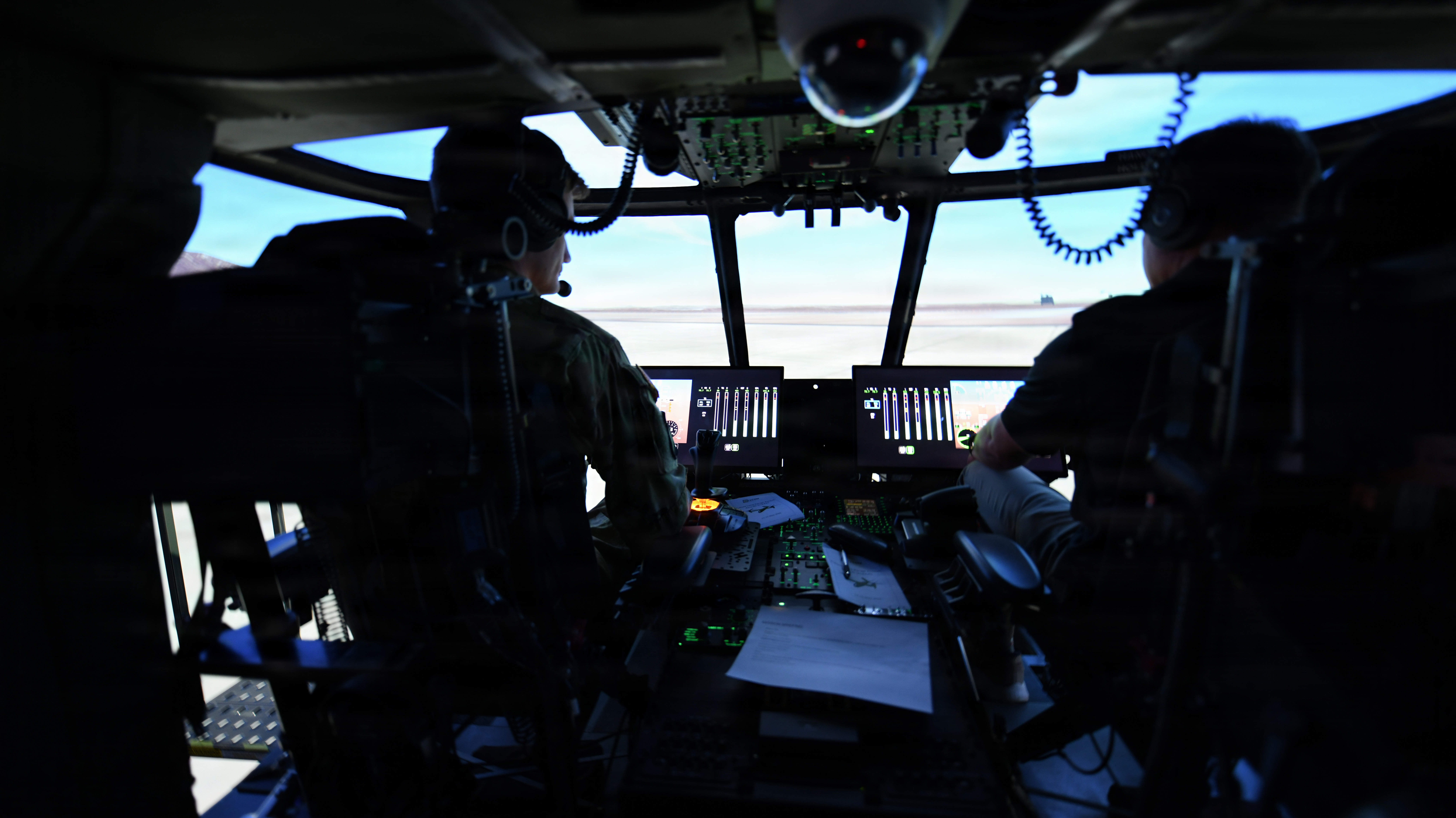
Pilots Influence MV-75 Cheyenne Cockpit Design Ahead of Service Entry
The U.S. Army is actively seeking pilot feedback on the MV-75 Cheyenne assault aircraft cockpit. This initiative aims to optimize the aircraft's usability prior to its operational deployment.
The U.S. Army is incorporating pilot feedback into the cockpit design of the MV-75 Cheyenne assault aircraft ahead of its introduction into service. This unique approach involves simulating flight scenarios, allowing aviators to offer critical insights that can enhance operational efficiency and user experience. By engaging pilots in the design process, the Army aims to ensure that the Cheyenne meets the needs of its future operators.
The MV-75 Cheyenne is intended to provide advanced capabilities in air assault scenarios; however, early pilot involvement could significantly shape the aircraft’s final design. With direct feedback from those who will ultimately operate the aircraft, the Army is prioritizing both safety and functionality in its engineering process. Incorporating real flight experiences from veteran pilots allows for a more intuitive cockpit layout and control system, potentially reducing the learning curve for new operators.
From a strategic standpoint, the MV-75 Cheyenne is a key component of the Army's modernization efforts. It is designed to replace aging assault aircraft models with a more versatile platform capable of executing multiple missions— a requirement that has become increasingly critical in diverse operational environments. Ensuring that the cockpit suits the aviators’ needs could mark a significant step in achieving strategic superiority in air mobility operations.
Operationally, the design feedback process may lead to modifications in cockpit ergonomics, mission displays, and avionics suites in the MV-75 Cheyenne. Features such as better visibility, enhanced situational awareness systems, and more efficient control placements are among the aspects that pilots are likely to recommend. These improvements could be pivotal in enhancing the overall combat readiness of Army aviators once the Cheyenne is officially deployed.
Looking forward, the success of this initiative could set a precedent for future aircraft development within the U.S. Army, emphasizing the importance of pilot interaction in military aviation projects. Ultimately, refining the cockpit in response to aviators’ experiences not only enhances performance but also strengthens trust between operators and their equipment, fostering a more cohesive combat force.