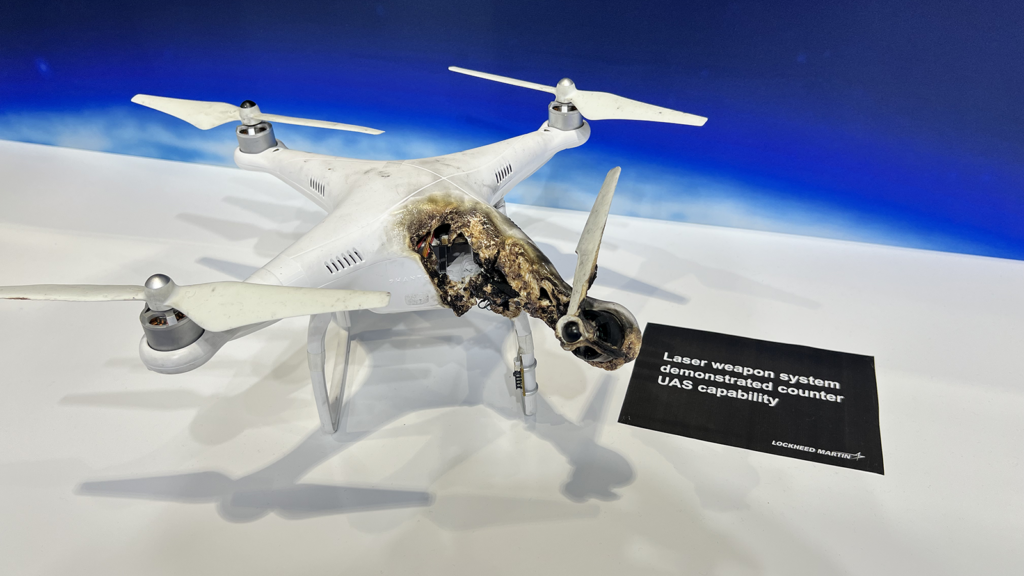
Lockheed Martin Promises Operational Laser Air Defenses by 2030
Lockheed Martin asserts that laser air defense systems will enter service before the decade ends. This marks a significant advancement in military technology, moving beyond previous delays.
Lockheed Martin's Stephanie Hill announced that laser air defense systems will be operational by the end of this decade, challenging the longstanding perception that such technologies are perpetually five years away. This commitment signals a major shift in the development and deployment of advanced defense capabilities that utilize directed energy.
Historically, laser systems have faced numerous technological and operational hurdles, leading to skepticism regarding their integration into military arsenals. However, Hill's remarks reflect renewed confidence in the capabilities of laser technologies, emphasizing that they are no longer just future concepts but imminent operational assets.
The strategic significance of operational laser defenses lies in their potential to provide cost-effective and rapid responses to aerial threats. These systems can mitigate risks from drones, missiles, and other aerial threats while reducing reliance on traditional munitions, which are often more expensive and less precise.
Technically, Lockheed Martin's laser systems are expected to leverage advancements in power generation and targeting accuracy. Details regarding specific projects or funding amounts were not disclosed, but the timeline suggests an aggressive push towards fielding these capabilities within the next few years.
The introduction of operational laser air defenses could fundamentally alter engagement strategies in aerial defense, enhancing military effectiveness against emerging threats. As countries invest in these technologies, the dynamics of aerial warfare may evolve dramatically, highlighting the urgency in other nations to develop similar systems.