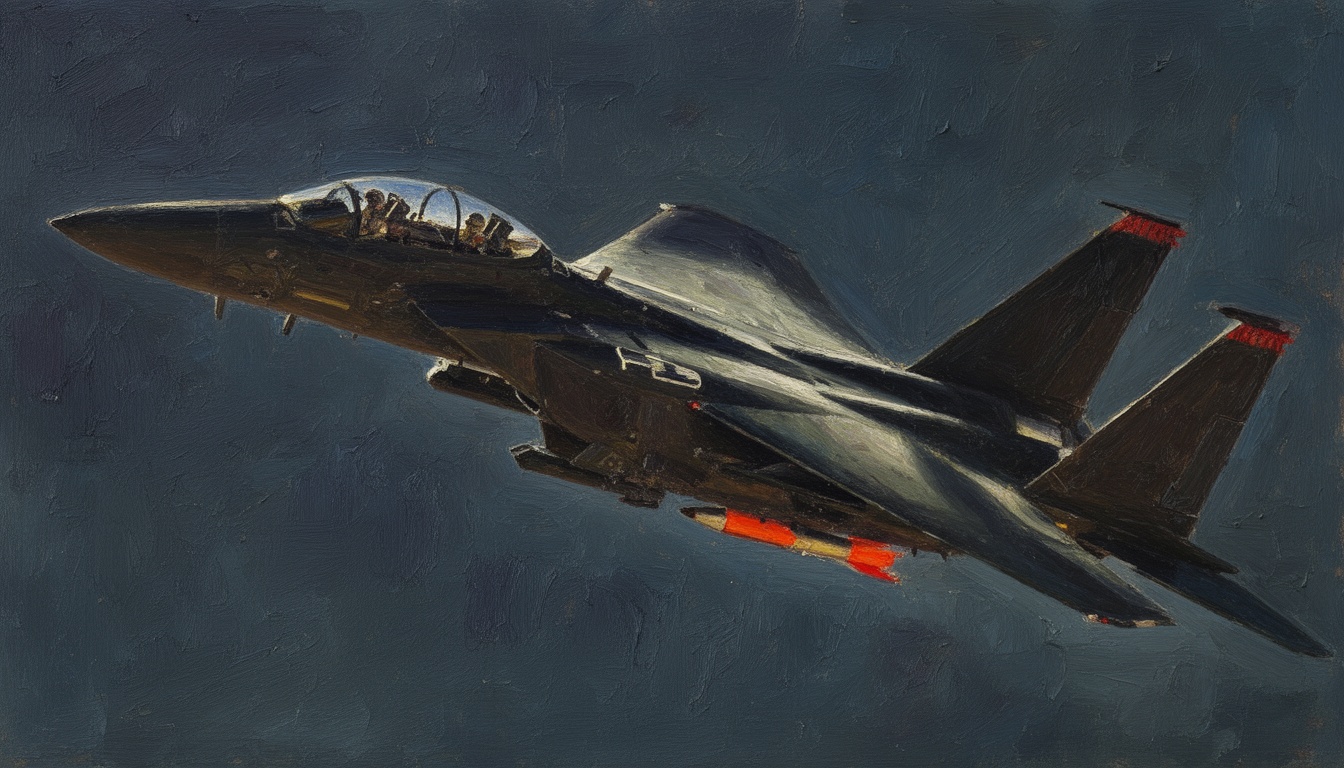
Reintroduce Nuclear Weapons to Pacific to Deter War with China
The reintroduction of U.S. nuclear forces may reassure allies and boost deterrence in the Pacific. This strategy could enhance Washington's national security amid rising tensions with China.
Experts suggest that reintroducing U.S. nuclear weapons to the Pacific region, starting with South Korea and gradually extending to Japan, could effectively serve as a deterrent against potential aggression from China. This strategic move aims to alleviate the security concerns of U.S. allies in East Asia, particularly amid increasing military assertiveness from Beijing.
The backdrop of this proposal is the ongoing tension between the U.S. and China, characterized by territorial disputes in the South China Sea and North Korea's nuclear ambitions. A strong U.S. nuclear presence in the region could signal America's commitment to its allies and fortify collective defense arrangements under the U.S.-Japan and U.S.-South Korea alliances.
Strategically, the potential deployment of tactical nuclear weapons could shift the balance of power in the region. The presence of nuclear forces would not only bolster deterrent capabilities but could also improve the overall effectiveness of U.S. military operations in the Indo-Pacific, where conventional capabilities may face challenges against a rapidly modernizing PLA (People's Liberation Army).
Operationally, the reintroduced nuclear forces could involve both ballistic missile systems and forward-deployed warheads. This could include enhancing existing military infrastructure in South Korea, such as the missile defense systems capable of countering North Korean threats, and potentially establishing new bases or enhancing existing ones in Japan.
If adopted, this strategy could have far-reaching consequences. It may heighten tensions with China and lead to an arms race in the region, but it could also strengthen U.S. alliances and discourage aggressive actions from adversaries, thus contributing to a fragile yet necessary stability in the Pacific theater.