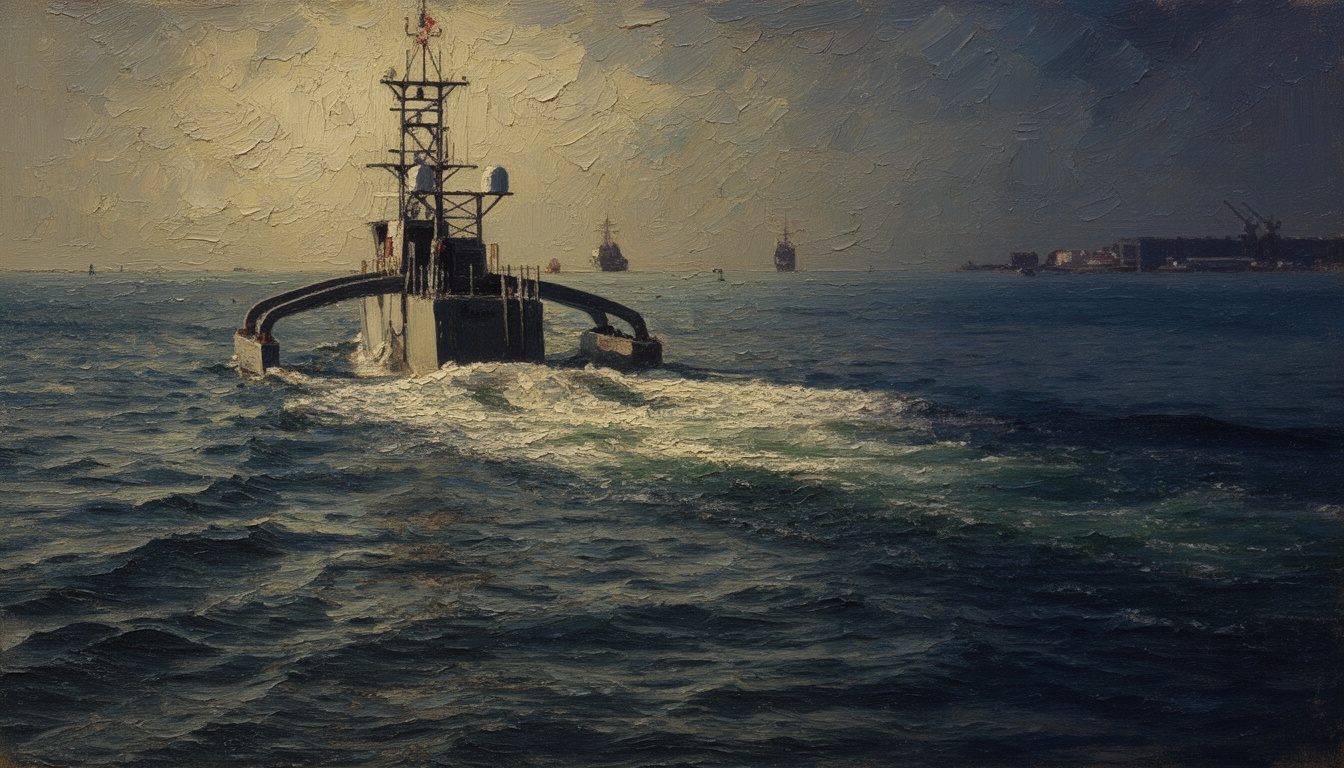
US Navy Aircraft Carrier Deploys with Drone as Harrier Retires
The USS Theodore Roosevelt is set to deploy with a Seahawk drone. This deployment marks a significant technological advancement while the Harrier aircraft bids farewell.
The USS Theodore Roosevelt (CVN-71) of the United States Navy is preparing for deployment with the addition of a Seahawk drone. This week, the aircraft carrier will embark on a mission that highlights the integration of unmanned systems into naval operations. The Seahawk drone enhances the carrier's capabilities and reflects ongoing advancements in military technology.
Meanwhile, the iconic McDonnell Douglas AV-8B Harrier II aircraft has conducted its last flight, marking the end of an era for the Marine Corps. The Harrier's unique vertical takeoff and landing capabilities made it a vital asset for close air support and amphibious operations. This aircraft has been a symbol of innovation since its introduction in the 1980s.
The integration of the Seahawk drone with the USS Theodore Roosevelt underscores a strategic shift in naval warfare, emphasizing the role of unmanned systems on the battlefield. The deployment is significant as it illustrates the Navy's commitment to modernizing its fleet and enhancing operational flexibility against evolving threats.
Equipped with advanced sensors and communication systems, the Seahawk drone can perform reconnaissance and surveillance missions. Its payload capabilities further augment the carrier's strike potential. The Roosevelt, accompanied by its strike group, is now better positioned to support maritime operations with increased situational awareness.
As the Harrier retires, its legacy will influence future air combat designs and strategies. The transition to drone integration is likely to reshape the operational landscape, allowing for more versatile and effective naval engagements in the years ahead.