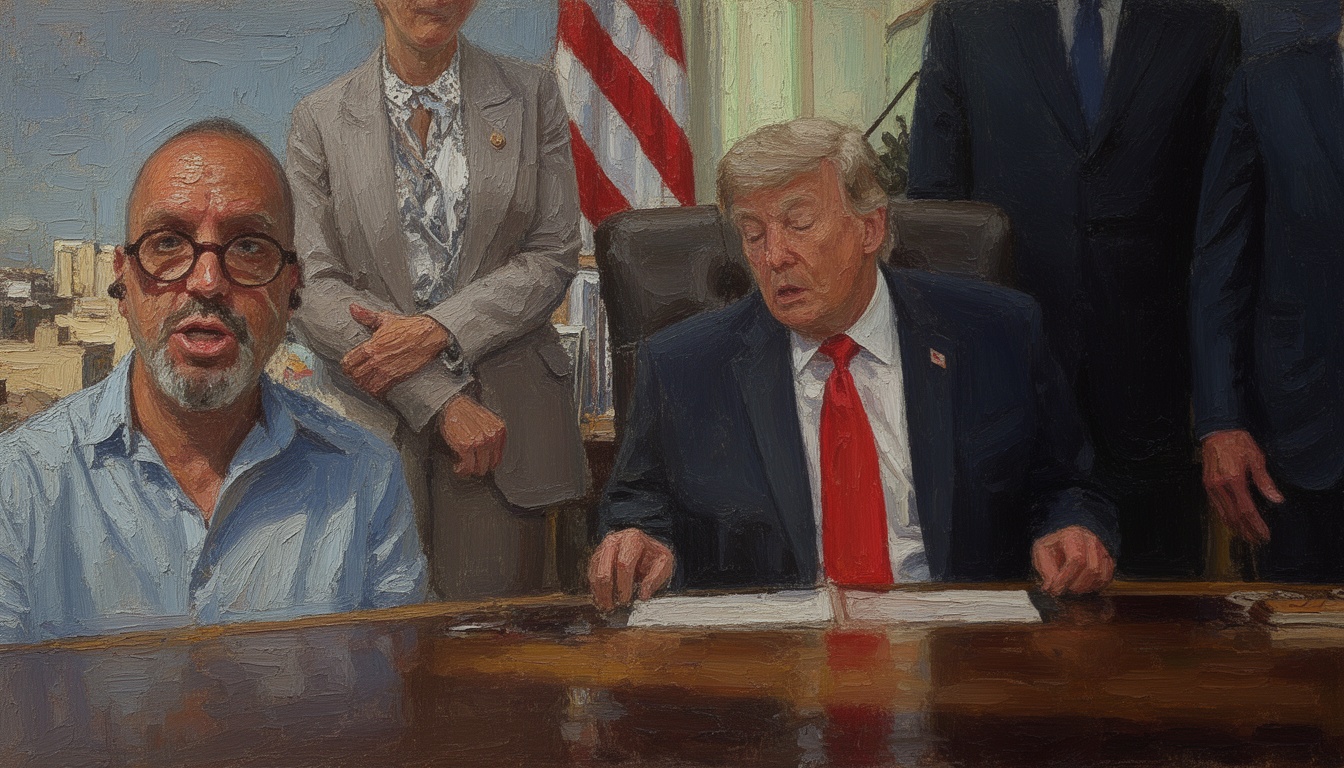
Iran Denies Trump’s Claims of Military Strike Cancellation
Iran expresses skepticism over Trump's claims of a deal, citing deep mistrust. This situation underscores ongoing tensions between Tehran and Washington, impacting regional stability and diplomatic efforts.
US President Donald Trump announced on Thursday he had halted planned military strikes on Iran, claiming this decision was a result of progressing negotiations aimed at ending ongoing conflicts in the region. Trump's statement indicated a potential shift in US policy toward Iran, yet it was met with immediate skepticism from Iranian officials.
In response, Iranian representatives quickly downplayed the idea of an imminent agreement with the United States. The Iranian authorities emphasized their longstanding 'deep mistrust' of Washington, suggesting that any assertions of a breakthrough in negotiations should be viewed with caution. This reaction illustrates the complexity of relations between the two nations, marked by decades of hostility and failed diplomatic initiatives.
The strategic significance of this development cannot be overstated. With Iran's nuclear ambitions and regional influence under scrutiny, any shifts in US military strategy or diplomatic overtures could dramatically affect the balance of power in the Middle East. The uncertainty brought forth by conflicting narratives amplifies tensions in an already volatile environment.
Details surrounding the alleged military strikes were not disclosed, but such actions could have escalated into a larger military engagement. Iran possesses a formidable military capability, including the Shahab-3 missile and advanced drone systems, which would present significant challenges to US forces in the region if provoked. Tehran’s defense posture remains robust, focusing on deterrence and regional hegemony.
Going forward, this episode may hinder any immediate prospects for diplomatic resolution, as both sides remain entrenched in their positions. The deep-seated mistrust suggests that dialogue might be a long and arduous process, with potential implications for global security dynamics if tensions rise again in the Persian Gulf.