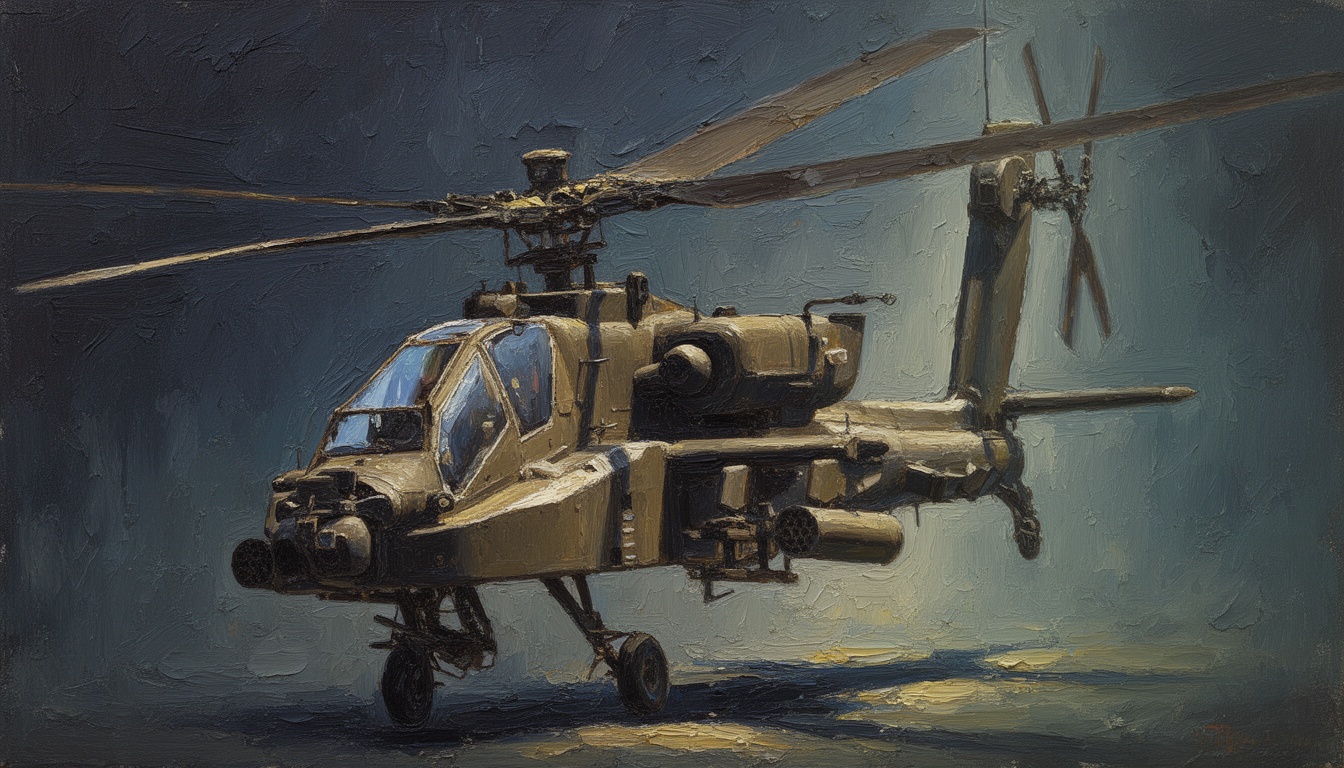
AH-64 Apache Crew Rescued by Drone After Strait of Hormuz Incident
A significant development in drone recovery operations occurred when AH-64 Apache crew members were rescued by an uncrewed vessel near the Strait of Hormuz. This incident marks a notable milestone in military operational capabilities.
In a landmark event for aerial recovery operations, crew members of an AH-64 Apache were rescued by a drone-operated vessel after their aircraft went down near the Strait of Hormuz. This incident highlights a new frontier in unmanned systems, especially in combat search and rescue missions.
Historically, the recovery of downed aircrew has relied heavily on manned rescue teams. However, the successful deployment of an uncrewed surface vessel for this mission sets a precedent for future military operations, demonstrating the expanding role of drones and automated systems in combat scenarios.
Strategically, this development signals a potential shift in how military forces conduct search and rescue operations, possibly reducing risks to human personnel during missions in high-threat environments like the Strait of Hormuz. The use of drones can enhance operational effectiveness and speed, critical factors in life-saving situations.
The uncrewed surface vessel utilized in this operation likely possesses advanced navigation and sensor technology, allowing it to perform complex tasks while remaining outside the immediate threat zone. This capability is a game-changer for forces facing hostile territories, enabling real-time response and minimizing exposure to danger.
Looking forward, the implications of this rescue operation are profound. It illustrates a trend toward increasing reliance on unmanned systems in military operations, raising questions about future air rescue protocols and the integration of such technologies into standard operational procedures across various military branches globally.