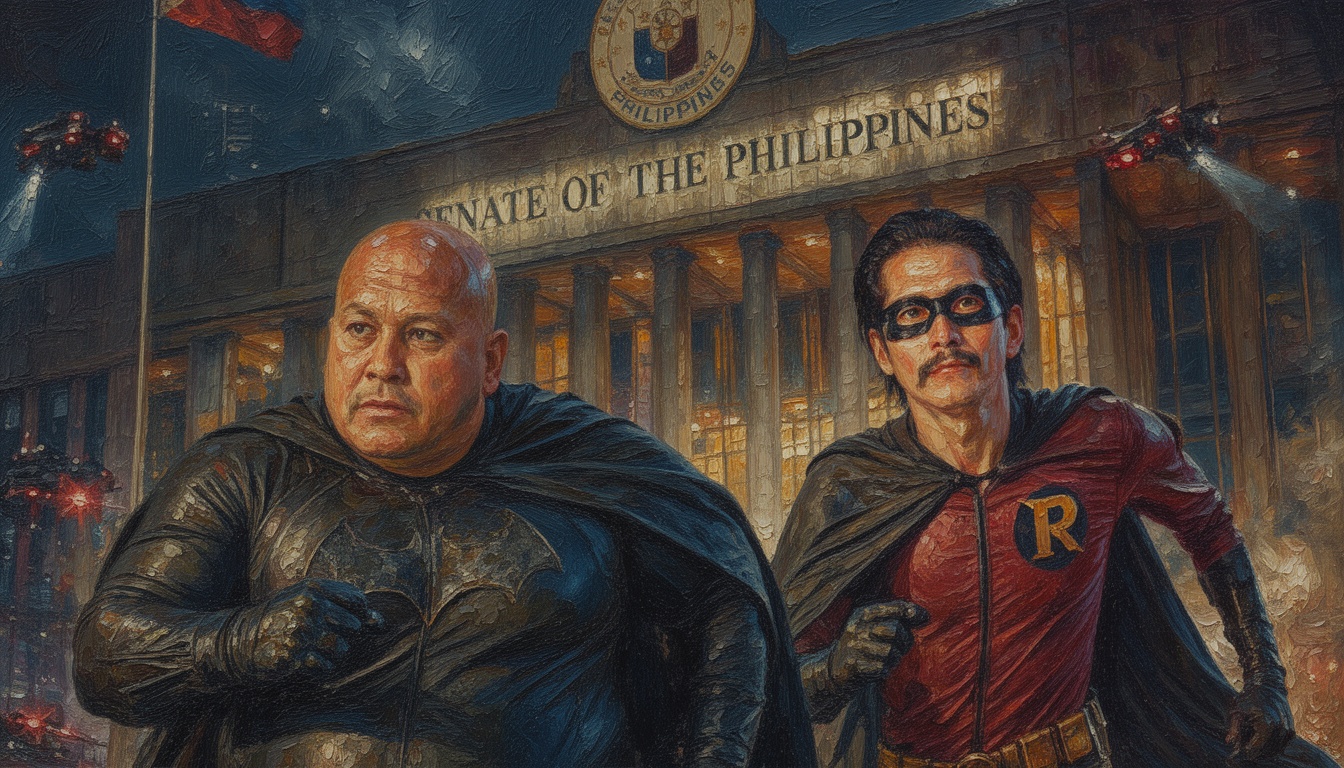
AI-Driven Disinformation Alters Philippine Political Landscape
The rise of AI-generated content reshapes information warfare in the Philippines. The use of sophisticated tools for spreading disinformation poses significant challenges to the democratic process.
The political landscape in the Philippines is undergoing a seismic shift due to the rise of AI-generated disinformation. Supporters of former president Rodrigo Duterte have effectively harnessed technology to manipulate public perception and deepen divisions among citizens. This evolution in information warfare now demands only a smartphone and a few well-crafted prompts to craft convincing disinformation campaigns.
Historically, the Philippines has faced challenges from politically weaponized memes and internet trolls. However, the current environment marks a departure from previous tactics, allowing for a more industrialized approach to disinformation. The Duterte administration had previously laid the groundwork for this strategy by rewarding social media loyalists while systematically attacking opponents through viral content and trending topics.
The strategic implications of AI-driven disinformation are profound. As machines become capable of generating highly targeted narratives, the capacity for misinformation spreads has reached new heights. This poses a direct threat to democratic processes and public trust. Analysts are increasingly concerned about the impact of these campaigns on political discourse and electoral outcomes, suggesting that this could fundamentally alter the nature of democratic engagement in the Philippines.
In terms of operational specifics, AI technologies can create realistic images, deepfake videos, and persuasive narratives that can spread rapidly across social networks. The ability to craft compelling content with minimal effort is leading to an arms race in digital messaging tactics, where varying factions compete for influence over the narrative.
Looking ahead, the implications for governance and civil rights in the Philippines are significant. If current trends continue unchecked, the erosion of factual discourse may culminate in a generally misinformed electorate. Therefore, it becomes imperative for regulators and civil society to devise effective countermeasures against AI-generated disinformation, ensuring the integrity of the democratic process.