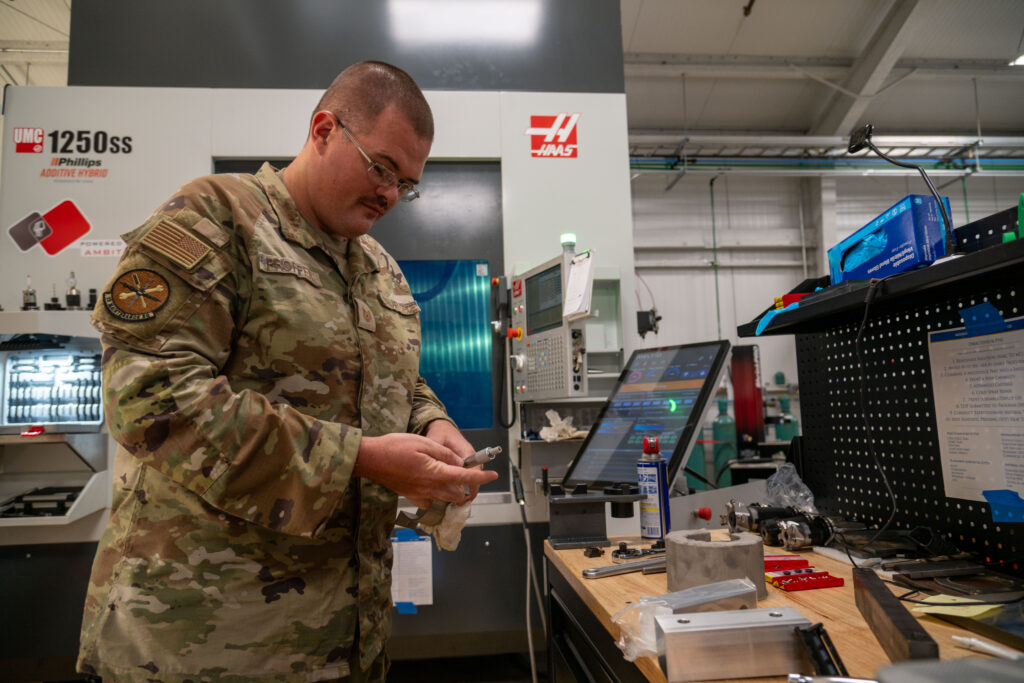
AI Revolutionizes Defense Industrial Base Production Strategies
Artificial Intelligence is transforming defense production processes worldwide, enhancing efficiency and responsiveness. However, challenges in cybersecurity and governance remain critical to address.
Recent advancements in Artificial Intelligence (AI) are fundamentally changing the landscape of global defense industrial bases. By enabling predictive work processes, defense manufacturers can significantly accelerate production timelines and optimize resource allocation. AI-driven technologies promise to enhance the capacity of defense industries to meet the growing demands for rapid military readiness and adaptability in response to evolving threats.
Historically, defense production has been characterized by lengthy timelines and rigid processes. However, the integration of AI into these workflows has introduced a new paradigm. AI algorithms facilitate real-time data analysis and forecasting, allowing for streamlined operations and improved decision-making in supply chain management. Notably, various military organizations are investing heavily in AI capabilities to ensure that their production capabilities can keep pace with technological advancements and shifting geopolitical dynamics.
While the benefits of AI integration in defense production are evident, significant challenges also arise. Cybersecurity threats targeting AI systems can jeopardize the integrity of production processes and national security. Additionally, the governance of AI applications, including ethical considerations and regulatory compliance, remains a paramount concern for defense agencies worldwide. These challenges necessitate a robust framework for ensuring safe and reliable AI deployments within defense contexts.
Operationally, organizations are tasked with balancing the innovative potential of AI with necessary cybersecurity measures. Investment in advanced cybersecurity solutions is essential to protect sensitive data and maintain operational continuity. Furthermore, the establishment of governance frameworks will help navigate the complexities inherent in AI utilization, ensuring compliance with international standards and fostering trust within defense environments.
Moving forward, the successful integration of AI into defense industrial bases has profound implications for global security. As defense entities enhance their production capabilities through AI, the competitive landscape will shift, compelling nations to reassess their military strategies and technological investment priorities. The road ahead will be dictated by how well these challenges are met and how effectively AI can be harnessed to enhance defense readiness.