AI Revolutionizes Warfare: Strategic Partner or Threat?
Military organizations globally are increasingly integrating AI technologies into warfare strategies. This trend raises critical concerns over operational security and ethical implications.
The integration of artificial intelligence (AI) in military operations is changing the landscape of warfare. Across various armed forces, AI technologies are being employed in targeting systems, training simulations, and the deployment of autonomous drones. This development signals a significant shift in how military engagements are conducted and raises important questions regarding accountability and decision-making processes in combat scenarios.
Historically, the introduction of technology in warfare has a profound impact, often altering strategic calculations and operational outcomes. The current wave of AI adoption mirrors past technological advancements, such as the introduction of precision-guided munitions, which revolutionized air campaigns. Nations investing in AI capabilities are seeking to enhance their military effectiveness while also addressing the challenges posed by adversaries adopting similar technologies.
The strategic implications of AI in warfare are profound. On one hand, these technologies can enhance operational efficiency, improve data analysis for intelligence tasks, and allow for rapid decision-making in crisis situations. On the other hand, there are concerns over the ethical use of autonomous systems, the potential for increased casualties, and the risk of unintended escalations in conflict due to algorithmic decision-making.
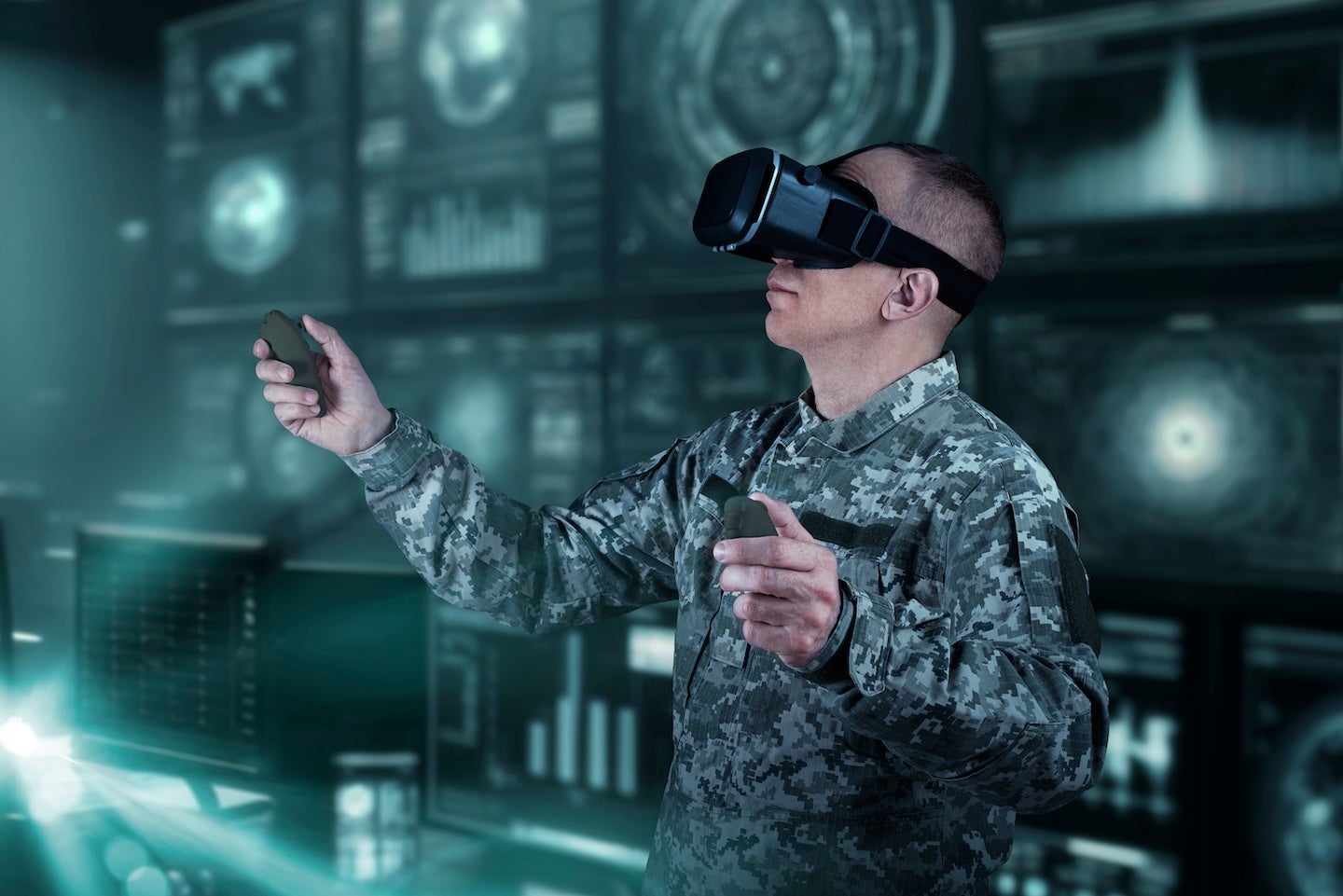
Technical advancements in AI are also notable. Systems are being developed that can learn from battlefield conditions, improve training simulations to better prepare troops, and execute complex tasks with minimal human oversight. The use of autonomous drones for surveillance and combat roles is becoming more prevalent, leading to debates about their reliability and the ethical responsibilities of human operators.
As militaryactors continue to adopt AI technologies, the potential consequences are significant. Nations that lag behind may find themselves at a strategic disadvantage. The future of warfare could see increasingly autonomous systems, prompting a re-evaluation of international laws governing conflict and raising the stakes surrounding military engagement in a world where AI plays a central role.