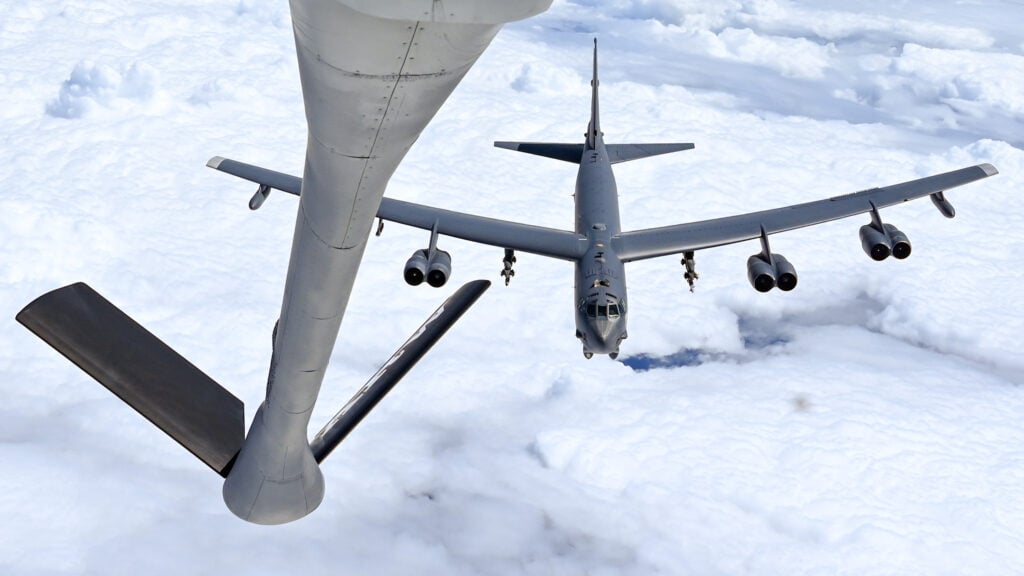
Air Force Considers Retiring B-52s After Fatal Crash
The US Air Force is reevaluating plans for B-52 bombers following a fatal crash that jeopardized radar upgrades. This could impact future operational readiness and budget allocations.
The US Air Force is contemplating the retirement of its B-52 bombers after a tragic crash in California disrupted a crucial radar upgrade program. The incident, which resulted in the loss of the aircraft and its crew, has raised concerns about the airworthiness of the aging fleet and the effectiveness of ongoing modernization efforts.
The B-52 Stratofortress, a strategic bomber in service since the Eisenhower administration, has been undergoing upgrades aimed at enhancing its combat capabilities. Recent modifications included advanced radar systems intended to improve its targeting and situational awareness. However, the unfortunate incident has cast doubt on the viability of these upgrades and may lead the Air Force to explore other aircraft options.
The strategic significance of the B-52 remains high, as it provides long-range strike capabilities within the US nuclear deterrent framework. Any decision to retire these bombers would invariably affect the balance of power and operational flexibility, particularly in the face of growing global threats.
Technical details on the radar upgrade highlight the integration of state-of-the-art technology designed to allow the B-52 to engage modern threats effectively. Estimated costs for this upgrade program have reached approximately $2 billion. The current fleet size stands at 76 operational B-52s, which play a key role in both conventional and nuclear deterrence strategies.
In light of the crash and its implications, the Air Force may need to reassess its modernization strategies and budget allocations for future operations. Moving forward, more emphasis might be placed on the development of next-generation bombers, which could reshape the future of US strategic airpower.