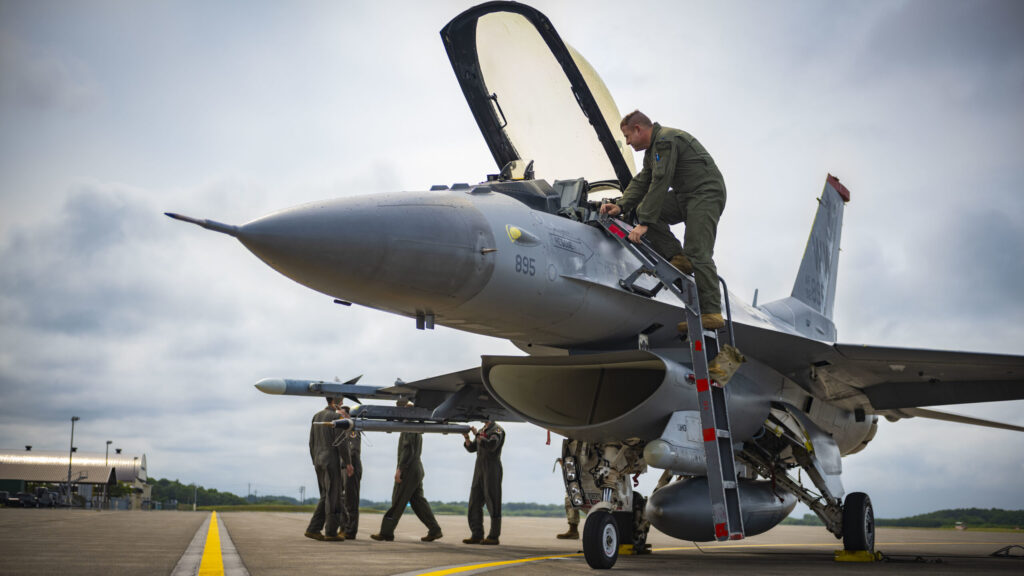
Air Force Freezes F-16 Ejection Seat Competition
The U.S. Air Force's 90-day suspension of the F-16 ejection seat competition raises uncertainties surrounding future procurement. This decision comes despite prior efforts to continue the Next Generation Ejection Seat program, indicating potential shifts in military priorities.
The U.S. Air Force has announced a 90-day suspension of the competition for new ejection seats for the F-16 fighter jet. This moratorium creates significant delays in the procurement process for critical safety equipment, which plays a vital role in pilot survival during emergencies.
Previously, the Air Force aimed to reopen the Next Generation Ejection Seat program, signaling a commitment to upgrading pilot safety. However, the latest announcement raises questions about the future direction of this project and the possible reconsideration of available options for enhancing the F-16's safety features.
Strategically, the decision to suspend the competition may reflect broader budgetary constraints or shifting procurement priorities within the Air Force. Given the increasing complexities of aerial warfare and advanced threats faced by pilots, the delay could influence overall operational readiness and pilot safety.
Details regarding the ejection seat specifications indicate a need for advanced technologies that can withstand the rising demands of high-speed flights and maneuverability. The F-16, particularly relevant in various global theaters, requires state-of-the-art equipment to ensure pilot survival in critical situations.
In conclusion, the suspension of the F-16 ejection seat competition may lead to a prolonged period of uncertainty regarding safety enhancements. Stakeholders in defense procurement will watch closely as this situation unfolds, considering the implications for U.S. Air Force modernization efforts.