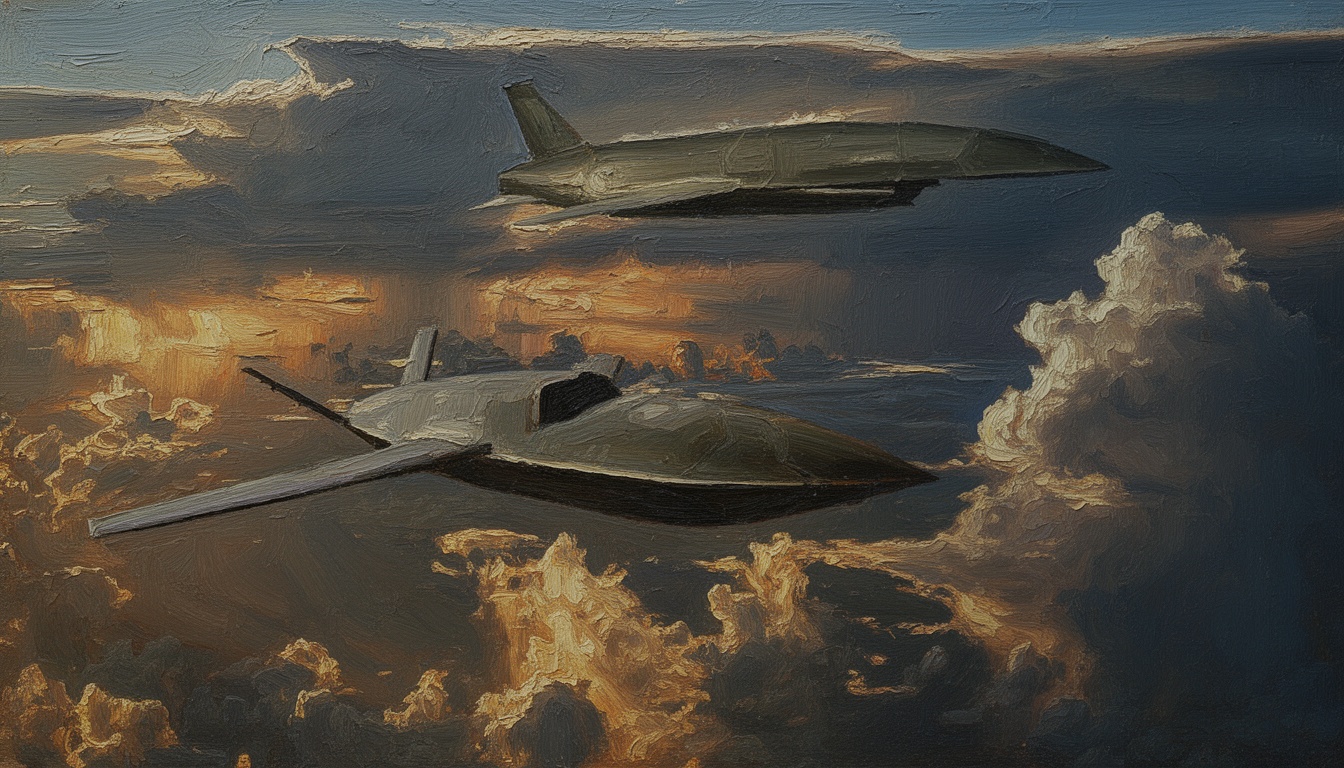
Air Force Selects General Atomics, Anduril for CCA Drone Wingmen
The U.S. Air Force has awarded contracts for the development of collaborative combat aircraft. This involves advanced autonomy systems to enhance combat capabilities.
The United States Air Force has selected General Atomics and Anduril Industries to construct the first unit of Collaborative Combat Aircraft (CCA) drone wingmen. These unmanned systems are designed to assist manned aircraft in combat operations effectively. The contracts underscore the military's commitment to integrating advanced technologies into its operational framework.
The CCA initiative aims to leverage automation and artificial intelligence to enhance the capabilities of traditional air forces. The selected contractors, General Atomics and Anduril, are expected to showcase their expertise in developing cutting-edge military technologies. This project is significant, as it seeks to reconfigure aerial combat by providing tactical advantages through the use of drone wingmen.
The operational significance of the CCA is substantial as it represents a shift toward a more technology-driven approach in modern warfare. The inclusion of autonomous drones alongside manned aircraft can potentially change the dynamics of future combat missions. As militaries globally evaluate the role of drone technology, the successful implementation of the CCA could set a precedent for future drone warfare strategies.
General Atomics is well-known for its expertise in unmanned aerial vehicles, specifically the Predator and Reaper drones. Meanwhile, Anduril is recognized for its innovative approach to military technology. The specific capabilities of these new CCA units are not yet fully disclosed, but expectations are high for enhanced surveillance, reconnaissance, and combat engagement functions.
The development of this drone wingman program may lead to significant advancements in combat efficiency and mission success rates. As the U.S. Air Force continues to invest in this field, military analysts will be closely monitoring the project’s progress and its broader implications for air superiority and strategic operations in the years ahead.