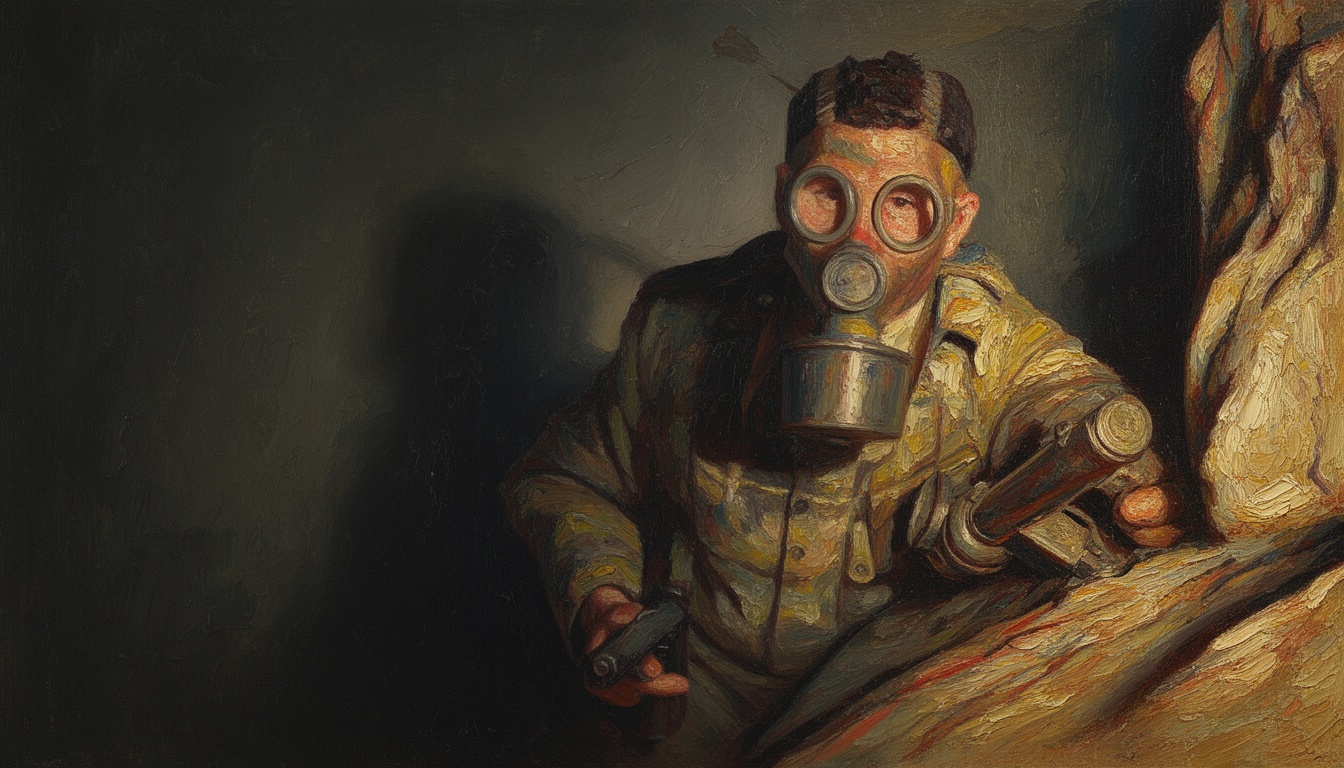
Algeria Exposes France's Use of Chemical Weapons in War
French military's actions during Algeria's war of independence raise global concerns. The use of chemical weapons has significant implications for international law and military ethics.
A recent investigation has revealed that the French army allegedly employed chemical weapons during Algeria's war of independence between 1954 and 1962. Testimonies from former soldiers and confidential documents indicate a systematic use of toxic agents, including nerve agents, against Algerian forces and civilian populations. This revelation sheds new light on the brutal tactics employed by the French military during the conflict.
Historically, the war resulted in significant casualties, leading to Algeria's independence in 1962. However, the allegations regarding the chemical weapons use work to underline a darker facet of this colonial conflict. Reports indicate that thousands of Algerians suffered from chemical exposure, which has raised questions about France's accountability and the long-term health effects on survivors.
The international community has begun to scrutinize these allegations, focusing particularly on the implications for military conduct and international law. The potential use of chemical agents signifies a breach of the Geneva Protocol of 1925, which France is a signatory of. As the examination of these historical events unfolds, it may impact diplomatic relations between Algeria and France, sparking debates on reparations and acknowledgments of past wrongdoings.
Operational specifics reveal that various types of chemical agents might have been deployed, including mustard gas and other toxic compounds. The extent of these operations, as noted in newly released documents, suggests a coordinated strategy that may also have involved the testing of these weapons in rural areas.
Moving forward, this revelation could ignite renewed advocacy for the recognition of victims' suffering and further investigations into the true scope of chemical warfare employed. Increasing pressure on France to confront its colonial past may lead to broader discussions on how historical military actions shape modern international relations.