Anti-Drone Warfare Evolves with New Technologies
Advancements in anti-drone systems are crucial for maritime security. The integration of sensors and effectors is vital to counter Tier 2 OWA drone threats effectively.
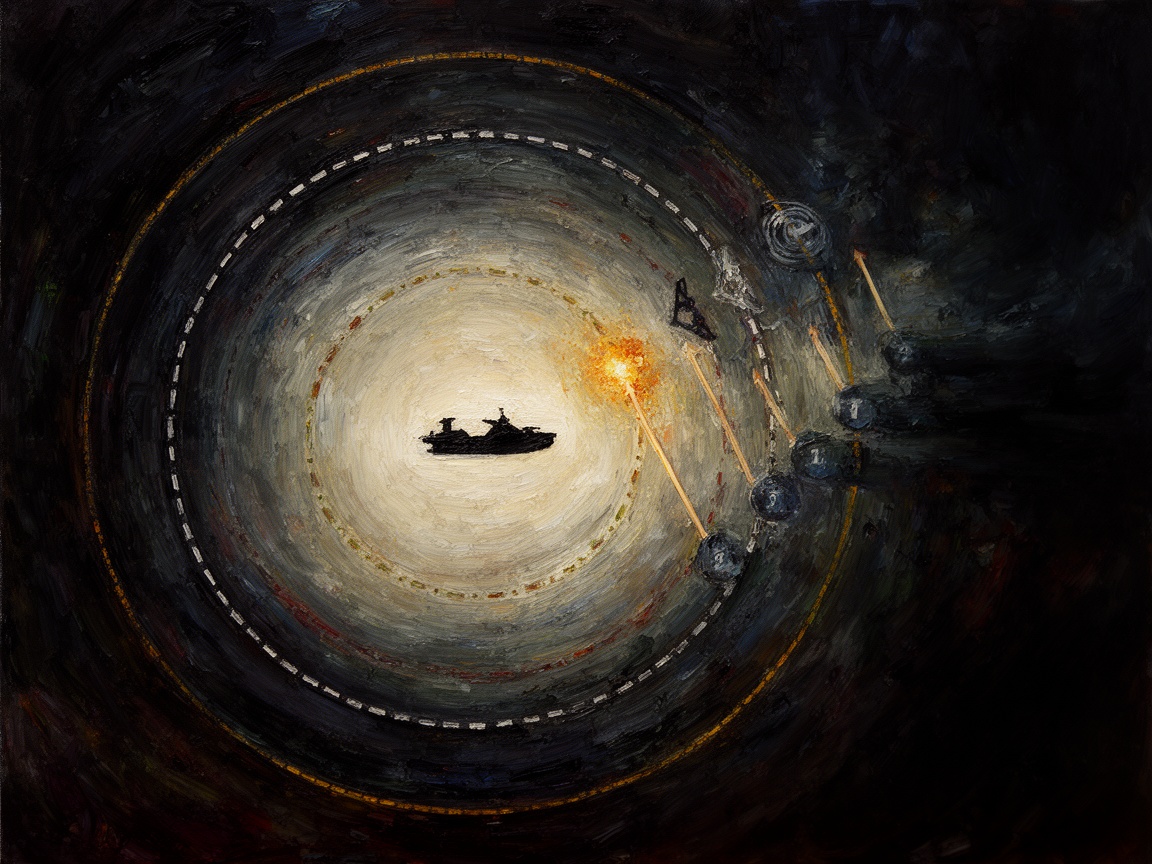
The modern battlefield is increasingly faced with the challenge of drone warfare, particularly in maritime environments. Effective anti-drone warfare requires a complete kill chain that includes detection, identification, tracking, and engagement. This chain must be tailored to address the specific characteristics of Tier 2 OWA drone threats.
To match these drone threats, technology choices are critical. The use of Active Electronically Scanned Array (AESA) radar is emphasized for its superior detection capabilities, capable of identifying drones at various altitudes and speeds. Moreover, advanced electro-optic systems enhance tracking accuracy and provide visual confirmation during engagements, ensuring minimal collateral damage.
Strategically, the integration of these technologies plays a vital role in national maritime security. As nations bolster their naval capabilities, the ability to effectively counter aerial threats through sophisticated sensor and effectors integration will determine the balance of power at sea. Failure to adapt could lead to significant vulnerabilities in naval operations.
Operationally, the development of cost-effective solutions is paramount. This involves not only adopting advanced sensors but also ensuring that the economic aspect of deploying and maintaining such systems is sustainable. The effectiveness of the entire anti-drone kill chain can be undermined if the costs outweigh operational advantages.
In conclusion, as drone threats continue to evolve, so must the maritime defenses. Future investments in anti-drone technologies, particularly those that refine the kill chain process, will be crucial in maintaining naval superiority and safeguarding vital maritime interests.