Apache Crash Near Oman Highlights Drone Threats to Air Combat
The downing of a U.S. Army Apache near Oman signals the evolution of aerial warfare strategies, particularly against emerging drone technologies. Analysts emphasize the need for adaptation in air combat tactics.
On Wednesday, an Apache helicopter from the U.S. Army was reported to have gone down near Oman, raising alarm among military analysts who suggest this incident reflects a significant shift in air combat dynamics. As drone technology advances at a rapid pace, traditional air assets like the Apache are increasingly vulnerable in modern warfare scenarios.
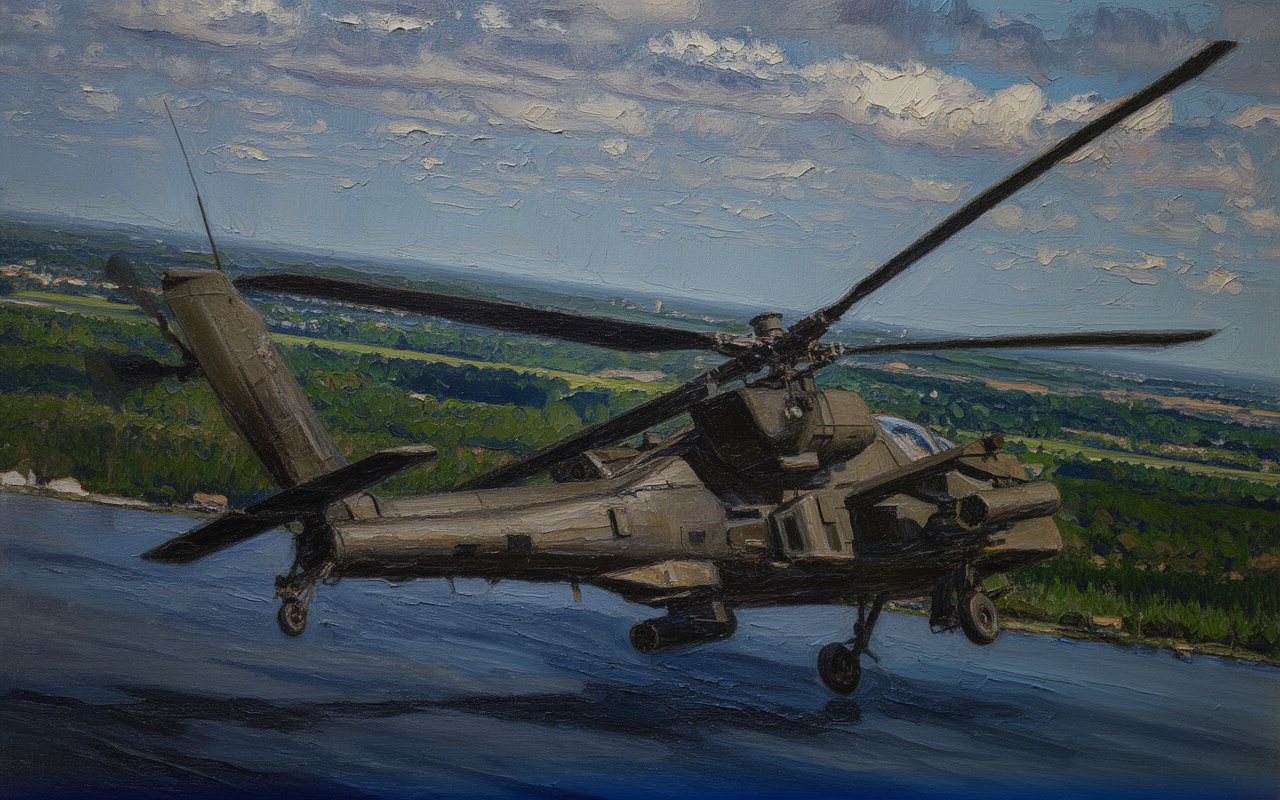
Historically, the Apache Longbow AH-64E has been a stalwart of U.S. aerial dominance, designed for close air support and equipped with advanced targeting systems. However, with the proliferation of low-cost unmanned aerial vehicles (UAVs), including those utilized by non-state actors, the challenge to manned platforms has intensified, compelling militaries to reassess their operational strategies.
The strategic significance of this event is multifaceted. While the Apache's capabilities remain formidable, the ongoing development of drone technology introduces new tactical frameworks that adversaries may exploit. This incident underscores the urgent necessity for air forces to integrate counter-drone measures and enhance survivability for their manned aircraft.
The Apache’s downing near Oman likely resulted from one of these evolving threats, prompting discussions about the need for enhanced electronic warfare systems and tactical adaptations in real-time combat situations. As air combat continues to evolve, the transition towards hybrid warfare necessitates a complete redesign of air power strategy.
In conclusion, the implications of this incident are profound. It signals an urgent call for military planners to adapt to the changing landscape of aerial threats. Future confrontations will likely demand a synergistic approach combining manned air assets with robust drone countermeasures and innovative operational tactics.