Armenian Elections Challenge Prime Minister's Shift from Russia
Armenia's elections on Sunday will assess the country's ties with Russia amid tensions. Prime Minister Nikol Pashinyan seeks to reduce dependency on Moscow.
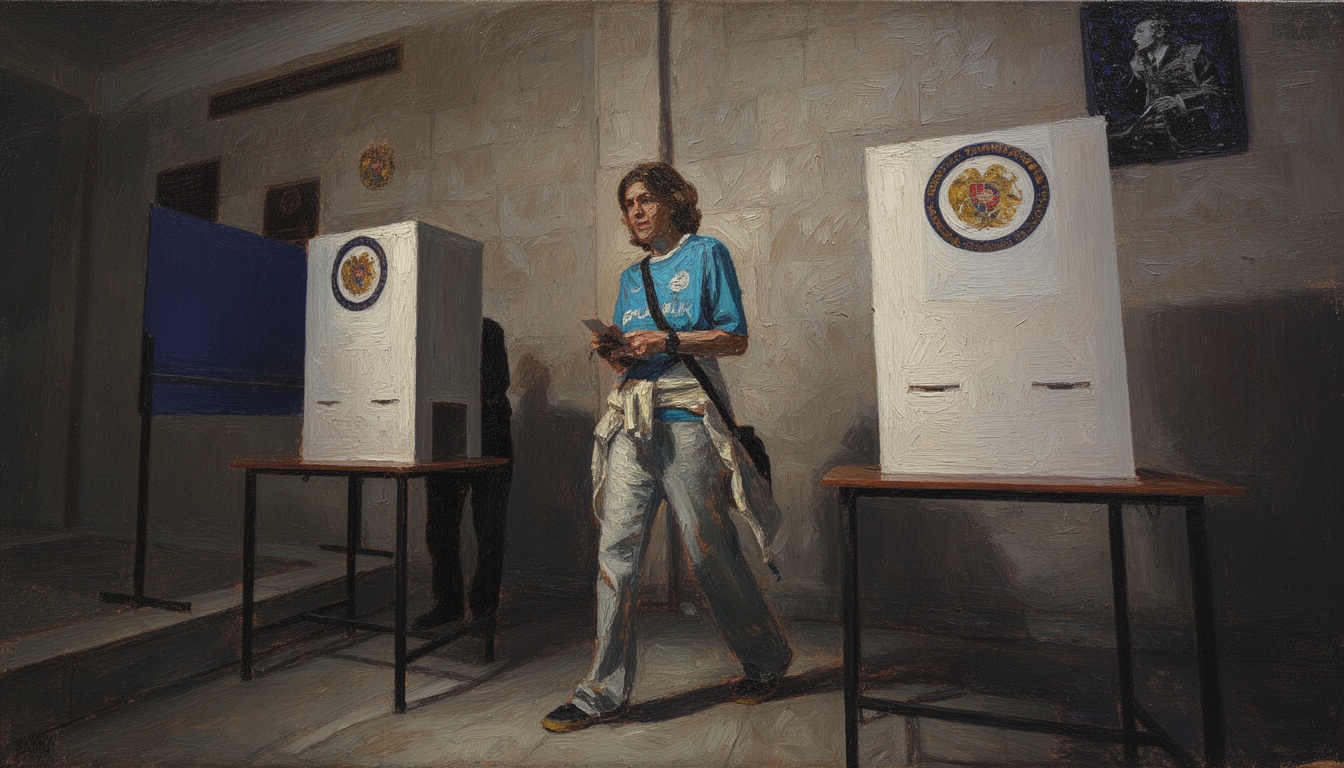
Polls opened in Armenia on Sunday, marking a critical point for the former Soviet republic as it tests its shifting relationship with Russia. Prime Minister Nikol Pashinyan, who has actively sought to diminish Armenia's reliance on Moscow, faces significant scrutiny in this election. The outcome may have lasting implications for Armenia's geopolitical alignment and its aspirations to strengthen ties with the European Union.
The political backdrop features allegations that the Kremlin is attempting to influence the election results, fearing Pashinyan's pivot could undermine Russian dominance in the region. Russia's actions in Ukraine have heightened concerns in Armenia, with many citizens wary of potential paths their government may take that could provoke a similar response from the Kremlin. The political landscape is fraught with tension, as Armenia evaluates its national interests amidst external pressures.
Strategically, Armenia's move towards Europe is perceived as a challenge to Russian hegemony in the South Caucasus. Pashinyan's administration has indicated a desire to align more closely with EU values and institutions, which could recalibrate regional power dynamics. Observers will be watching closely to gauge the impact of this election on future Armenia-Russia relations and broader Western engagement in the region.
In terms of military alliances, Armenia's historical ties with Russia have involved security guarantees and military support. However, discontent with Moscow's approach has surfaced, leading to discussions regarding military partnerships with NATO and EU member states. The outcome of the election could prompt Armenia’s leadership to redefine its defense strategy, aiming for a balance between security needs and newfound ambitions.
In conclusion, this election serves not only as a referendum on Pashinyan's administration but also as a pivotal moment for Armenia's foreign policy direction. Should Pashinyan's coalition remain in power, the strategic orientation towards the West may accelerate, potentially reshaping the geopolitical landscape of the South Caucasus region.