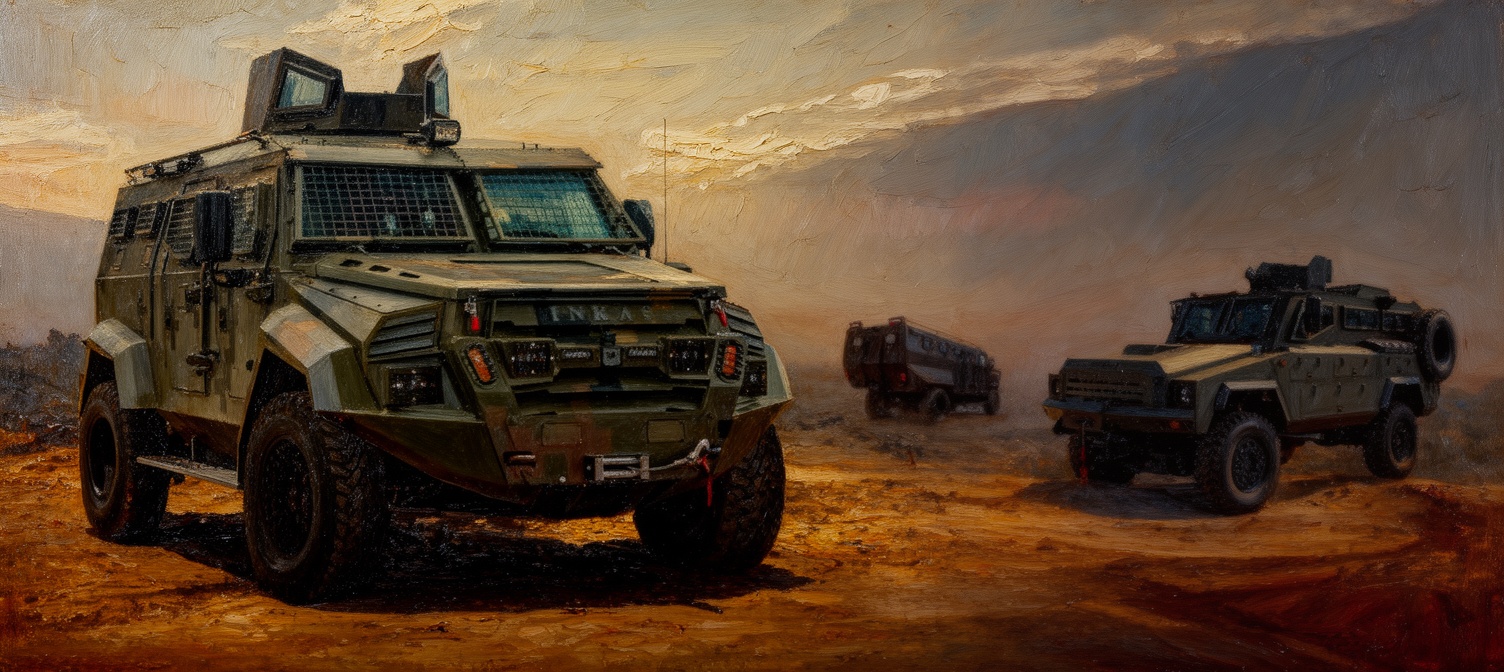
Army Initiates Prototype Phase for Next-Gen Tactical Transport
The US Army has selected three automakers for developing a new heavy infantry squad vehicle, which could influence military transport capabilities globally.
The United States Army has officially begun a competitive prototyping phase for its next-generation tactical transport, awarding contracts to Ford, General Motors Defense, and BC Customs on June 30, 2023. Each manufacturer will contribute to the development of the heavy infantry squad vehicle designed to enhance troop mobility and operational effectiveness in diverse combat scenarios.
This initiative comes as part of the Army's ongoing modernization efforts, focused on boosting the capabilities of ground forces. The selection of these three respected automotive manufacturers reflects a strategic shift towards leveraging commercial technologies to meet military needs. With the increasing complexity of modern warfare, the Army is prioritizing agility and adaptability through this new vehicle.
The heavy infantry squad vehicle aims to provide enhanced transport solutions for infantry units, offering improved protection, mobility, and combat support functionality. Specifications for the vehicle are expected to include advanced armor, off-road capabilities, and integration of cutting-edge technology, which will enhance situational awareness for troops on the field.
The development agreements are structured as fixed-price contracts, incentivizing efficiency and innovation from the selected manufacturers. The Army's investment in these technologies underscores a commitment to ensuring that soldiers are equipped with the best possible tools to secure operational success in future conflicts.
As the prototyping phase unfolds, the expectations are high for the chosen companies to deliver a vehicle that meets the Army's rigorous standards. Success in this endeavor could not only reshape the tactical transport landscape for the U.S. Army but also set a precedent for other nations' defense sectors to follow suit in modernizing their military capabilities.