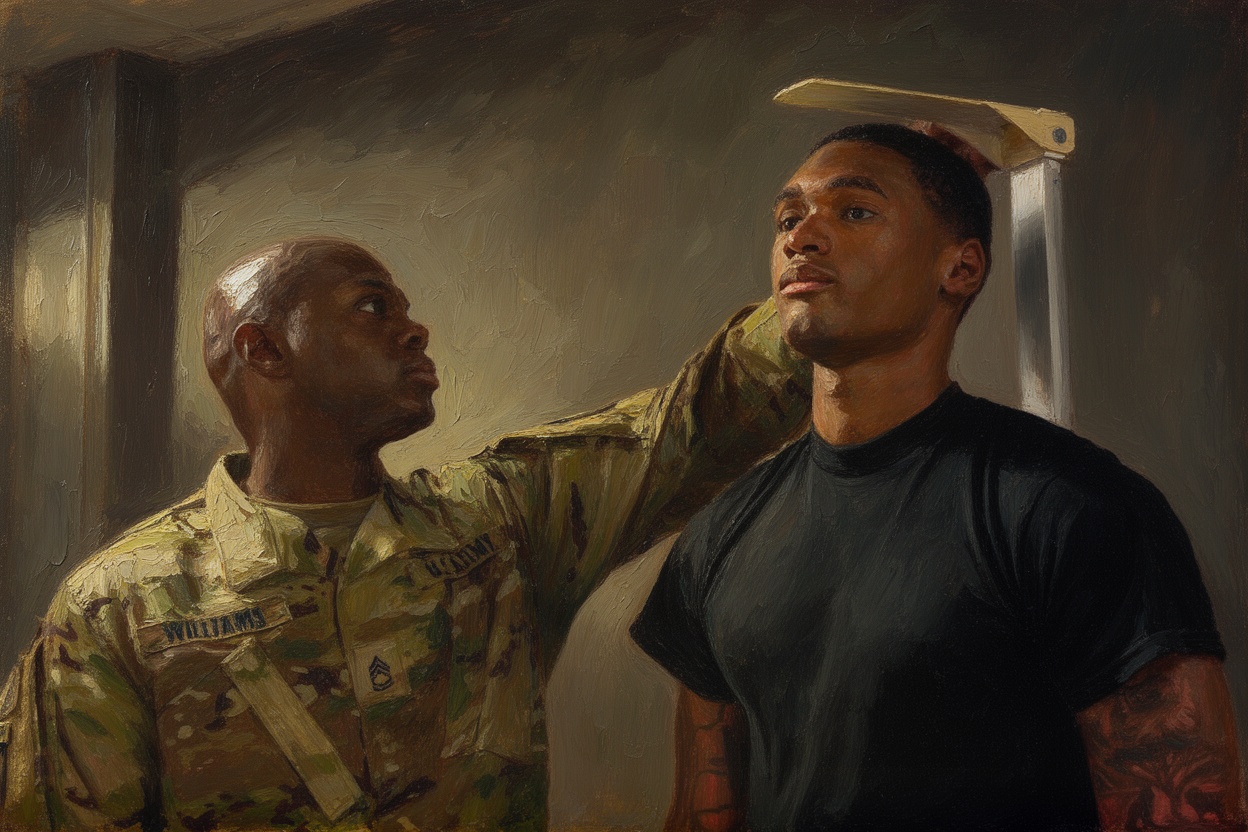
Army Replaces Height-and-Weight Tables with Waist-to-Height Measurement
The decision to scrap traditional height-and-weight tables signals a shift in assessment methods within military fitness standards. This update may influence readiness evaluations across military personnel globally.
On Tuesday, the Army announced a significant change in its approach to physical fitness assessments by discontinuing traditional height-and-weight tables and tape tests. Instead, a semiannual waist-to-height measurement will be implemented. This decision reflects a modern understanding of fitness that focuses more on body composition than simple height and weight metrics.
Historically, military fitness standards have relied heavily on height and weight measurements to determine physical readiness. However, as awareness grows around the limitations of these tables — particularly regarding their inability to account for muscle mass or distribution — this change aims to promote a healthier evaluation process. The new focus on waist-to-height ratios is intended to provide a more accurate indication of a soldier's potential health risks and overall fitness levels.
The strategic significance of this change lies in its potential to improve personnel health and readiness. By utilizing waist-to-height assessments, the Army hopes to better identify individuals at risk of health issues associated with obesity. This proactive measure may enhance operational effectiveness and mission readiness, as physically fit soldiers are essential for achieving military objectives.
Operationally, the waist-to-height assessment offers a more nuanced view of an individual's health profile, enabling better tailored approaches to fitness training and health management. The implications of this shift may encourage other military branches and even allied nations to consider similar changes in their fitness evaluation protocols.
As this new assessment method rolls out, it will be critical to monitor its impact on overall soldier fitness and readiness. The Army's move could reshape military health policies globally and challenge long-standing fitness norms across various armed forces. Continued research and feedback from personnel will guide future adjustments to ensure the efficacy of these new standards.