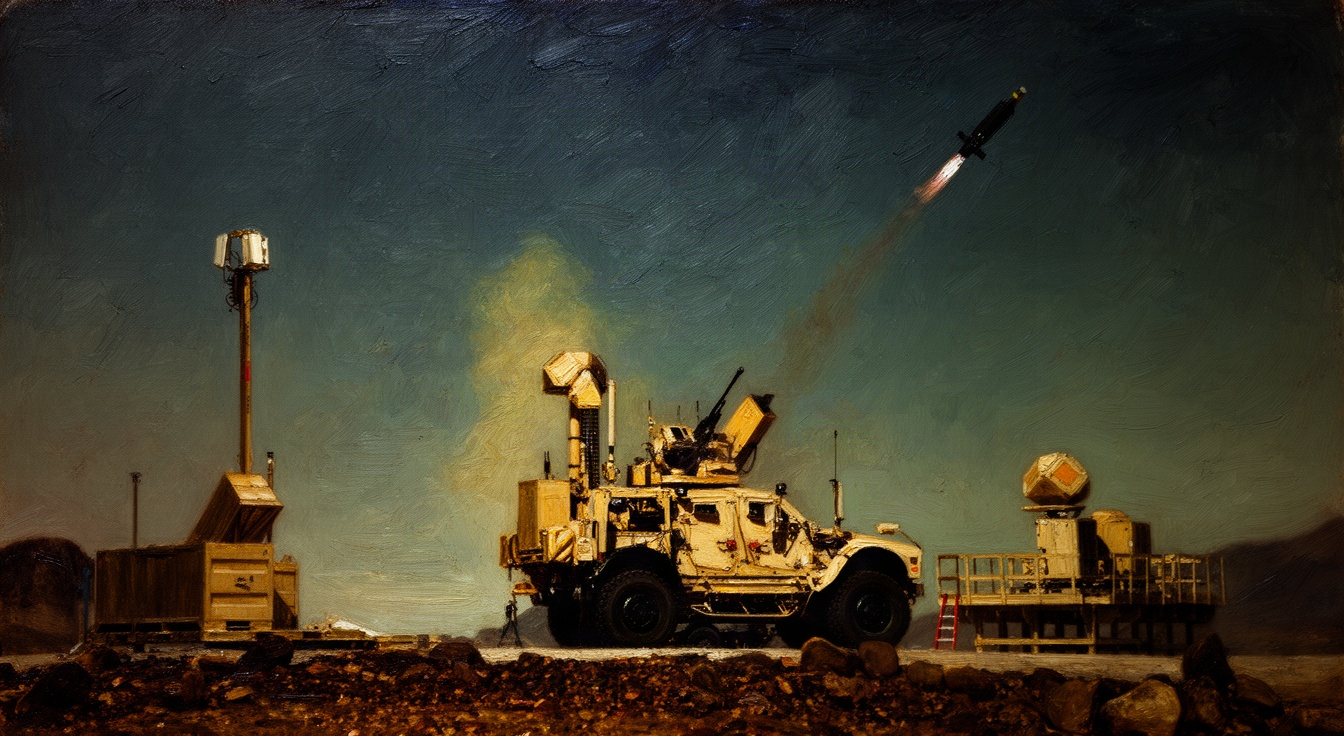
Army Seeks Counter-Drone Missile Under $150K
The U.S. Army is actively searching for a cost-effective counter-drone missile. The solution must integrate with Raytheon’s Coyote launcher to enhance UAV interception capabilities.
The U.S. Army has initiated a search for a new counter-drone missile, specifically priced below $150,000. This development is crucial as military forces worldwide increasingly face threats from unmanned aerial vehicles (UAVs). The missile, referred to as the Next Generation Counter-small Unmanned Aircraft System (C-sUAS) Missile, aims to enhance the Army's capabilities in combating these aerial threats.
Recent conflicts have demonstrated the rising prevalence of drones on the battlefield, necessitating the development of effective interception systems. As global militaries invest in counter-drone technology, the Army’s initiative aims to gain a technological edge. The requirement for this missile reflects an urgent recognition of the need for improved protective measures against UAVs, which are often used for surveillance, reconnaissance, and direct attacks.
Strategically, this missile acquisition is pivotal for the U.S. Army’s modernization efforts. Integrating this new weapon with existing systems, particularly Raytheon’s Coyote launcher, emphasizes the importance of compatibility in efficient military operations. The selection process for the missile will likely prioritize innovative designs that offer improved accuracy and responsiveness against diverse drone threats.
The Next Generation C-sUAS Missile is expected to become a critical asset in the Army's arsenal, designed to rapidly respond to the evolving threats posed by drone technologies. By maintaining a target price under $150,000, the Army aims for a more accessible option that can be rapidly produced and deployed across various combat scenarios.
As the operational environment evolves, the acquisition of this counter-drone missile is anticipated to enhance the Army’s deterrence capabilities. Should successful candidates emerge from the Request for Information (RFI) process, fielding of this missile could begin as early as within the next few years, ensuring the Army remains prepared against emerging UAV threats.