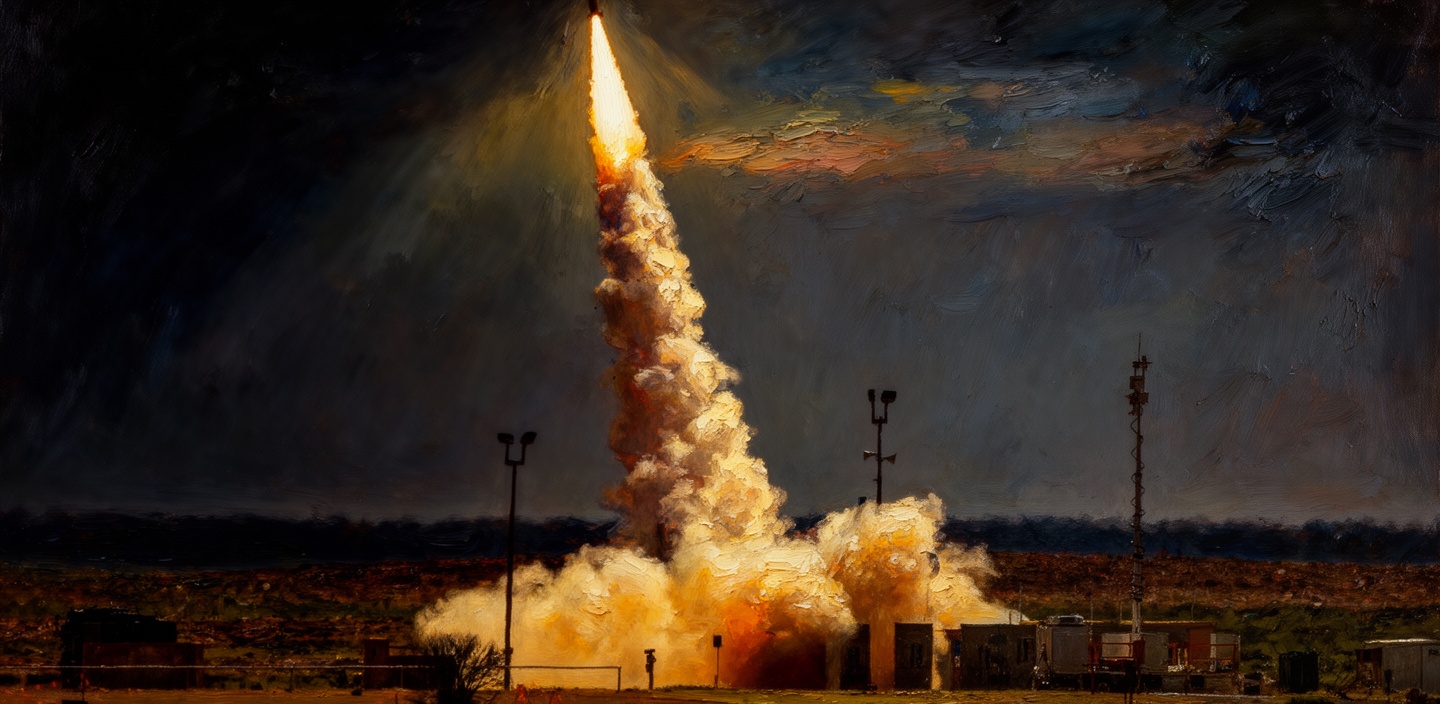
Asian Allies Ramp Up Missile Production Amid US Stockpile Decline
Asian countries are increasing missile production capabilities in response to dwindling US stockpiles, impacting regional security dynamics. This surge in military capabilities poses strategic implications for global defense.
Asian nations, including South Korea and Japan, are significantly expanding their missile production as US military stockpiles shrink. This development has been driven by the need for greater self-reliance in defense amid rising tensions with North Korea and regional security concerns involving China.
Historically, these countries have relied heavily on US military support, particularly for advanced missile defense systems. However, the ongoing depletion of US munitions, highlighted during the Ukraine conflict, has prompted Asian allies to reassess their defense postures and increase their domestic production capabilities.
Strategically, this shift could alter the balance of power in the region, enhancing the deterrence capabilities of US allies in East Asia. Analysts suggest that by expanding their missile capabilities, countries like South Korea and Japan aim not only to bolster their defense but also to send a clear message to adversaries about their readiness to respond to threats.
Reports indicate that South Korea's missile program has accelerated, with plans to increase the production of the Hyunmoo ballistic missile system and enhance its naval capabilities via new destroyers equipped with advanced anti-air systems. Japan is also increasing its military budget, aiming to strengthen Aegis missile defense systems and potentially acquire longer-range strike capabilities like the Type 12 missile.
The increasing production of missiles underscores a significant shift in defense strategy among Asian allies. As these nations strive for greater operational independence, the US may need to adjust its strategy in the Indo-Pacific to mitigate emerging threats from a more militarized regional landscape.