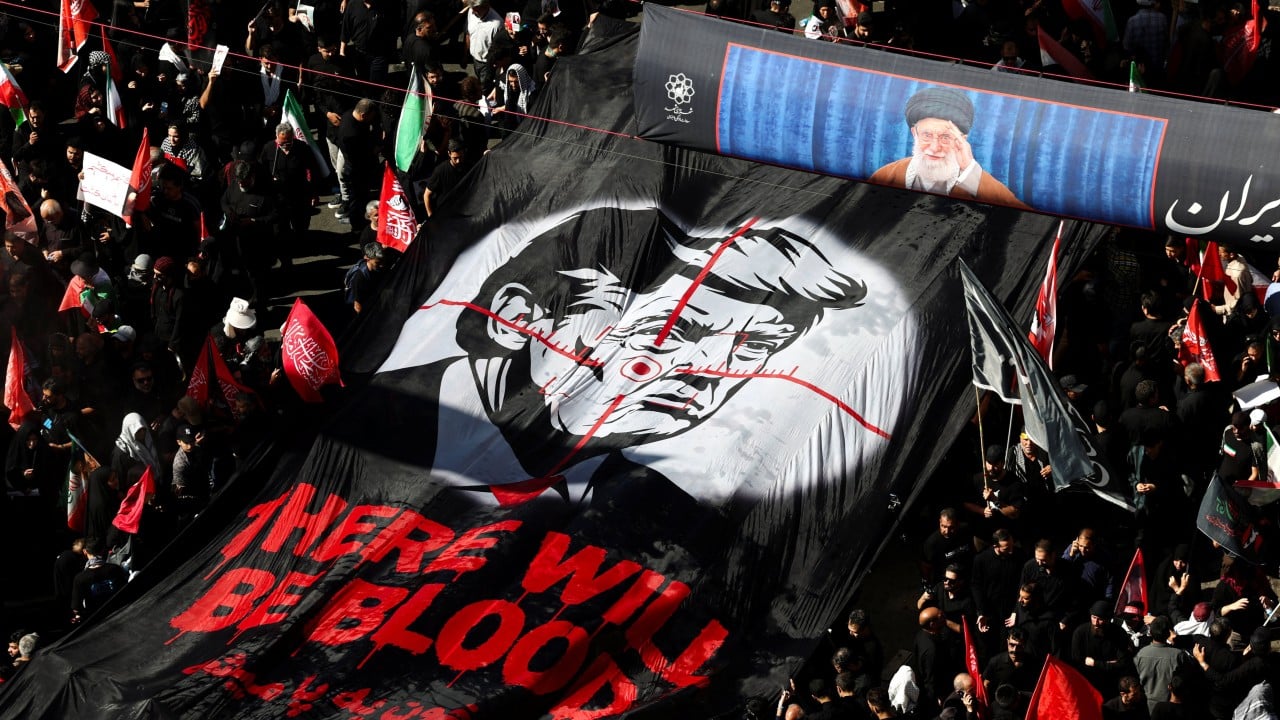
Assassinations Targeting Trump Highlight Iran's War Strategies
The increasing Iranian threats against US President Donald Trump reveal significant regional tensions. Intelligence suggests ongoing plots against Trump, signaling a critical security issue.
Recent intelligence indicates that Iranian operatives may be planning new assassination attempts targeting US President Donald Trump. Israeli officials reportedly shared these findings with Trump's team shortly before he ended a ceasefire with Iran. This serves as a stark reminder of the long-standing threats posed by Tehran, especially as tensions escalated with the onset of the recent conflict.
The background of these threats dates back six years, coinciding with the initial stages of conflict in Iraq. Iranian intelligence has reportedly kept a close eye on Trump's actions, considering him a prime target due to his hardline stance against the Iranian regime. Law enforcement and intelligence communities in the US have observed a disturbing trend of increased threats as the regional situation deteriorated.
The strategic implications of these assassination threats are alarming. They emphasize Iran's willingness to escalate violence as part of its broader strategy to undermine US influence in the region. This also illustrates Iran's ongoing commitment to retaliate against perceived enemies, potentially complicating diplomatic efforts and heightening global security concerns.
Operational details reveal that Iranian military units have enhanced their capabilities to conduct covert operations. This may include employing advanced technologies and networks to gather intelligence on Trump and other high-profile American officials. The dynamics following the end of the ceasefire might trigger further escalations, given the sensitivity surrounding these assassination plots.
In conclusion, these developments could lead to severe consequences for US-Iran relations. Should attempts on Trump's life materialize, it would likely provoke a significant military response from the United States, escalating the ongoing conflict further and destabilizing the region more profoundly.